


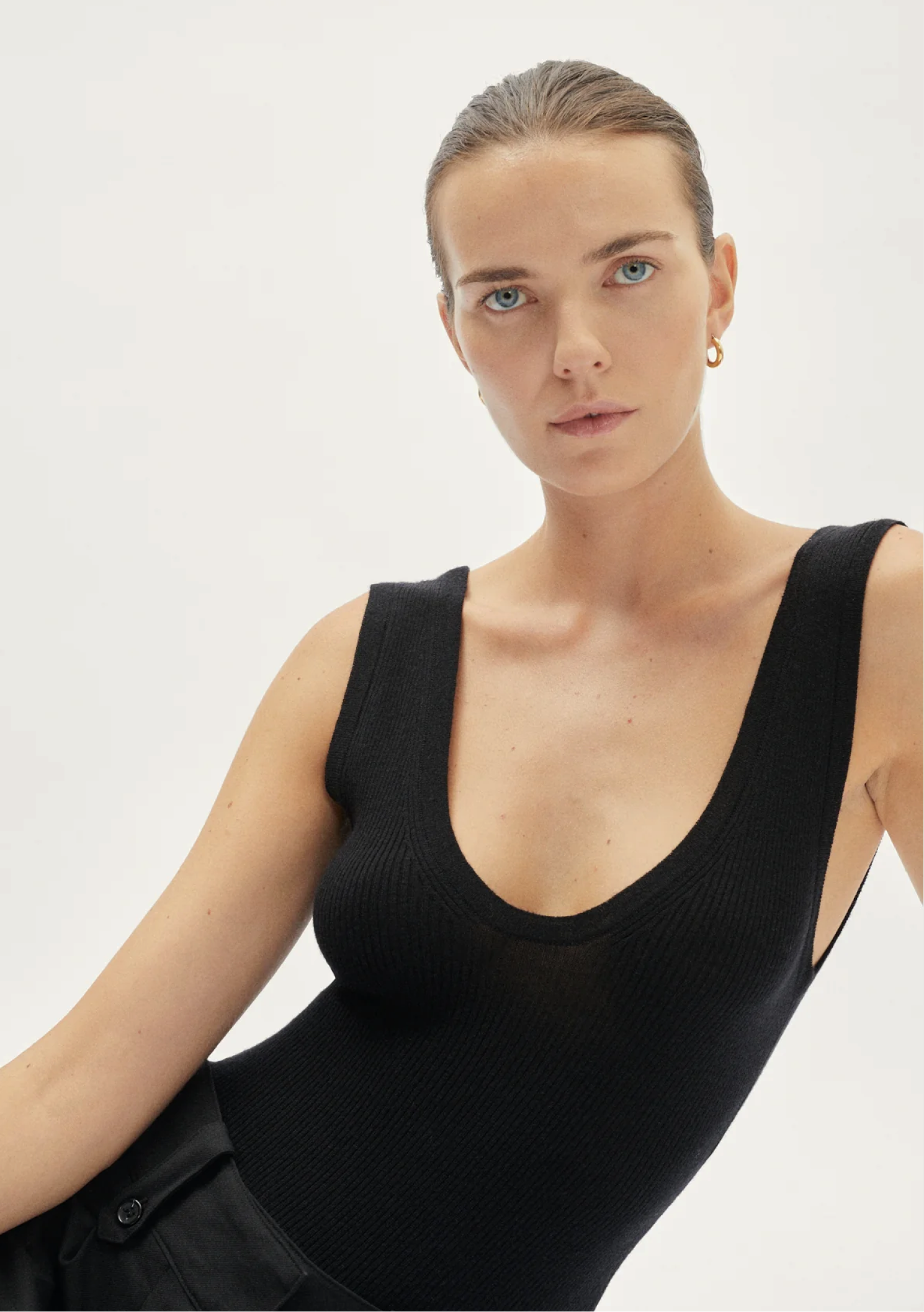
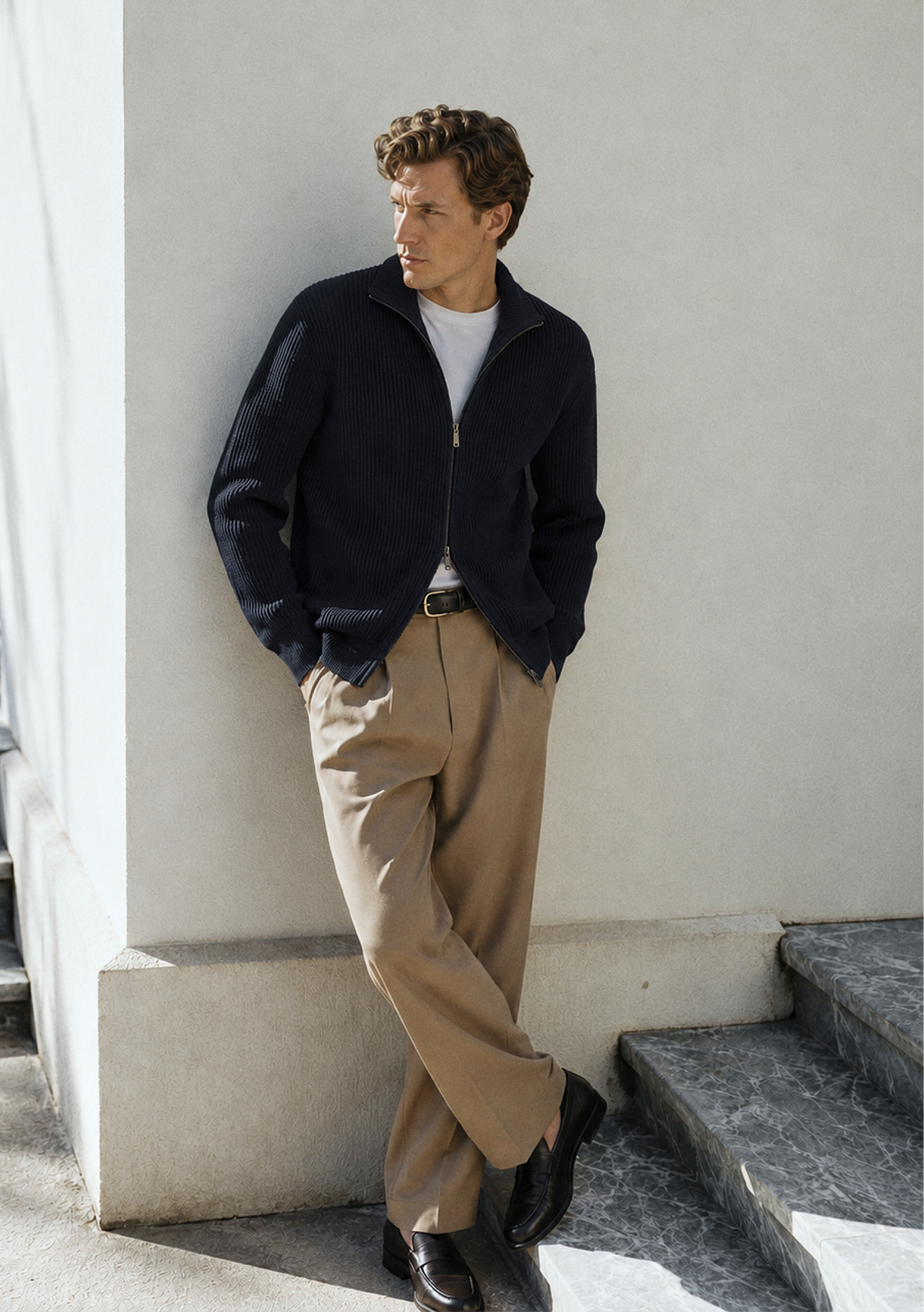
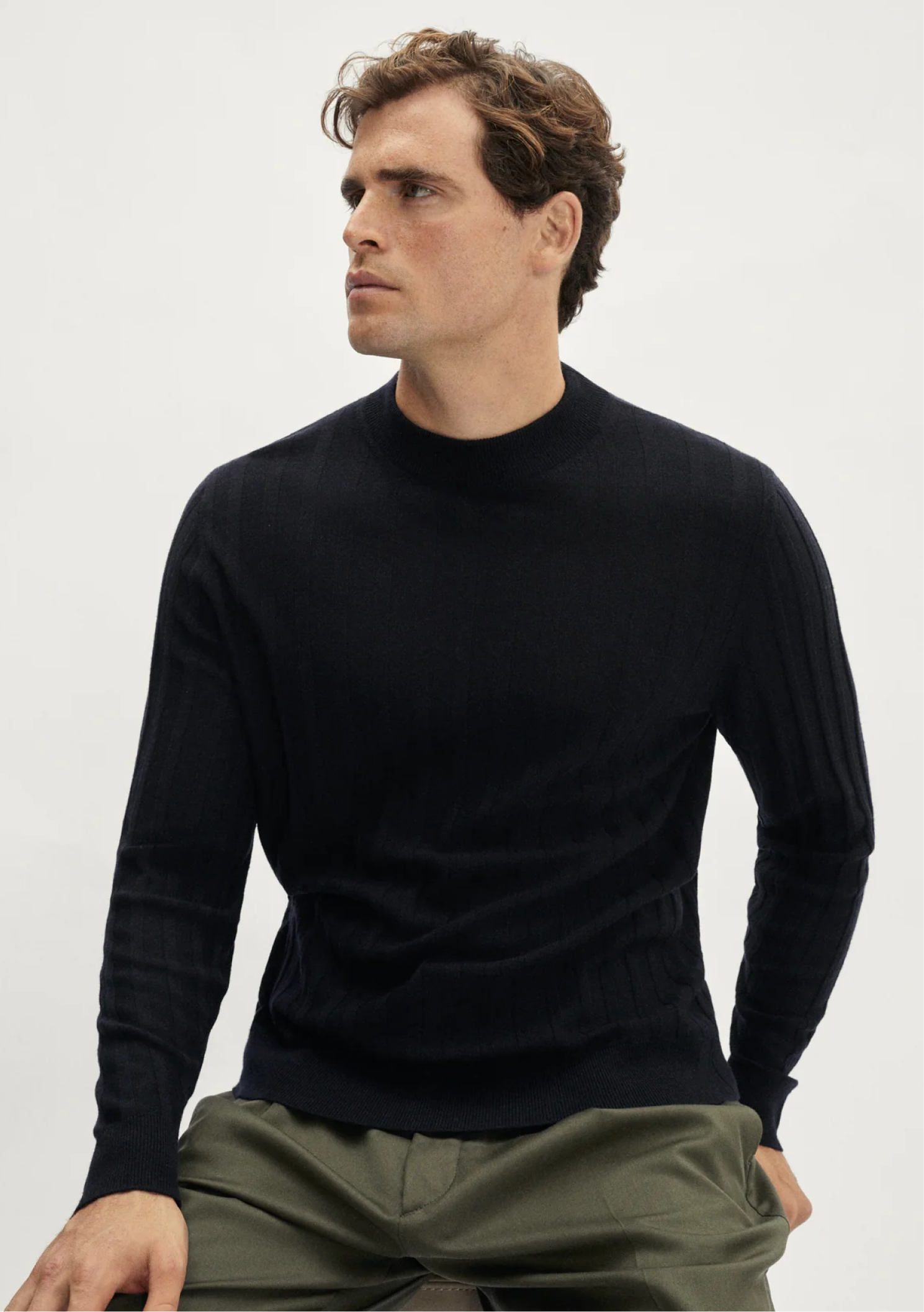

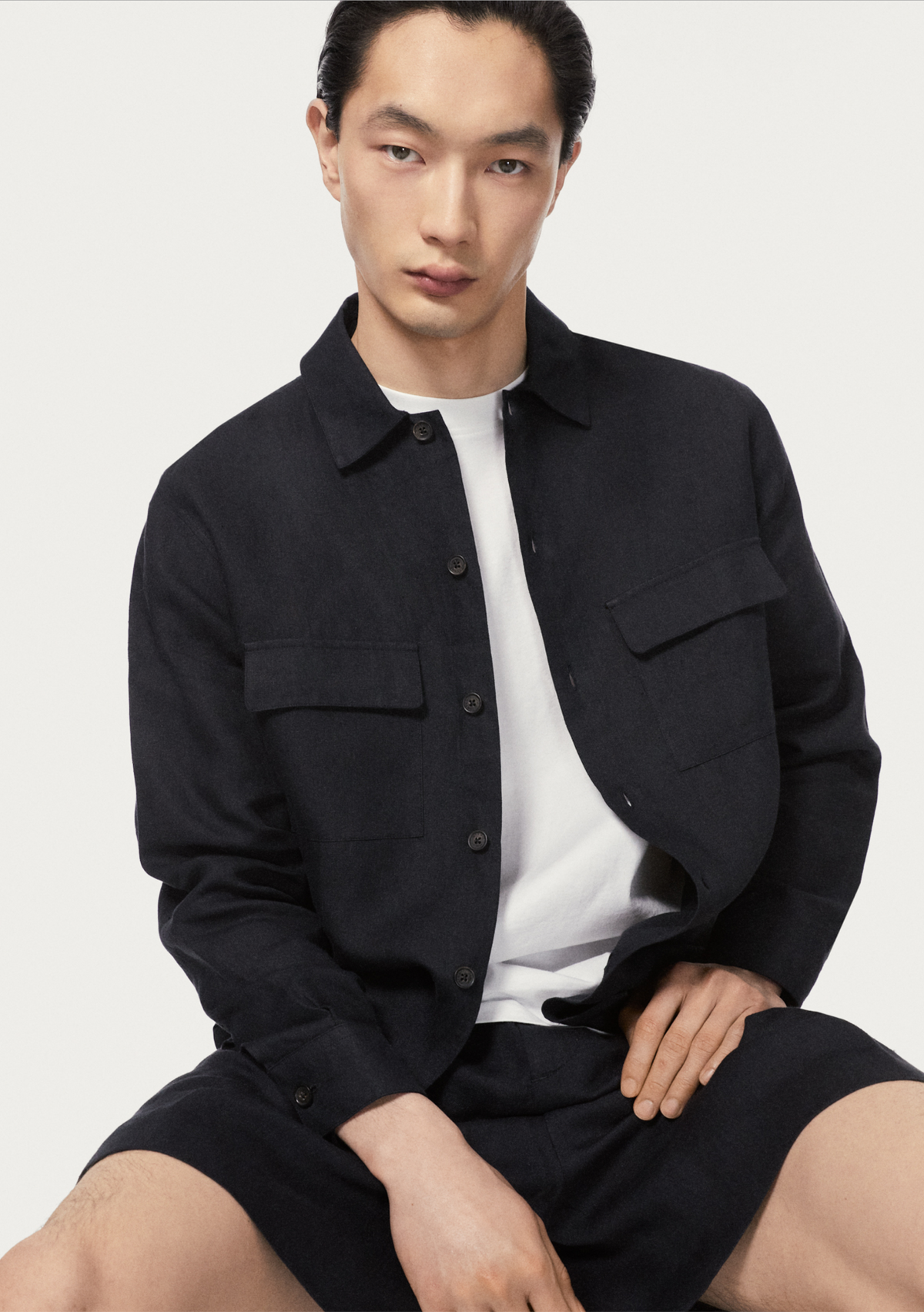
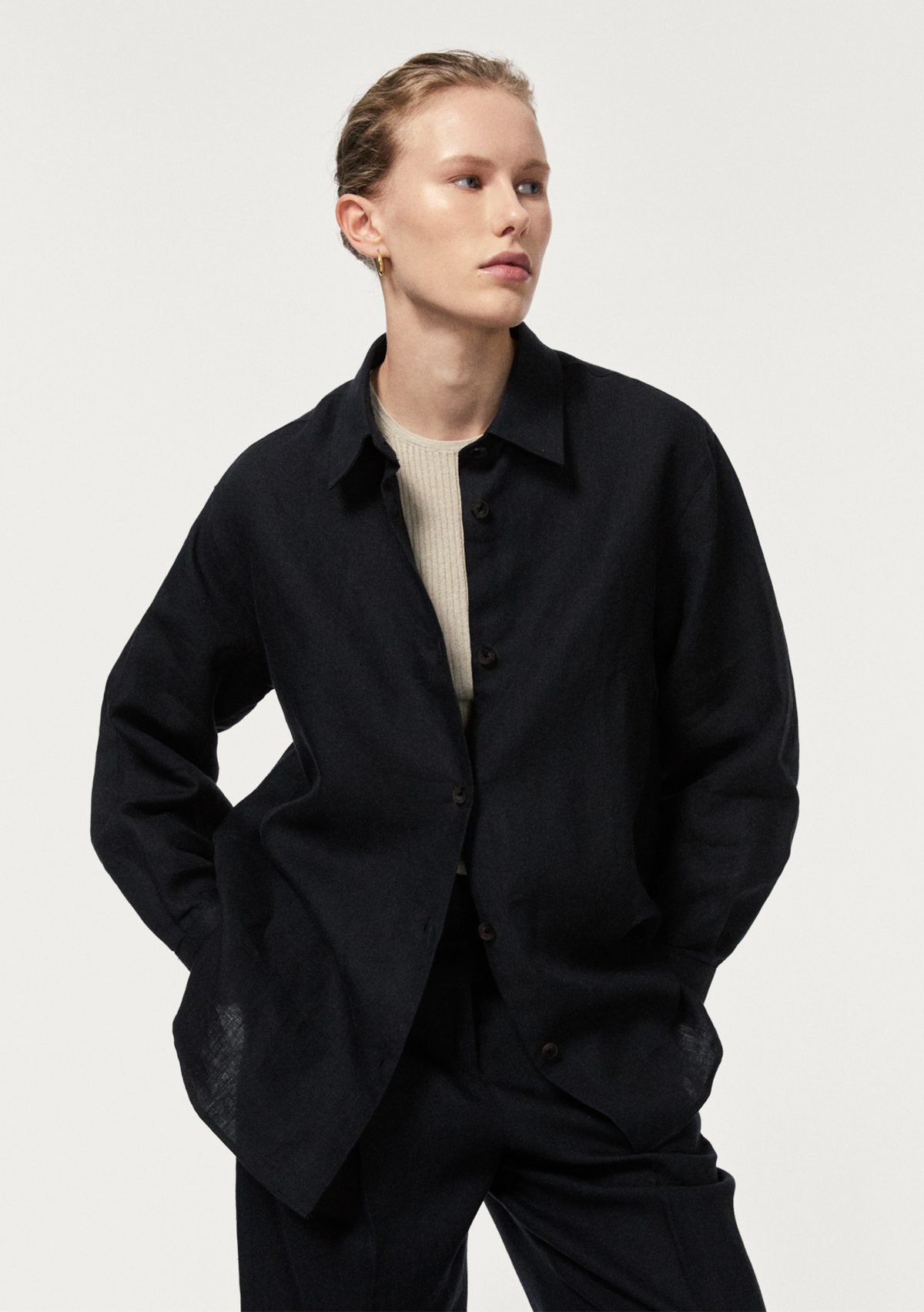

A sweater thrown over the shoulders after a morning swim. A polo shirt worn without overthinking it, between a lunch on the terrace and an aperitivo that stretches on until sunset. A knit T-shirt that carries you through an entire day. Garments born to follow the slow rhythm of summer, when getting dressed means choosing simplicity and ease.
Today, this same idea takes shape through a new interpretation of summer knitwear: lightweight pieces crafted in natural fibres such as linen, organic cotton
and ultra-fine wool, chosen for their ability to accompany the body naturally even in the warmest months. Summer knitwear is not simply a matter of lightness,
but of balance between comfort, breathability and construction.
Before becoming a symbol of the Riviera and the Italian summer, lightweight knitwear was born from a small act of rebellion.
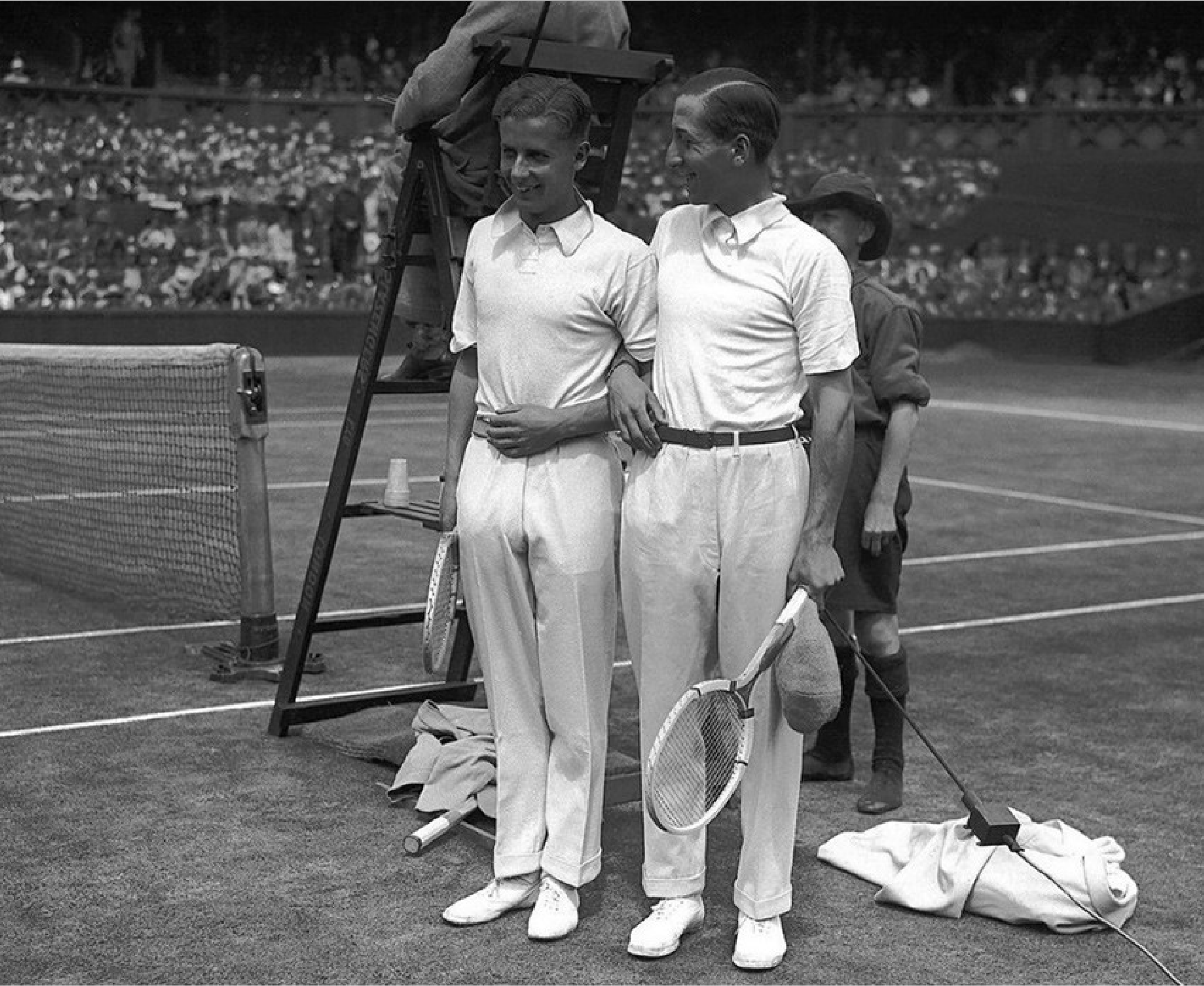
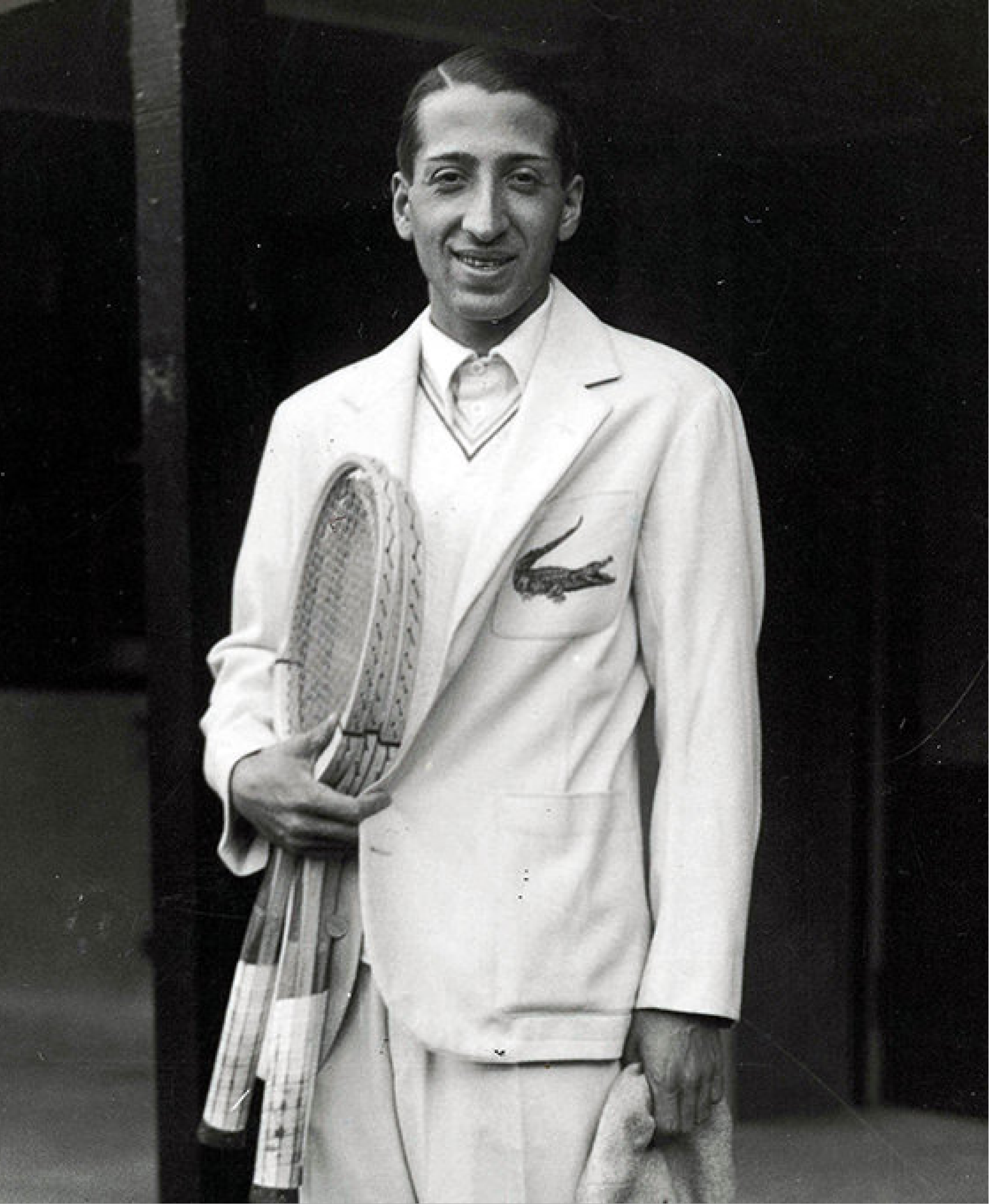
In European tennis clubs of the 1920s, sporting elegance still followed precise rules: stiff shirts, closed collars, heavy fabrics ill-suited to movement. It is in this context that a young champion — René Lacoste, world number one at the time and future legend of the French courts — decides to change perspective and replace the traditional uniform with something entirely new: a softer, shorter, freer knit.
The idea, it seems, came to him while watching a friend, the Marquess of Cholmondeley, wear a polo shirt at the edge of the court — a garment designed for anything but tennis: "a practical idea," Lacoste thought. And he decided to have a few bespoke versions made.
The court is bathed in afternoon sun, the spectators' chairs are lined up along the edges of the red clay, the other players are wearing formal uniforms.
uddenly a new silhouette appears — more essential, closer to the body, better suited to movement.
In a few moments, something changes: elegance ceases to be synonymous with rigidity.
The idea is born that a garment can be refined precisely because it leaves room for freedom. That one can be impeccable without appearing contrived.
It is the same principle that still guides the construction of contemporary summer knitwear today: creating pieces capable of following movement, with constructions that enhance the natural elasticity of the knit and fibres selected to offer comfort against the skin.
From then on, sports journalists began calling Lacoste "the Crocodile," for the tenacity with which he never let go of a match.
A nickname that he himself, with a touch of irony, would choose to embroider on every polo shirt to come.
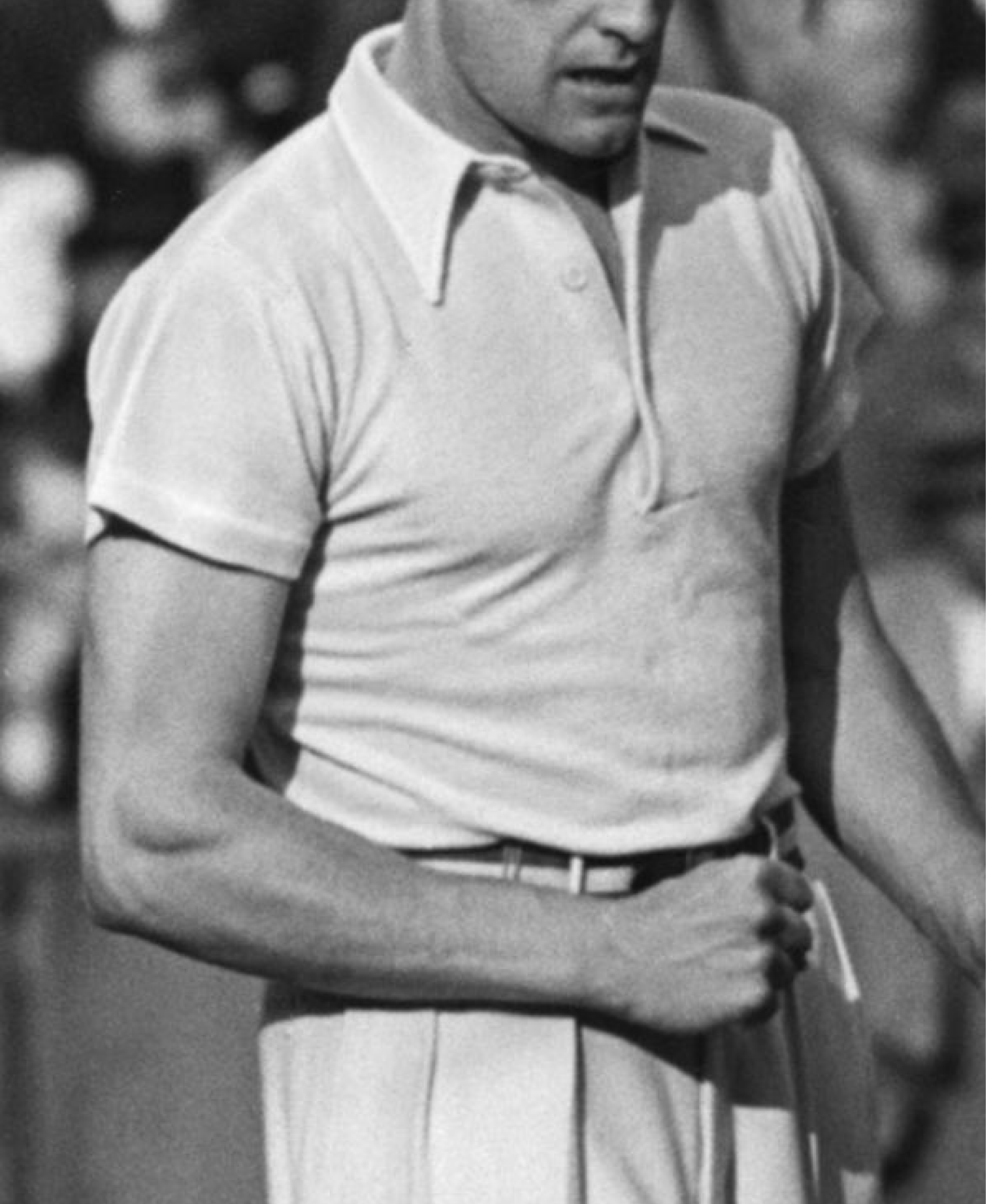
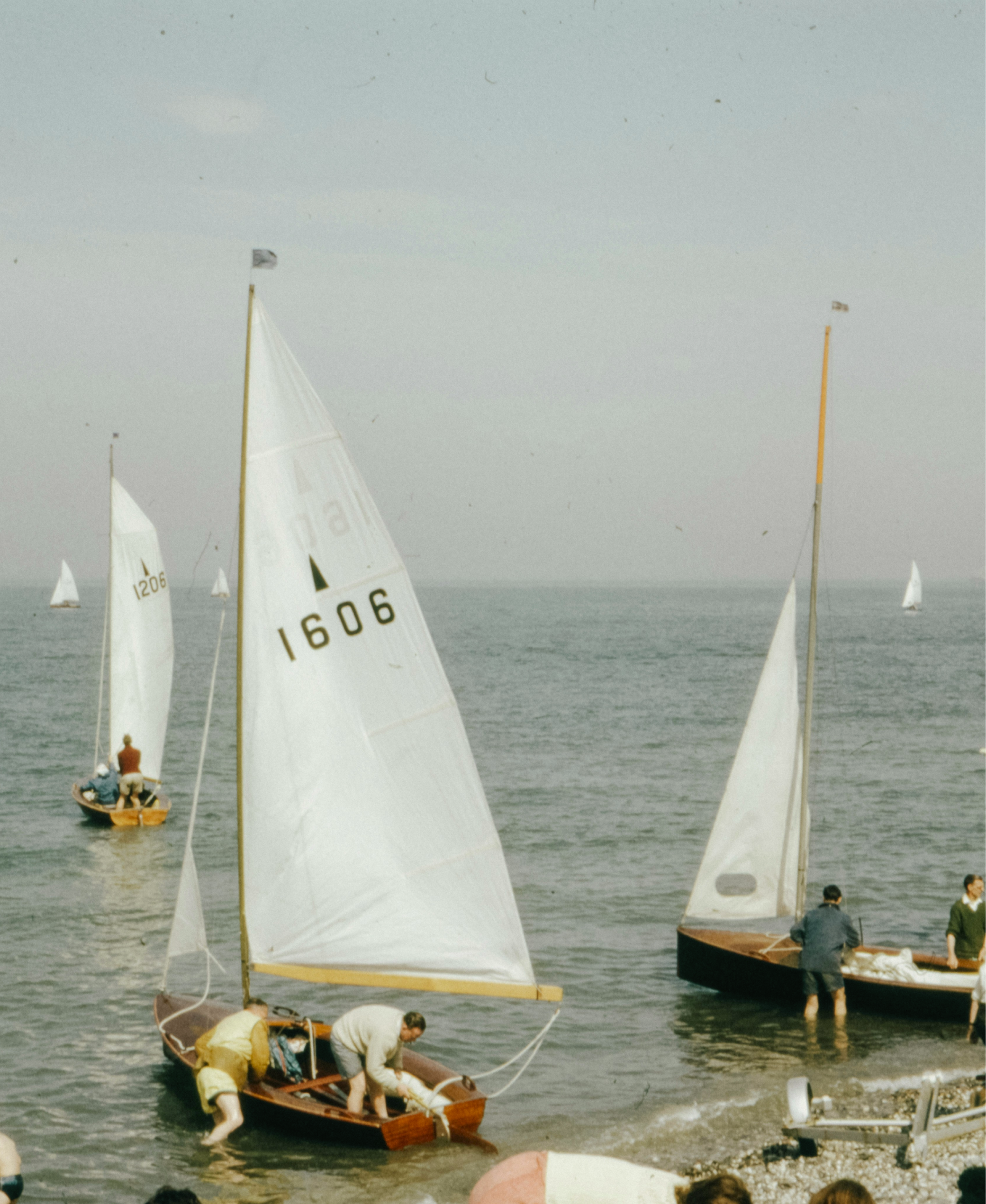
Italian Riviera, late 1950s.
The sound of boats slowly returning to port. The sun illuminating facades of peach and ochre. White tablecloths on terraces, glasses left on tables after an aperitivo, the shadow of awnings moving in the afternoon breeze. A suspended summer, made of slow days and evenings that seem never to end.
The Lucchese knitwear designer Giancarlo Venturini interprets the spirit of the time through a new idea of clothing: coordinated, lightweight and relaxed pieces, designed to accompany different moments of the day. His intuition is simple, but it changes the way one looks at knitwear: no longer merely a functional garment, but an element capable of conveying an attitude. A way of dressing and, above all, a way of being in the world.
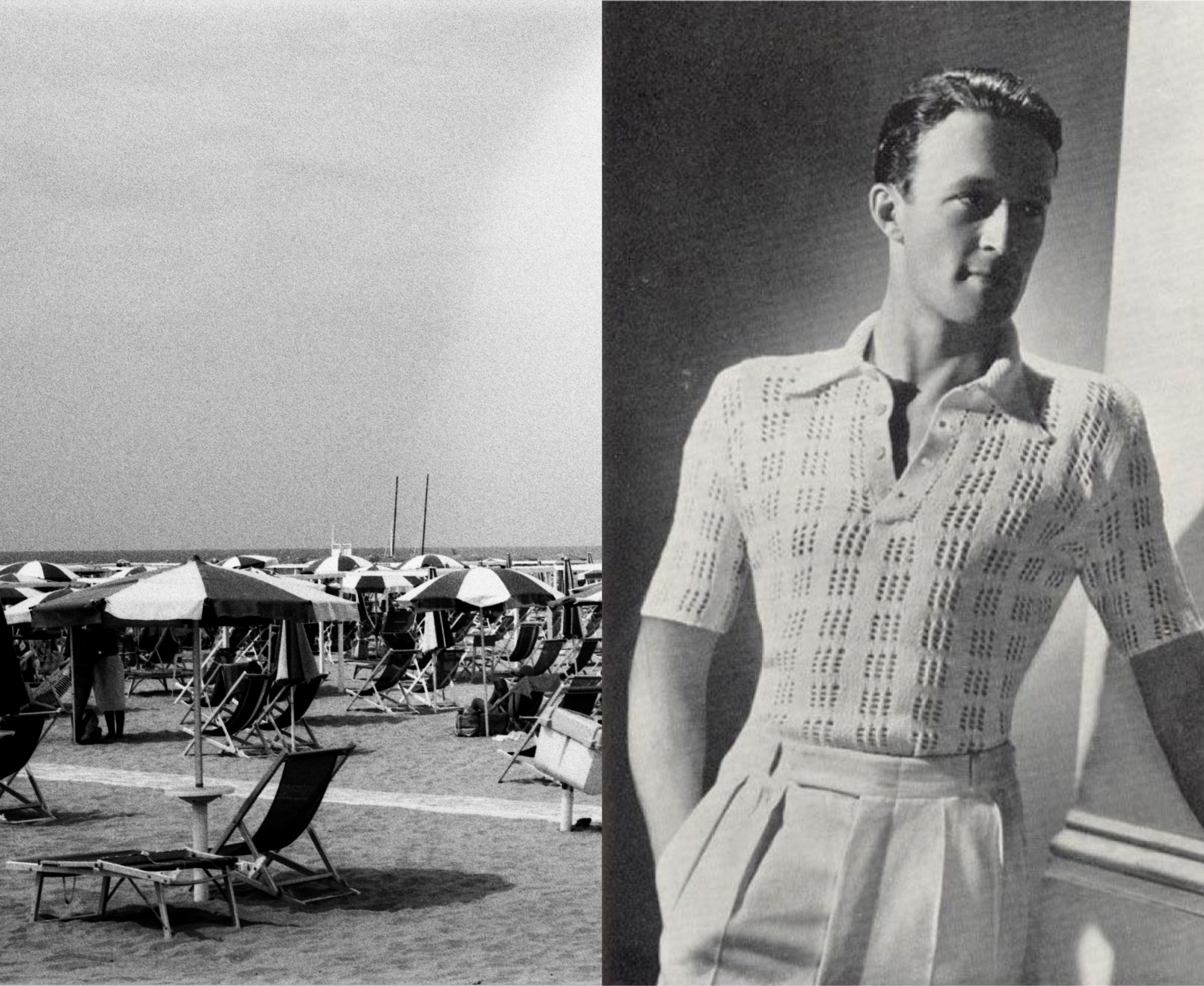
The research into summer knitwear stems precisely from this capacity of knitting to transform natural materials into garments with a precise identity: a polo can have a more defined structure, a T-shirt a soft and light hand, a knit shirt a more fluid and relaxed presence. Every stitch and every fibre contribute to creating a different balance between form and comfort.
This was not an isolated episode. In the years that followed, Venturini continued to explore new languages of knitwear. In 1960 he founded "Maria," a brand dedicated to hand rather than machine knitting, with intarsia in unusual colours and embroideries that became his signature. A journey that in 1967 was recognised internationally with the Neiman Marcus Fashion Award, one of the most prestigious prizes in American fashion of the time, awarded that year, for the first time, exclusively to Italian designers: alongside him, names such as Valentino and Fiamma Ferragamo. Proof that the intuition born on an Italian coastline was not an isolated flash, but the beginning of a true school of style.
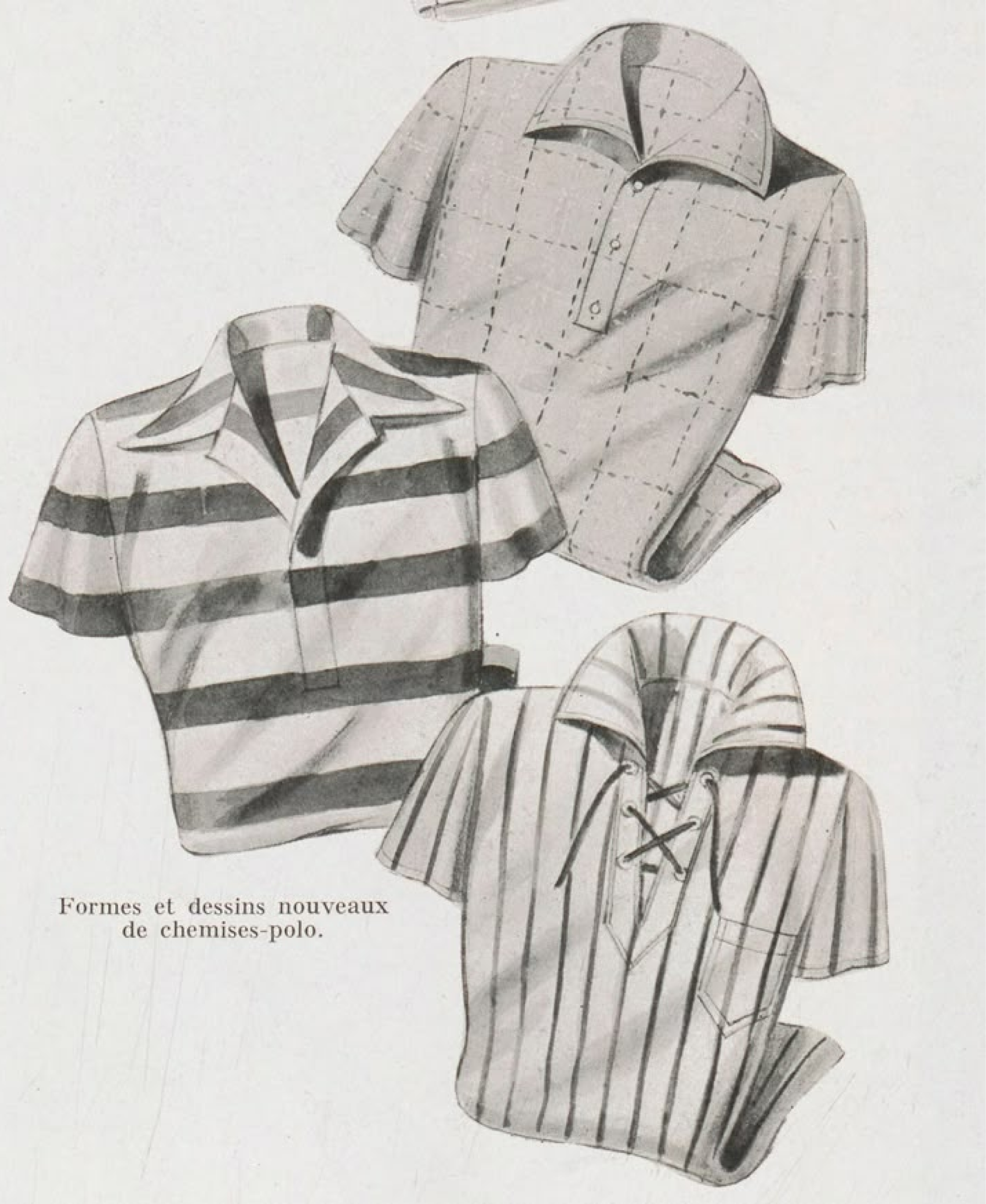
From that moment on, summer knitwear enters the collective imagination as the symbol of a new rhythm of life.
Knit polos, lightweight T-shirts and pieces with essential lines accompany days without precise boundaries: morning by the sea, afternoon in the city, an impromptu dinner when the sun has already set. These are garments that follow the day as it unfolds.
The versatility of summer knitwear also stems from the choice of materials: fibres such as linen and organic cotton make it possible to achieve lightweight, breathable surfaces that are pleasant against the skin, while different constructions — from jersey to more textural workings — define garments suited to different moments of the day.
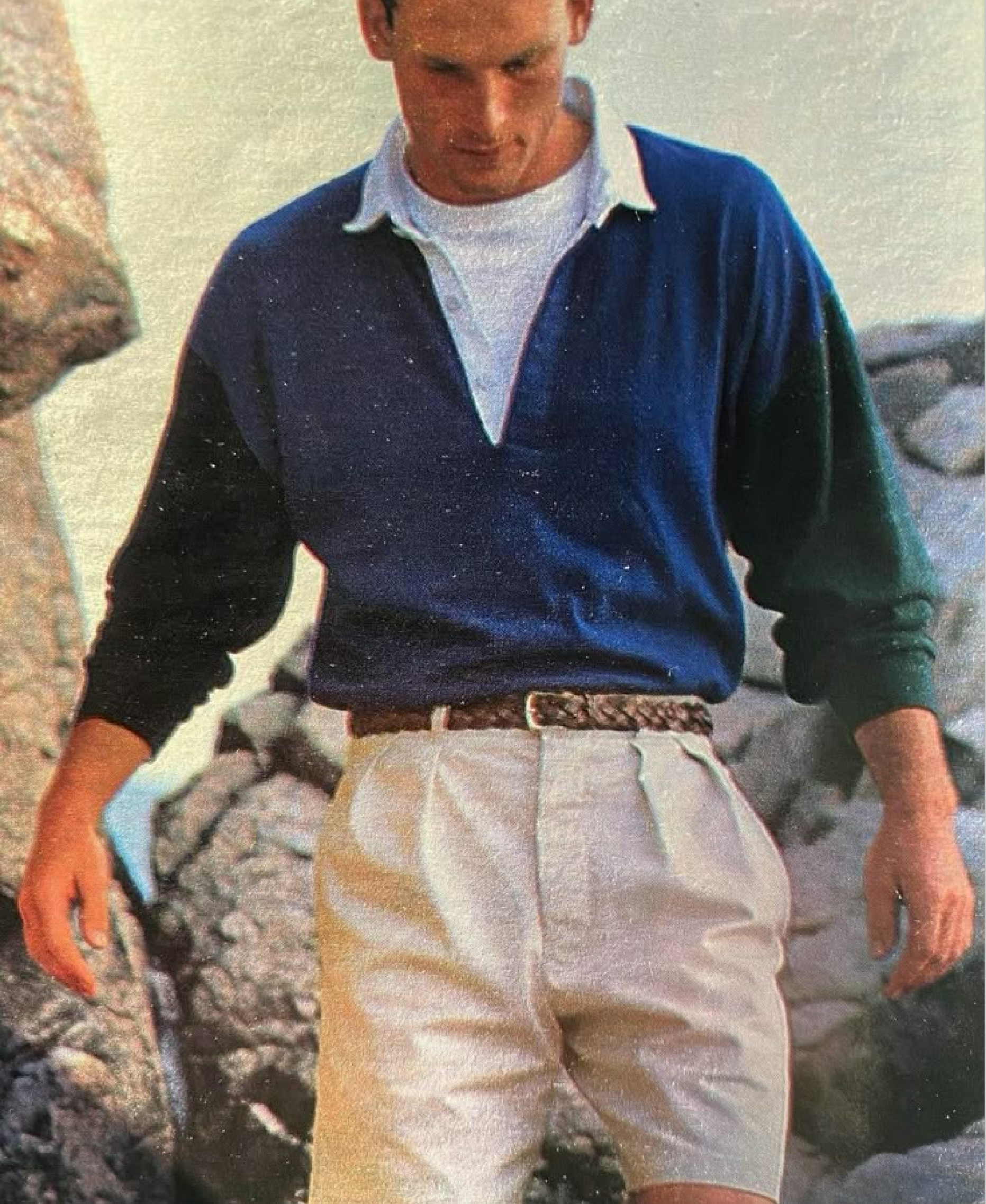
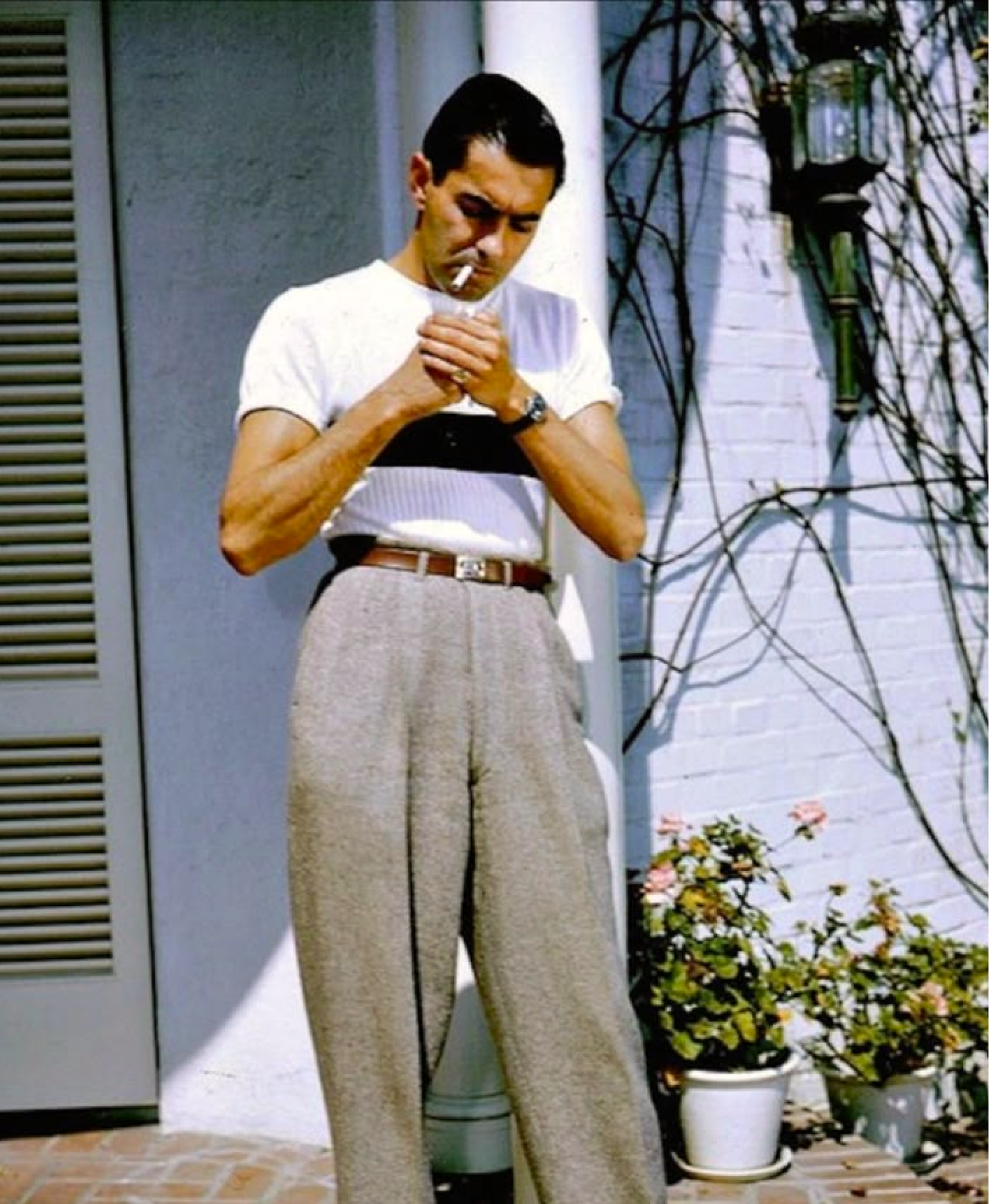
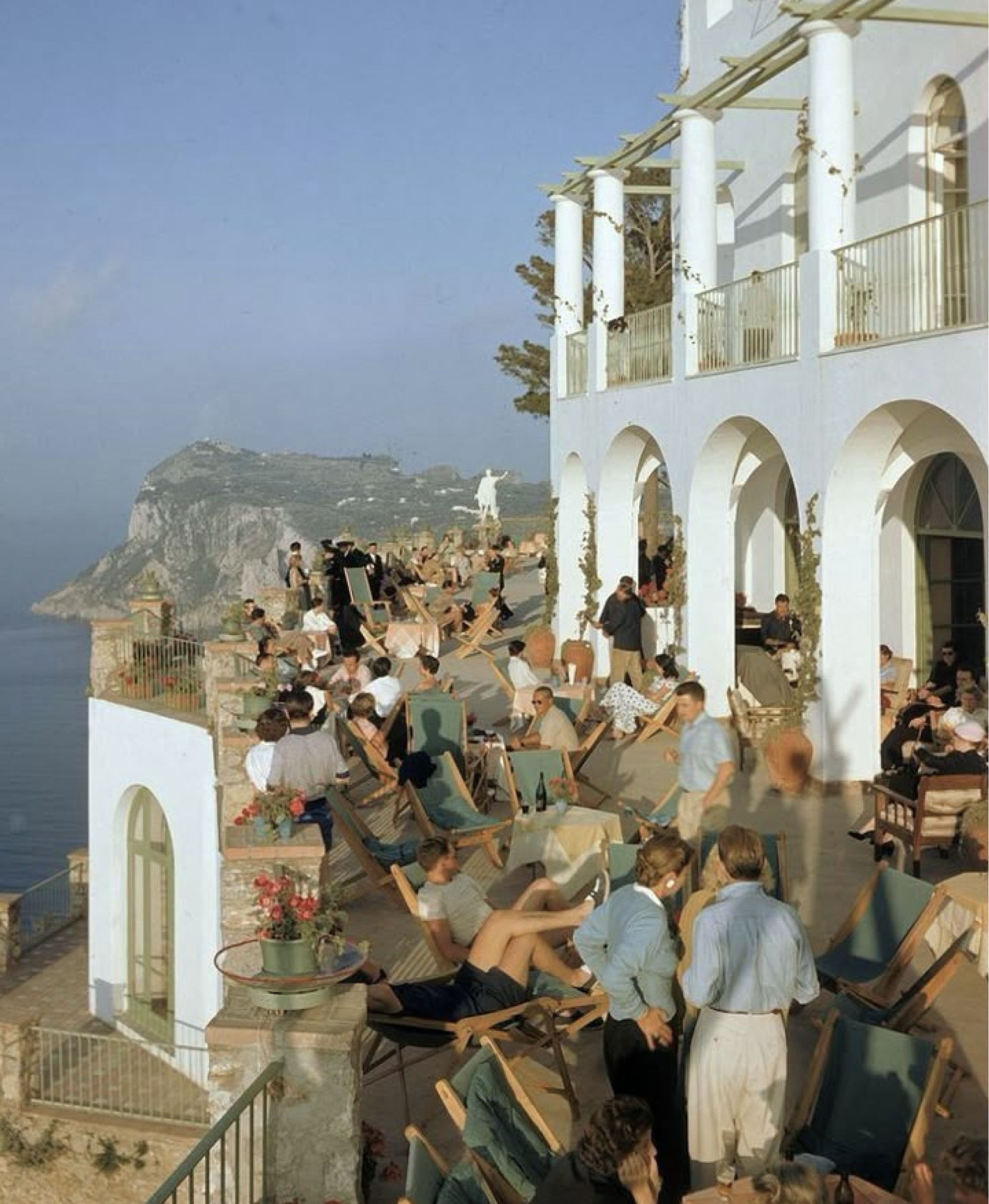
It is no coincidence that in those very years Portofino became the favourite destination of the international jet set: along its streets and in the salons of the Hotel Splendido, figures such as Rex Harrison, Elizabeth Taylor, Clark Gable, Greta Garbo, Ingrid Bergman and the Duke and Duchess of Windsor all passed through.
A small fishing village that, almost by chance, became the stage of an entire era.
It is an aesthetic that cinema and photography have made unforgettable: soft colours, sunglasses resting on a table, terraces lit by the golden light of sunset, parties on the water that continue until late. A boat anchored offshore, the harbour lit in the distance, a light breeze drifting through the evening. Someone takes their shoes off on deck, stays in the same knit worn during the day and carries on into the night without changing a thing.
Because this is precisely its strength: summer knitwear does not represent a rule to follow. On the contrary, it outlines a new form of elegance.
Free, personal, authentic.
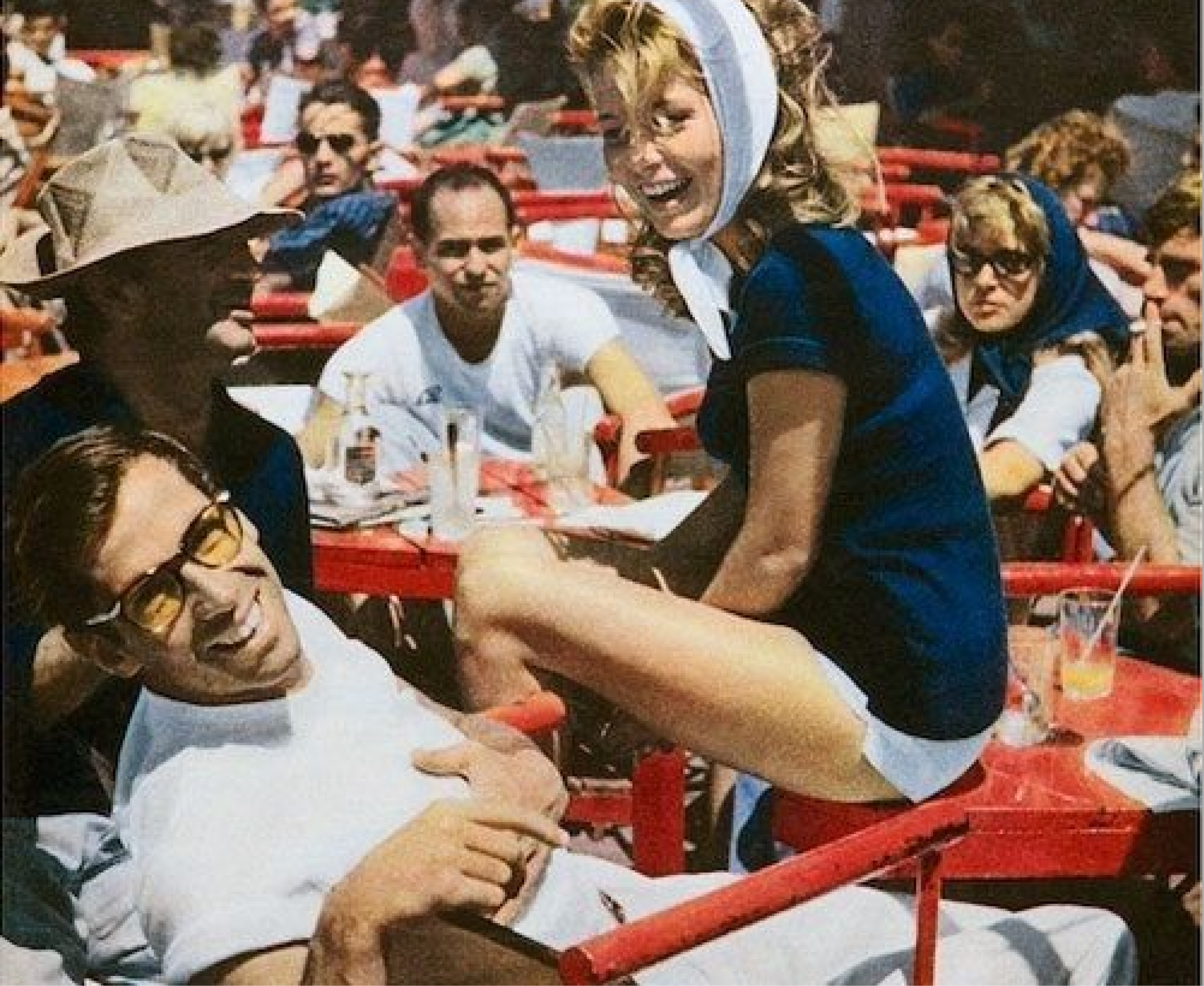

They are contemporary pieces, yet they carry within them a timeless imaginary:
the pleasure of simple things, the quality of natural materials, the value of what is designed to accompany more than one season and more than one story.
It comes as no surprise that, almost seventy years on, that same aesthetic returns cyclically to the centre of attention: a taste for understated elegance, built on essential pieces and authentic materials rather than conspicuous logos, is today one of the most widely followed directions in the way one dresses for summer.
At Artknit, this philosophy takes shape through summer knitwear crafted in Italy, where artisan tradition and contemporary research meet.
Every piece is born to accompany different moments: a slow morning, a journey to the sea, an aimless walk, an outdoor dinner when the air begins to cool.
Because some garments do not belong only to the moment in which they are worn. They remain tied to the places, the people and the days they have passed through. The same soft light on the coast, the same slowness of a summer evening. A new knit worn close to the skin, with that same feeling of lightness that continues to pass from one generation to the next.
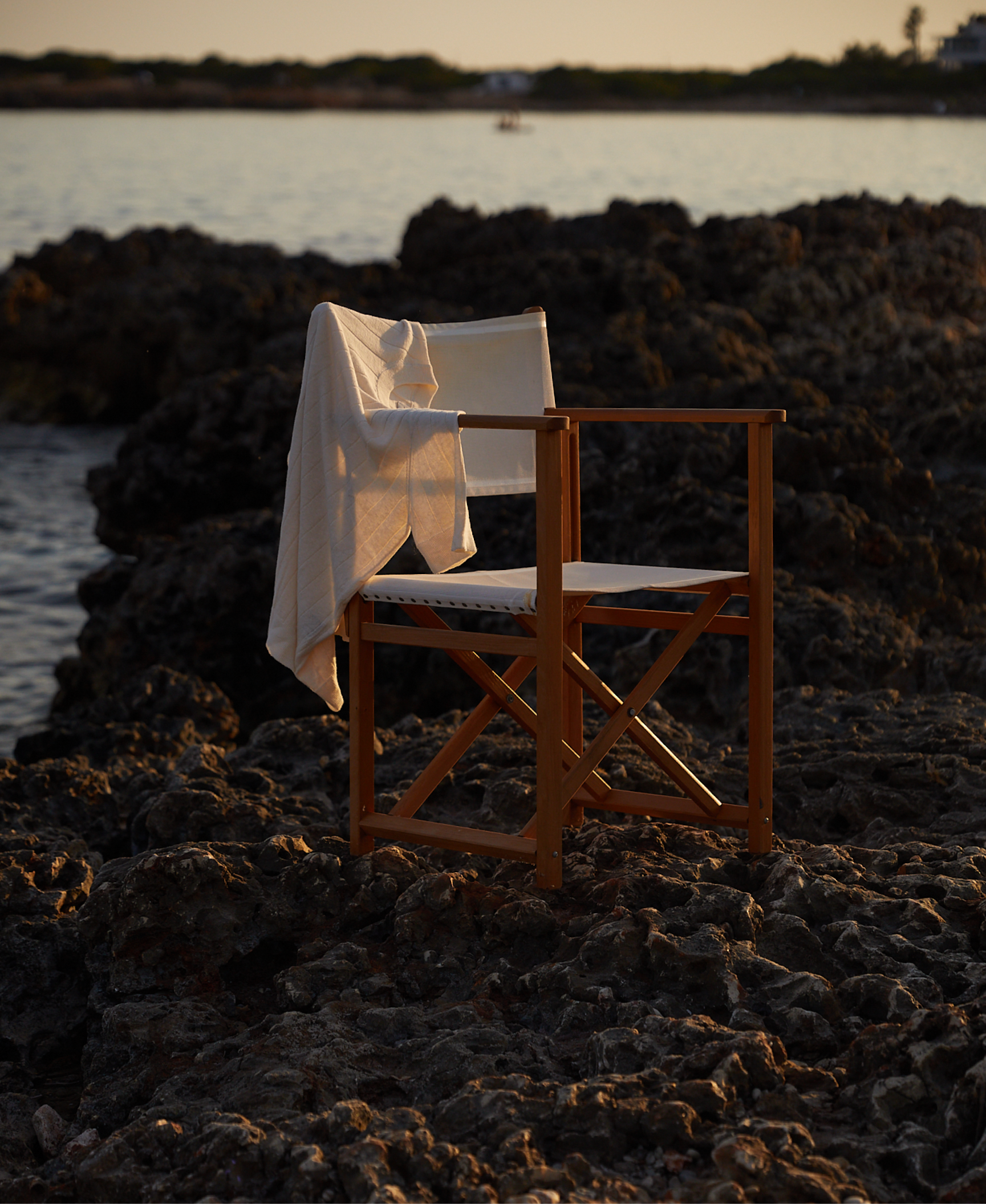

SUMMER SIGNATURE PIECES
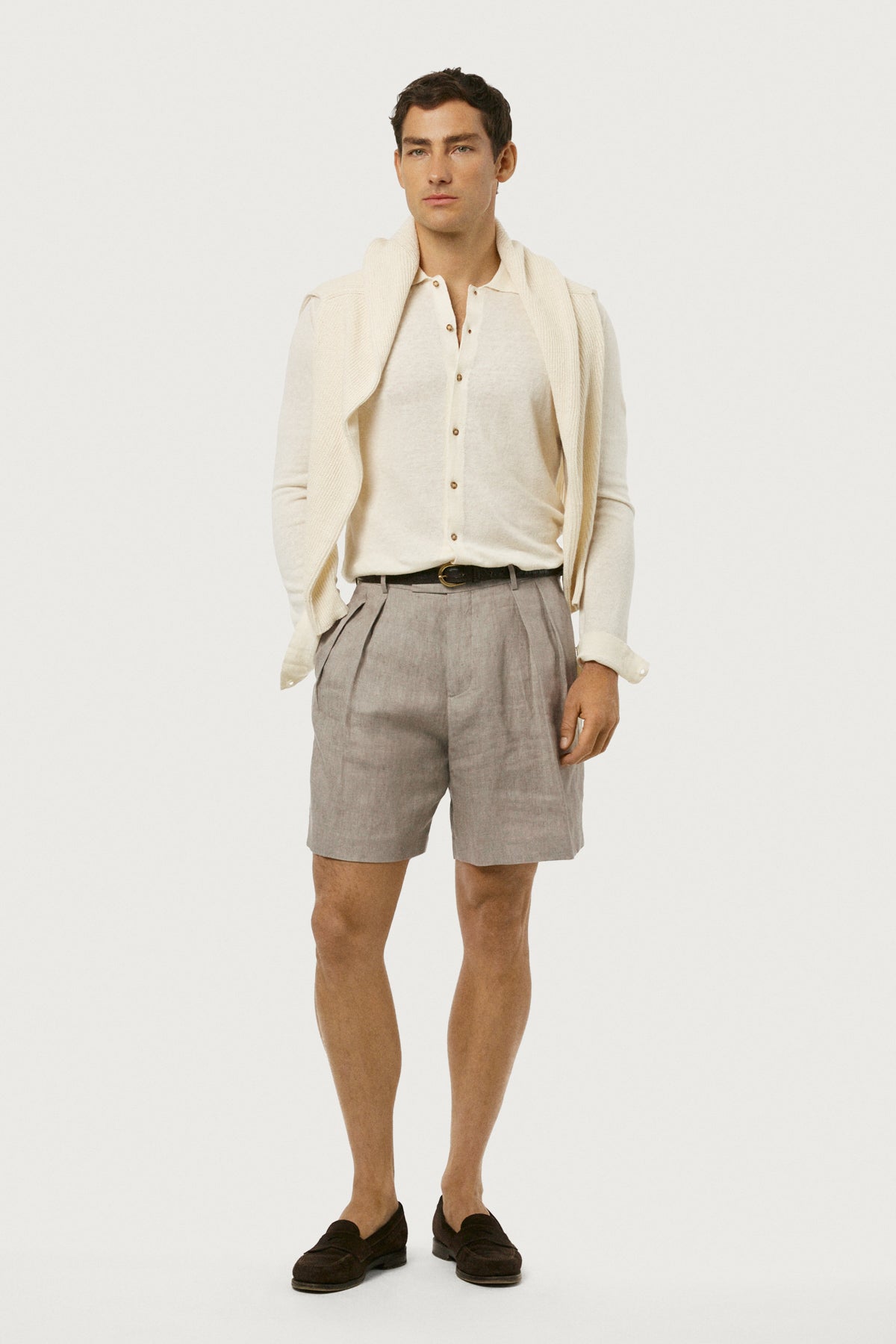
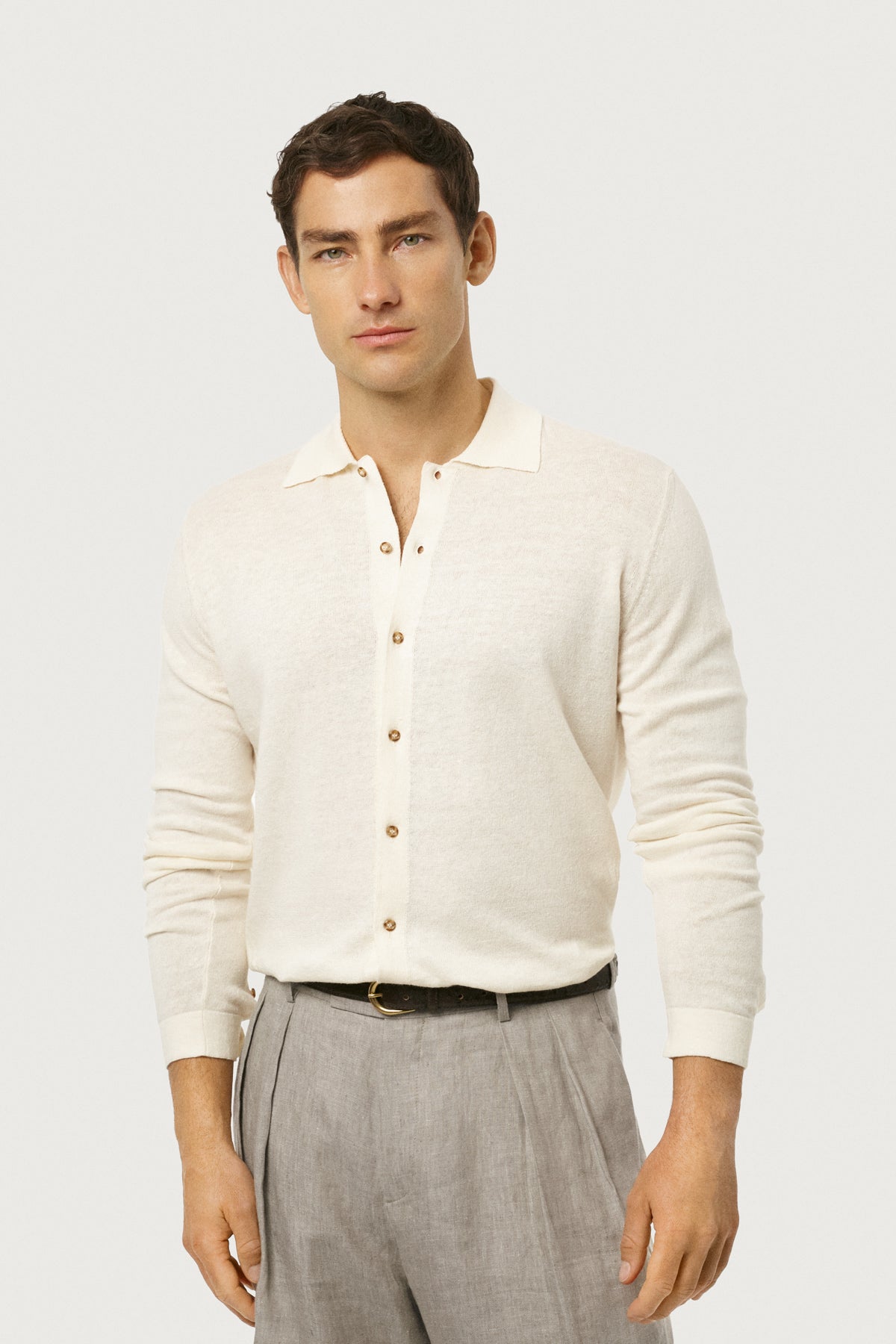
LINEN COTTON
The Linen Cotton Knit Shirt

LINEN COTTON
The Linen Cotton Boxy Polo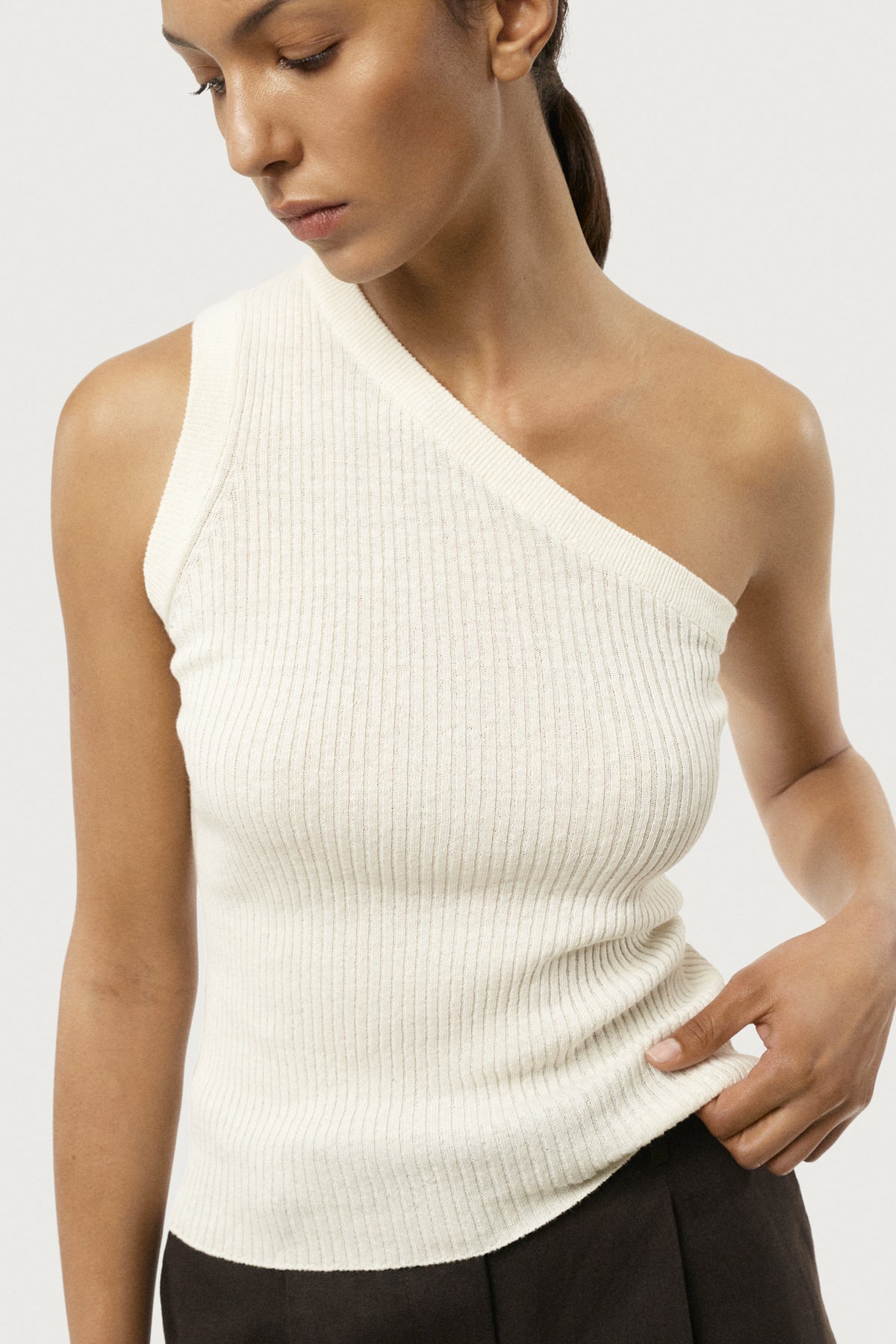
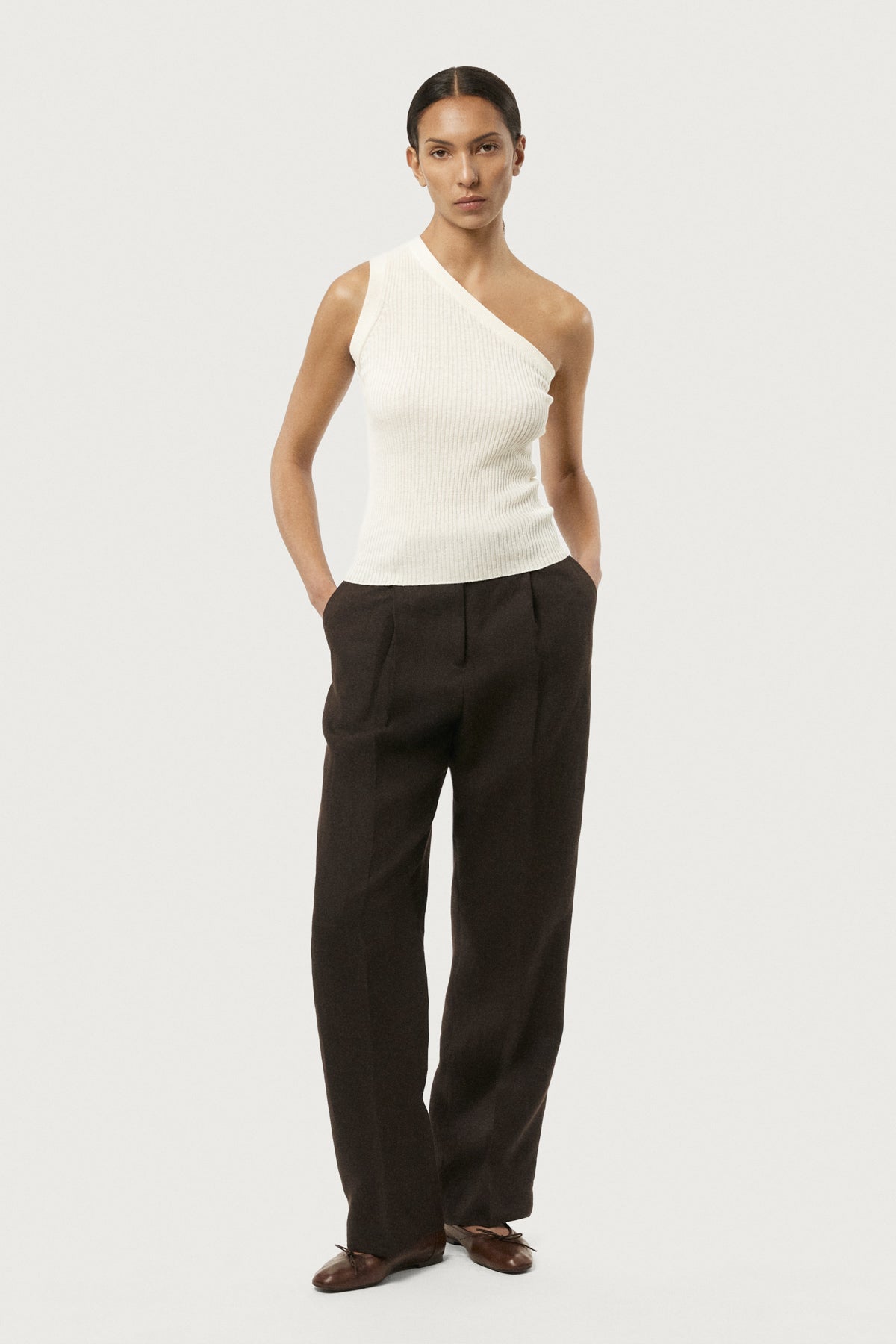
LINEN COTTON
The Linen Cotton One-Shoulder Top

LINEN COTTON
The Linen Cotton Garter Stitch Polo

LINEN COTTON
The Linen Cotton Polo With Trapeze Collar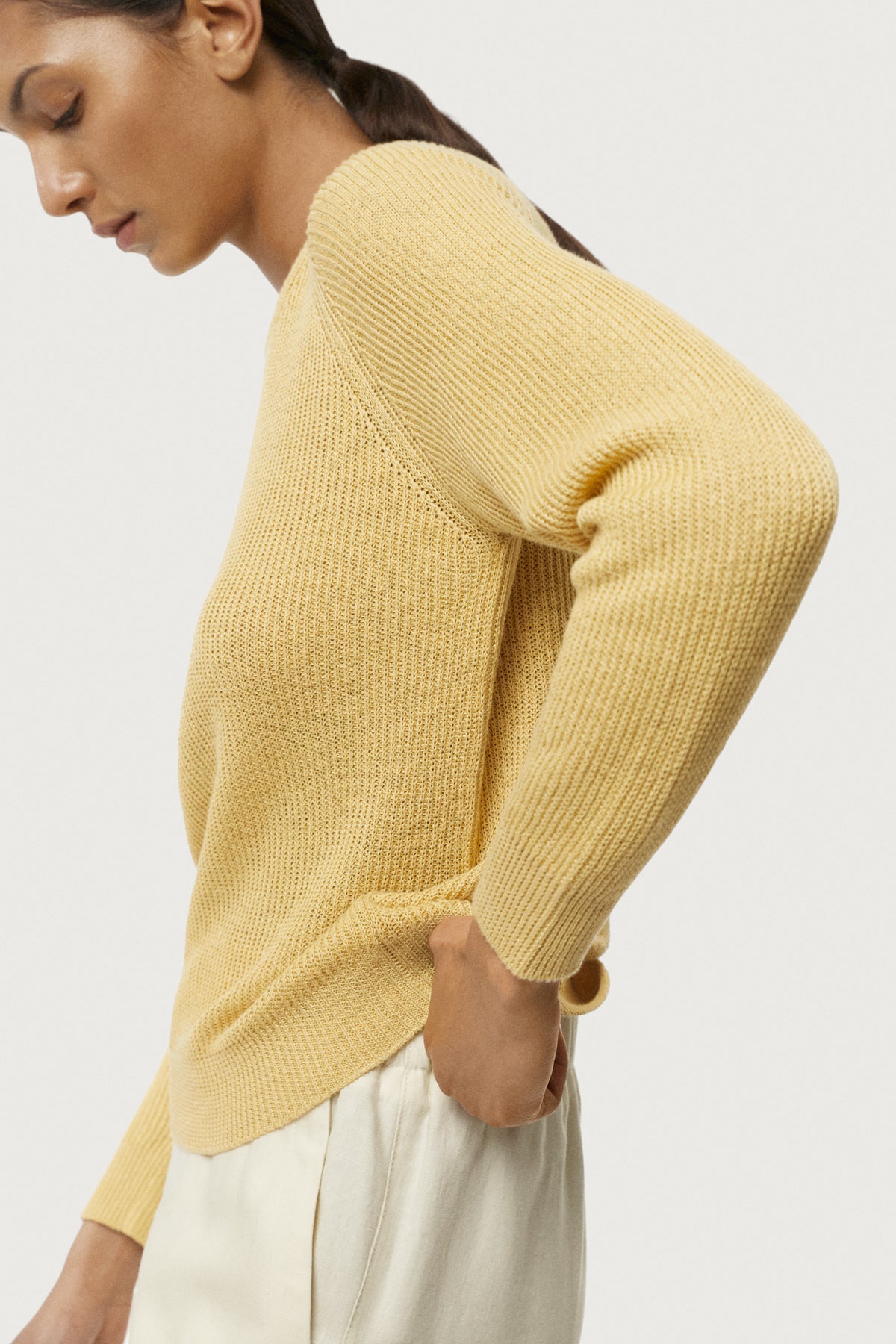

LINEN COTTON
The Linen Cotton Ribbed Sweater

LINEN COTTON
The Linen Cotton Shawl Collar Polo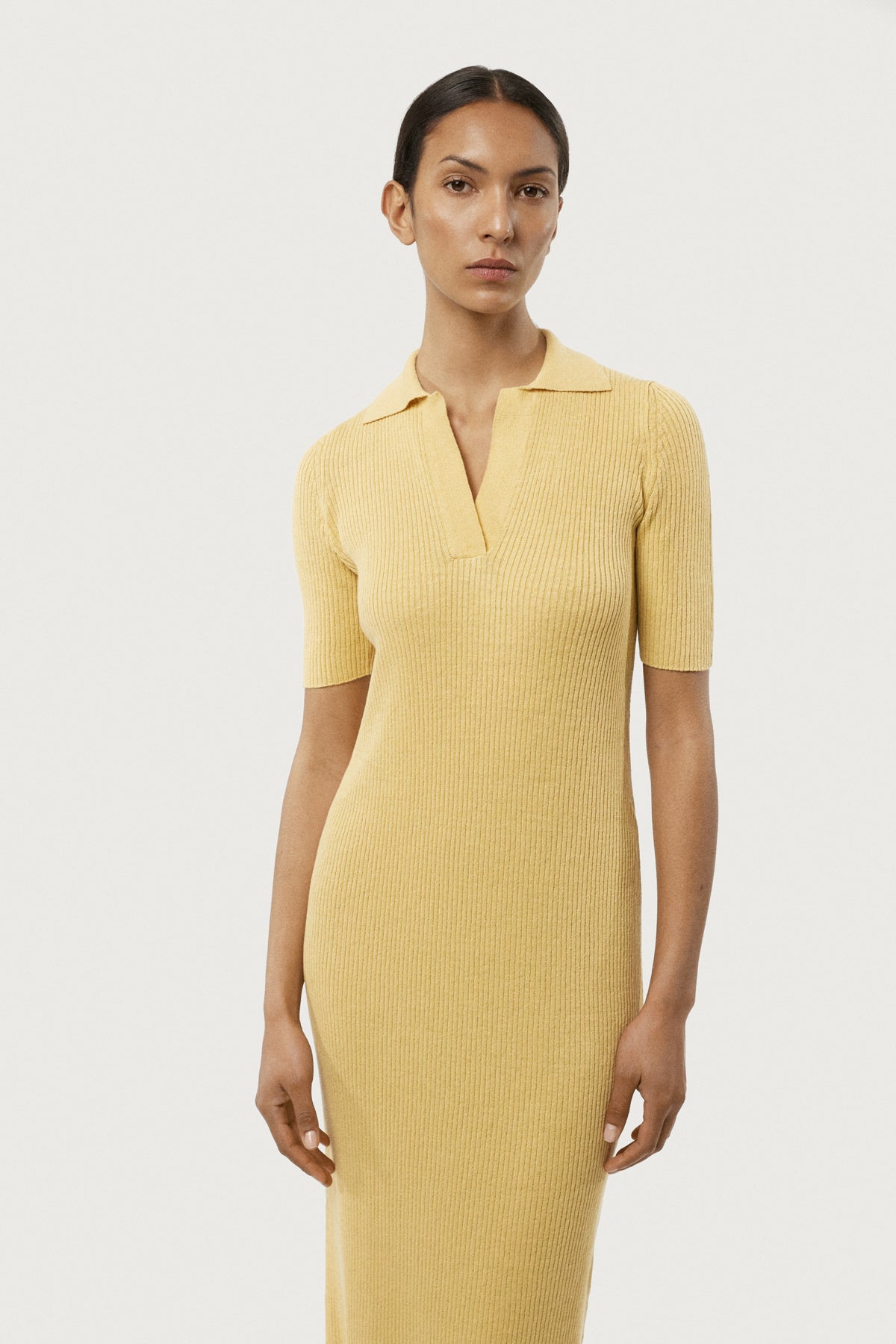

LINEN COTTON
The Linen Cotton Polo DressSources
Lacoste Heritage
Musée de la Mode et du Textile
Fondazione Museo del Tessuto di Prato
Portofino Turismo
The Metropolitan Museum of Art – Costume Institute Archives
Vogue Archives

WORLDWIDE SHIPPING AND EASY RETURNS
Shipping is free within the EU for orders over €250. Size exchanges are free in the EU, and returns are quick and easy, with our customer service ready to assist you.

ORDER ONLINE AND PICK UP YOUR ORDER
Choose between in-store pickup or InPost 24/7 Locker & Pickup Points at checkout, and collect your order whenever and wherever it suits you best with no shipping costs for in-store pickup.

PAY A LITTLE AT A TIME
You can pay directly from our website in three monthly installments without interest, by selecting Scalapay at checkout and creating an account in just two minutes.

DIGITAL PRODUCT PASSPORT
You can always know who crafted your piece and where the raw material came from by going through its journey on every product page.

THE REPAIR PROGRAM
The Repair Program aims to make your Artknit’s pieces look as good as new, in order to reduce waste and extend your knits’ lifecycle.