



In everyone's wardrobe there is at least one wool sweater. A warm, soft and elastic fibre, made to be spun, the result of thousands of years of selection, of choices made generation after generation. This story begins with a sheep that, in the beginning, had very little wool at all.
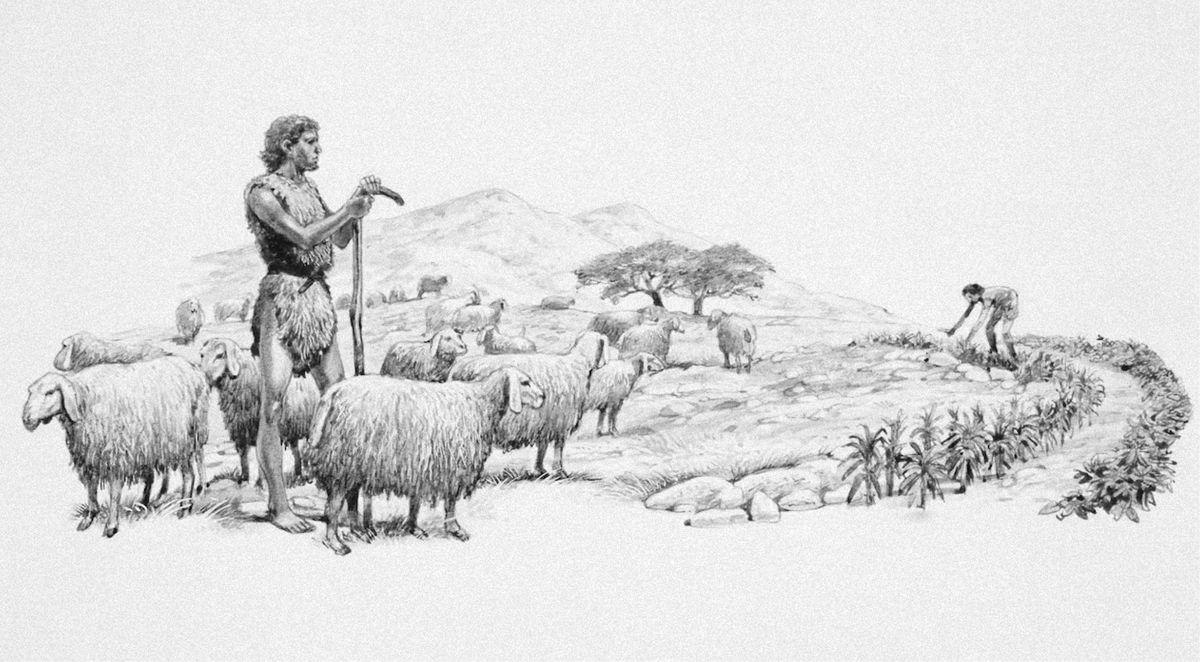
Around 11,000 years ago, in the Fertile Crescent, between Anatolia and the Zagros mountains, humans domesticated the sheep. They did so for meat, milk and hides. The fleece, at that stage, was almost an afterthought.
Its wild ancestor, the Asian mouflon, has a rough, dark coat, made to resist cold and rain. Beneath that outer layer, however, a thin and softer, more insulating undercoat grows. It is from this almost invisible detail that the whole story begins.
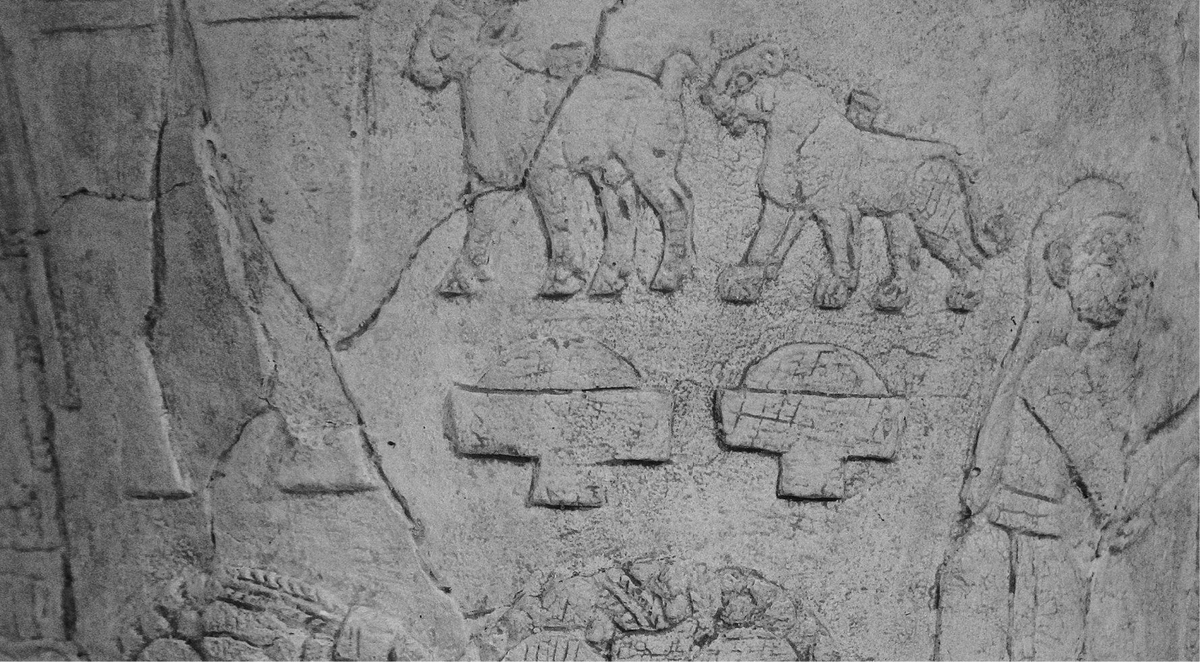
The first truly "wool" sheep appear between the 6th and 4th millennia BC. Wool did not emerge from a single insight, but from hundreds of generations of shepherds who, with no knowledge of genetics, bred the animals with the thickest and softest fleeces. The shepherd who chose the softest lamb was already doing, without knowing it, what we would today call raw material selection.

By the 3rd millennium BC, wool in Mesopotamia was already an economic commodity: recorded on clay tablets, taxed, traded as a valuable good.
The earliest sheep were not shorn. They shed their fleece naturally in spring, and the wool was gathered by hand, tuft by tuft, during the natural moult.
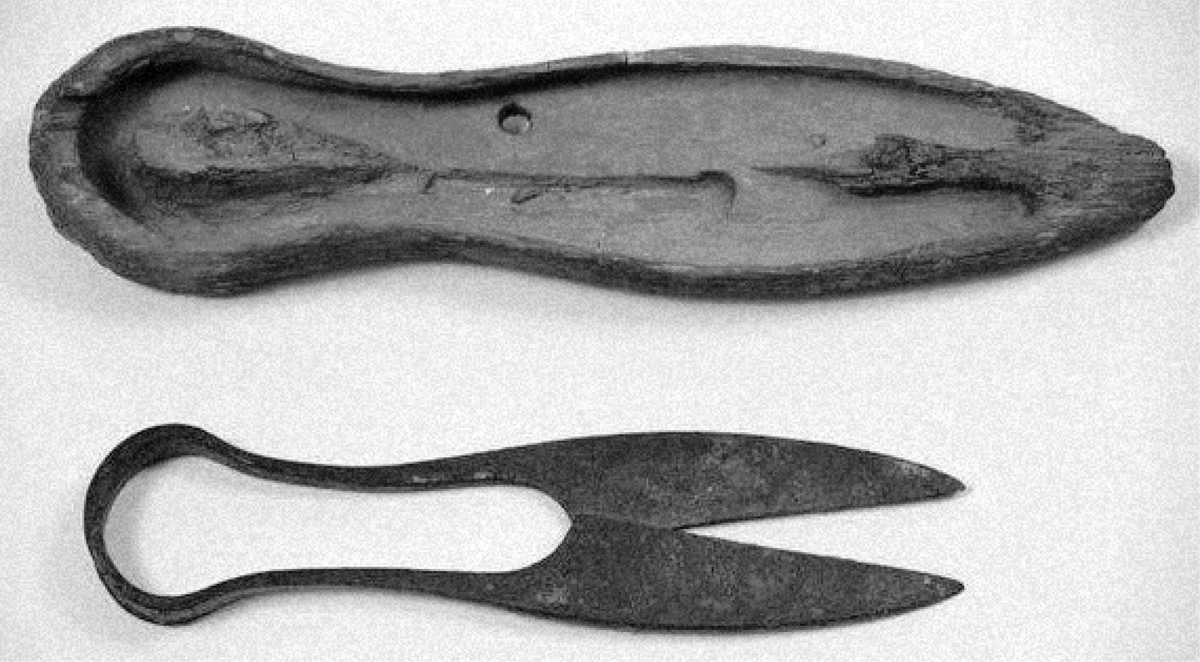
Did you know? This practice is called rooing and has not entirely disappeared: some primitive breeds, such as the Shetland sheep, can still be "combed" by hand. The first shearing scissors appear with the spread of iron, around 1000 BC: a simple tool that changed the relationship between humans and animals forever.
Even in Roman times, not all wools were equal. Those from the area around Taranto and the Po Valley were among the most prized and expensive. Varro describes sheep covered with skins, so that their fleece would not be damaged by sun, dust and bad weather.
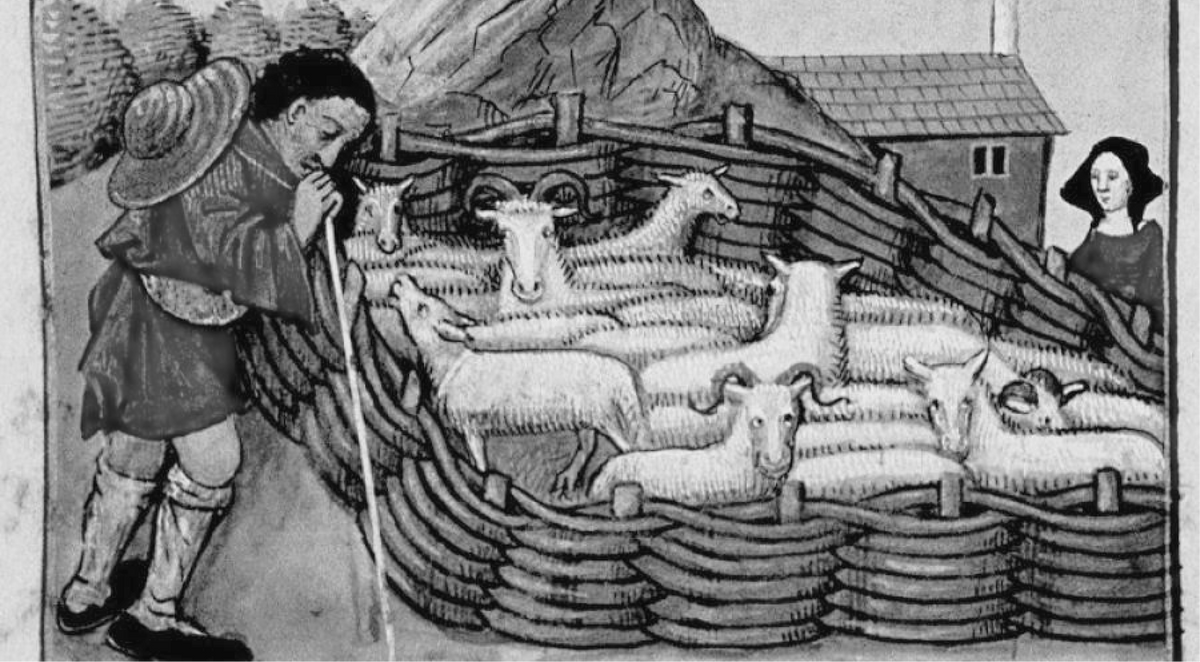
Between the late Middle Ages and the early modern period, the Merino sheep established itself in Spain, with an extraordinarily fine and dense fleece. Its value was such that for centuries the Crown banned its export under severe penalties, traditionally including the death penalty. Fine wool, for a long period, was literally a matter of State.
The ban eased only in the eighteenth century, when some animals were gifted to European courts. It is from one of these flocks, which arrived at the Dutch colony of the Cape of Good Hope, that the next chapter begins.
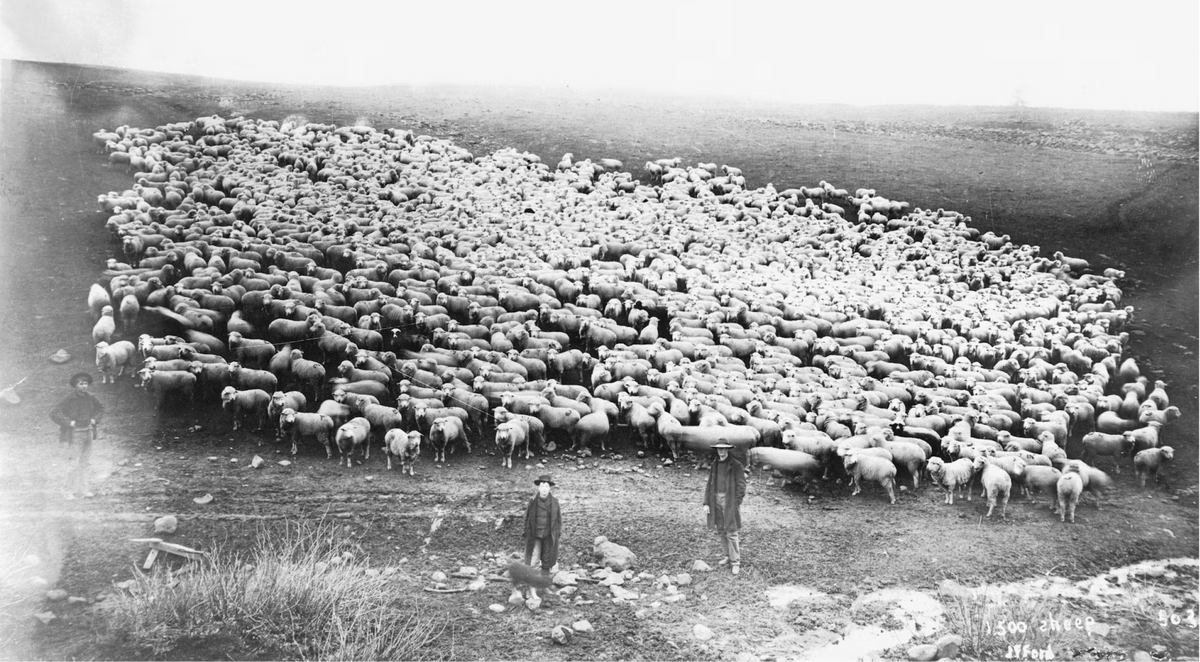
In 1797 a small group of Merino sheep, descendants of that flock, landed in Sydney. Farmers such as John and Elizabeth Macarthur recognised their potential and, within a few decades, the Australian pastures became the cradle of fine Merino wool.
This is why, even today, when we think of high-quality Merino wool, we almost automatically think of Australia. And why the wool that arrives in the spinning mills of Biella has often made this same journey.
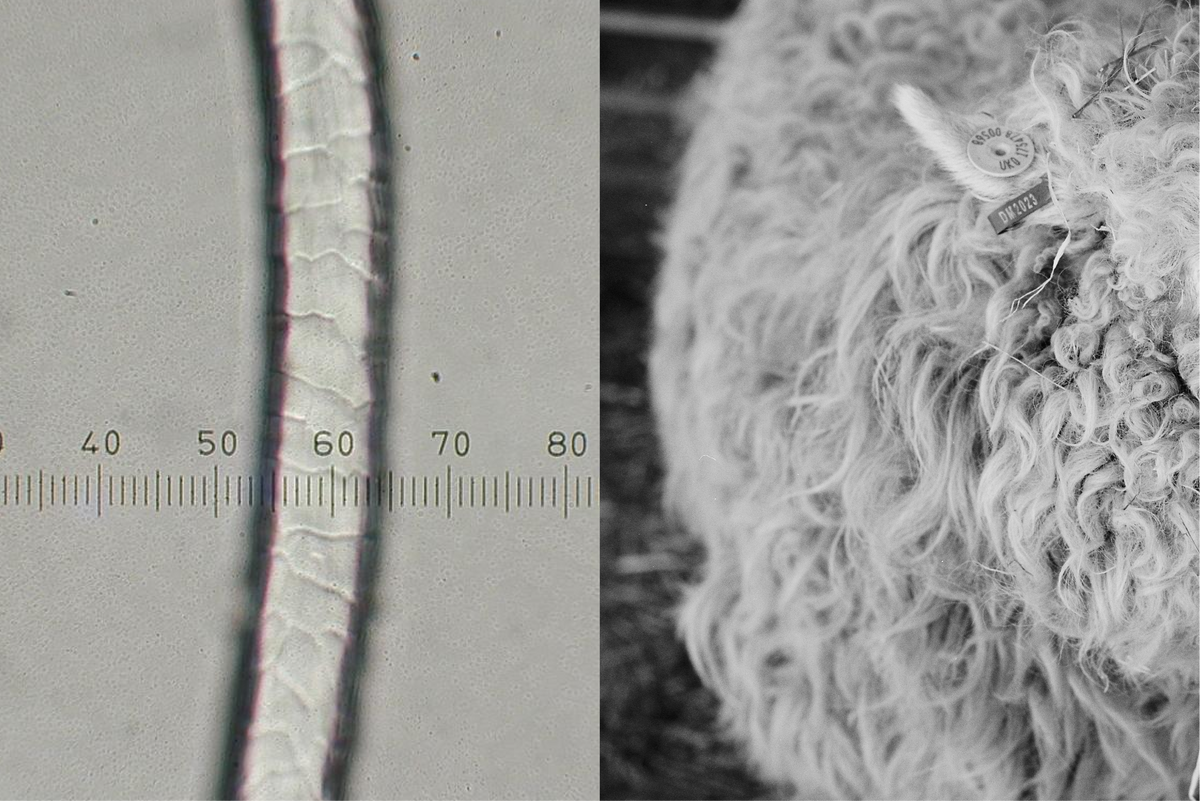
For almost its entire history, the fineness of wool was judged by touch, by eye, by reputation. In the nineteenth century, wool merchants in Bradford began to classify it according to how fine a yarn could be drawn from it. In the twentieth century came an objective measure: the diameter of the fibre, expressed in
microns — one thousandth of a millimetre. It is worth clearing up a common misconception: the micron did not make wool soft. Softness came first, the fruit of millennia of selection.
The micron came later, to measure it and, inevitably, to give it a value.
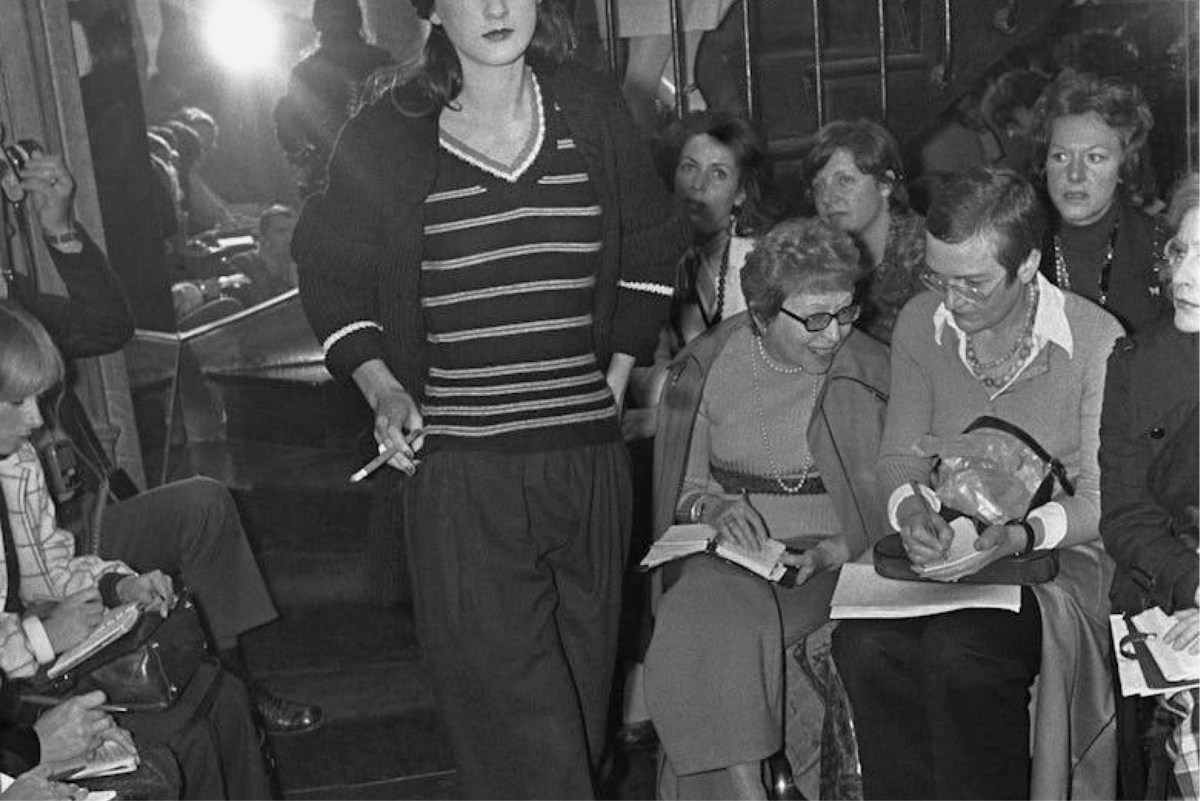
For centuries, knitwear was a working material. It kept the fishermen of the North Sea warm, along with farmers and sportsmen. It was made at home, repaired, passed down.
It was a garment that protected, not one that was shown.
The turning point came in the nineteen-tens. Around 1916 Gabrielle Chanel purchased a batch of jersey from manufacturer Jean Rodier — a knitted fabric until then used mainly for men's underwear. She made soft, practical women's dresses and suits from it, free from the corset. For the first time, knitwear was no longer a fallback: it was a style choice.
In 1927 Elsa Schiaparelli presented a black sweater with a white bow worked in trompe-l'œil, hand-knitted by Armenian refugee artisans in Paris using a two-thread technique. The piece was noticed by the fashion press and became the starting point of her maison. A simple pullover, built stitch by stitch, demonstrated that knitwear could be a language.
In the sixties, Sonia Rykiel introduced tight, short, fine-ribbed sweaters designed to follow the body. The press renamed her "queen of knitwear". Knitwear ceased to be merely warm: it became silhouette, construction, declaration.
It is in Italy, however, that knitwear found its most recognisable voice. In 1953 Ottavio and Rosita Missoni opened a small workshop in Gallarate. In 1967 they showed at Palazzo Pitti in Florence: the runway lights made the light garments transparent and the show caused a sensation. A few years later, the American press named them the best knitwear designers in the world.
In the same period Mariuccia Mandelli launched Krizia Maglia (1967), with unusual constructions and stitches, while Laura Biagiotti made cashmere the heart of her collections, so much so that she is remembered as "queen of cashmere". In the seventies, with the birth of Milanese prêt-à-porter, Italian knitwear became a category in its own right: no longer a complement, but the garment around which a wardrobe is built.
From that moment on, the sweater never left the runway. The way of telling its story has changed, not its substance: a good knitwear piece is still born from a good fibre, a well-constructed yarn, and hands that know how to work it.

In the Biella area, wool has been worked for over two thousand years: a Roman inscription found in Lessona mentions a sagarius, a producer of rough wool cloaks. Already in the municipal Statutes of 1245, the Guild of Wool Workers and that of Weavers appear, a sign that the activity was important enough to require written rules. In 1817 Pietro Sella, returning from a study trip to look at English machines, installed them in the family wool mill in Valle Mosso: it was the beginning of the modern textile industry in Italy. Since then the district has never stopped, and in 2019 UNESCO recognised Biella as a Creative City for Crafts and Folk Art.
Biella owes much of its vocation to a frequently undervalued resource: water. The water that descends from the Pre-Alps is particularly low in limestone, ideal for washing and dyeing wool without compromising its natural softness. For this reason, along the Cervo, Strona and Sessera streams, spinning mills and wool works were established one after another.
Artknit was born from the idea of demonstrating that high-quality knitwear can be responsible, traceable and accessible, by working directly with those who produce it. For us, Biella is a network of people and expertise with whom we work every day. Our pieces are then made entirely in Italy, in small family-run workshops, at a slower and more human pace. Every product page shows the journey of the piece, from fibre to the workshop that made it. And when a piece wears out, our Repair Program returns it to the hands of artisans, to extend its life.
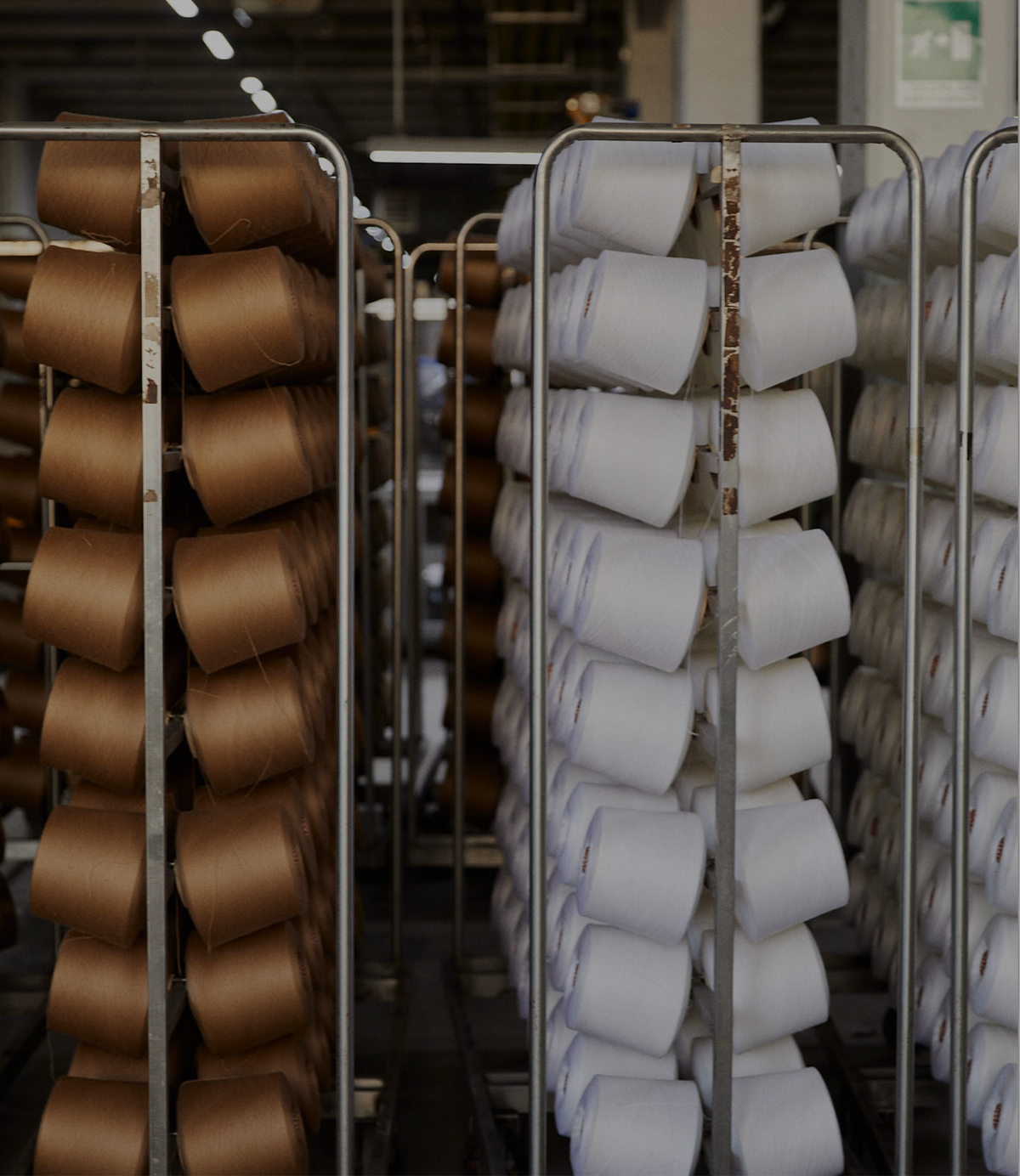
Tollegno 1900, a historic spinning mill in the district, for our Extrafine Merino wool. The raw material comes from Australia, from the same flocks whose story began in 1797.
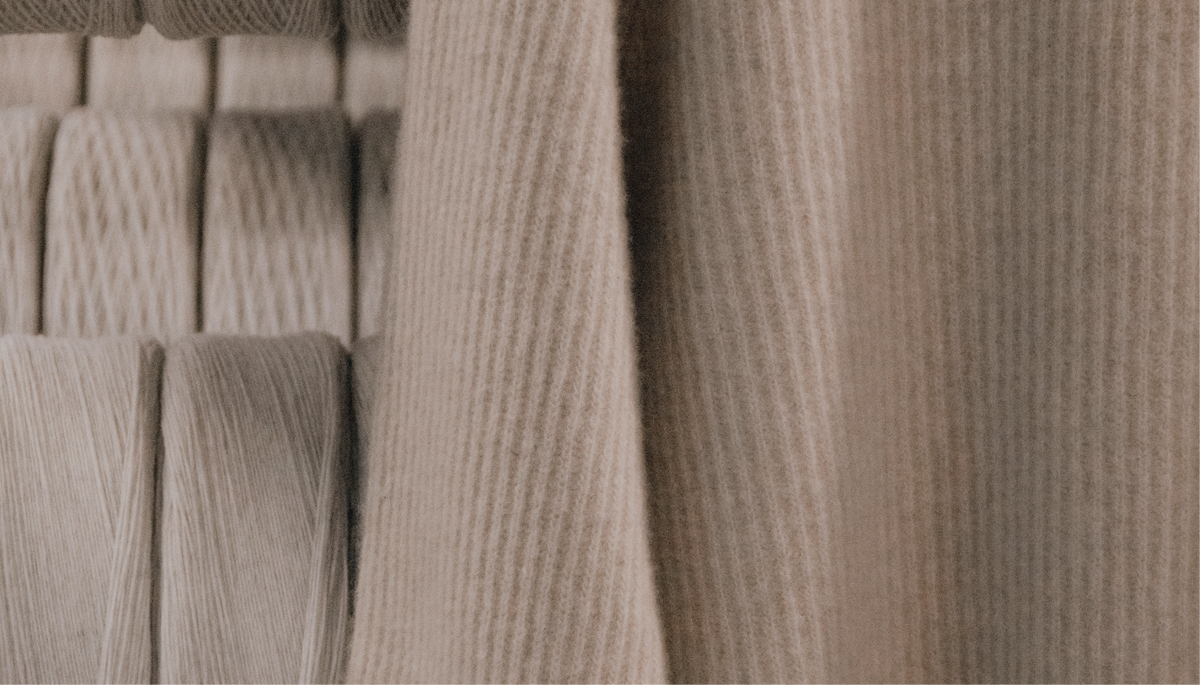
Lanecardate, a carded spinning mill with a family tradition rooted in 1663.
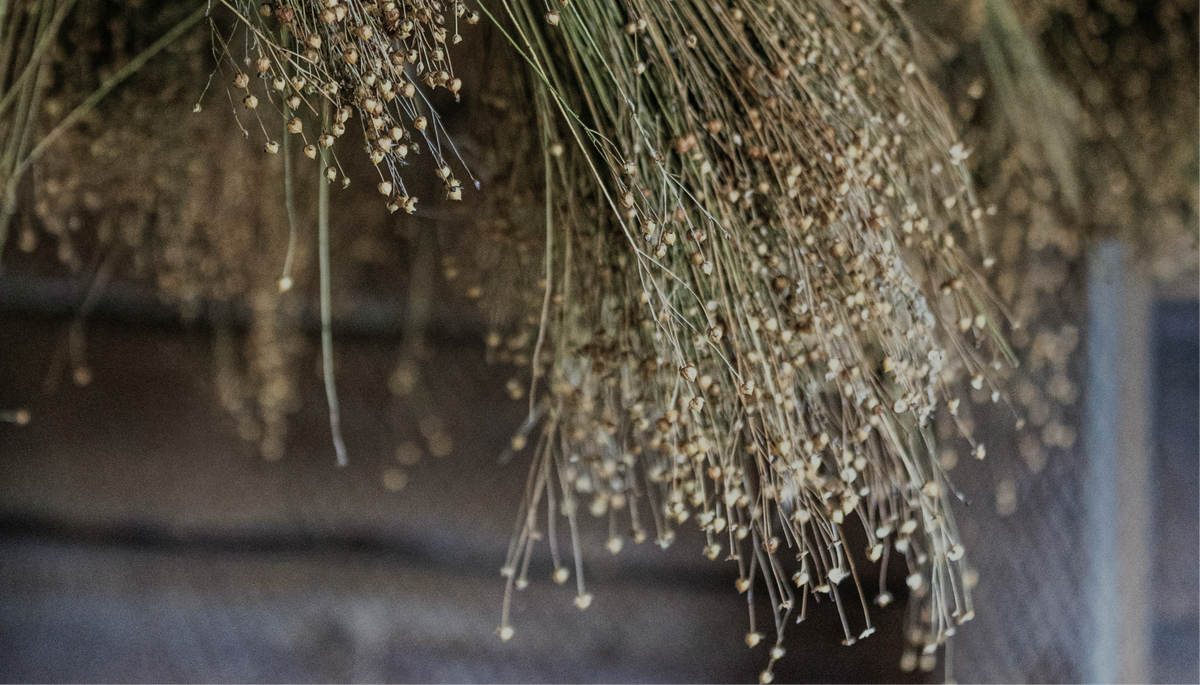
Servizi e Seta, for linen yarns.
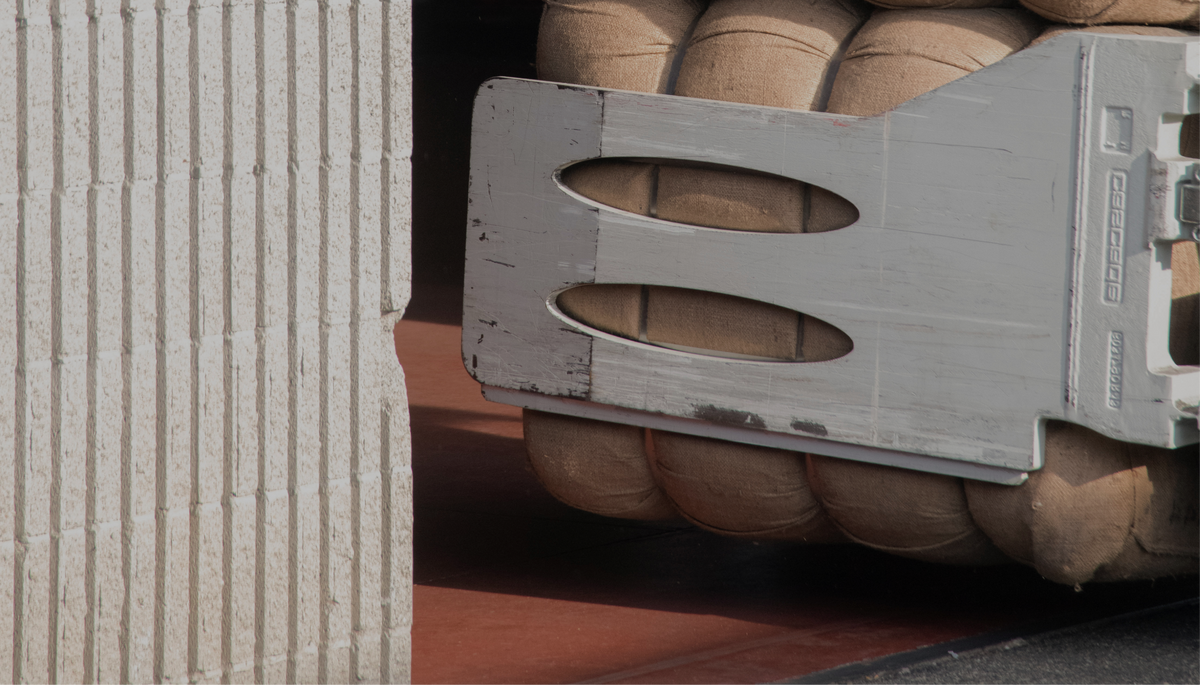
Felice De Palma, who since 1960 has recovered
the offcuts from the finest Biella production to regenerate cashmere, with EU Ecolabel certification.
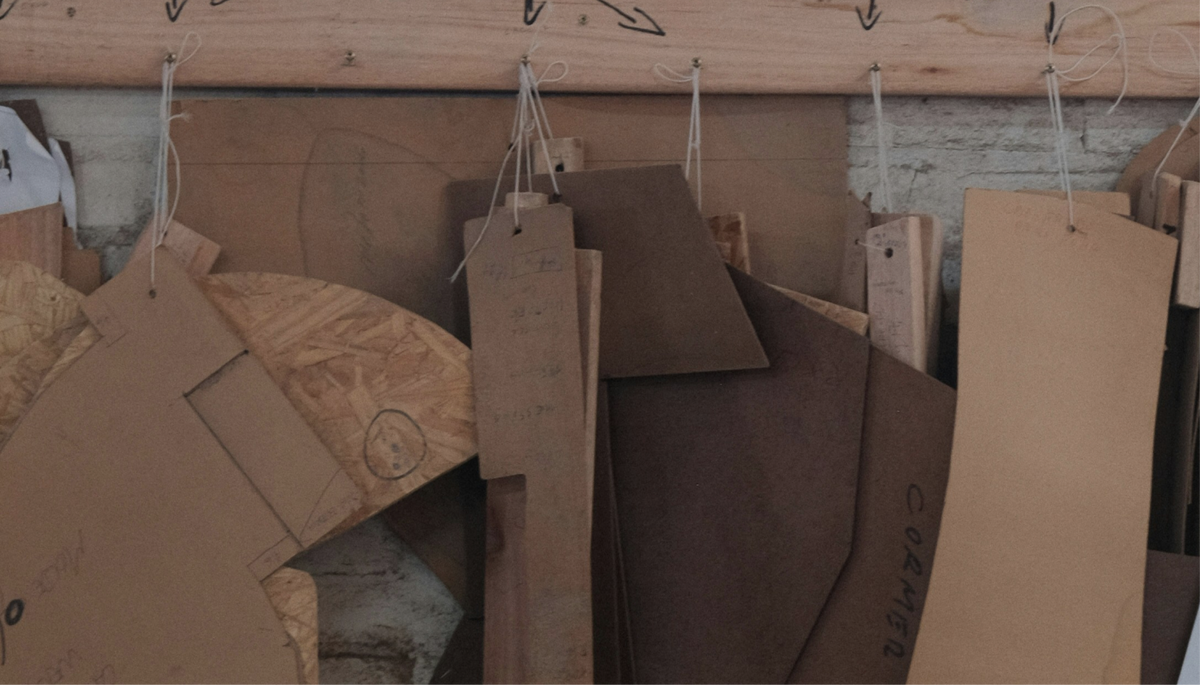
Sciarpificio dei Fratelli Sasso (since 1947)
and Cappellificio di Luca (since 1935), for scarves, blankets and hats.
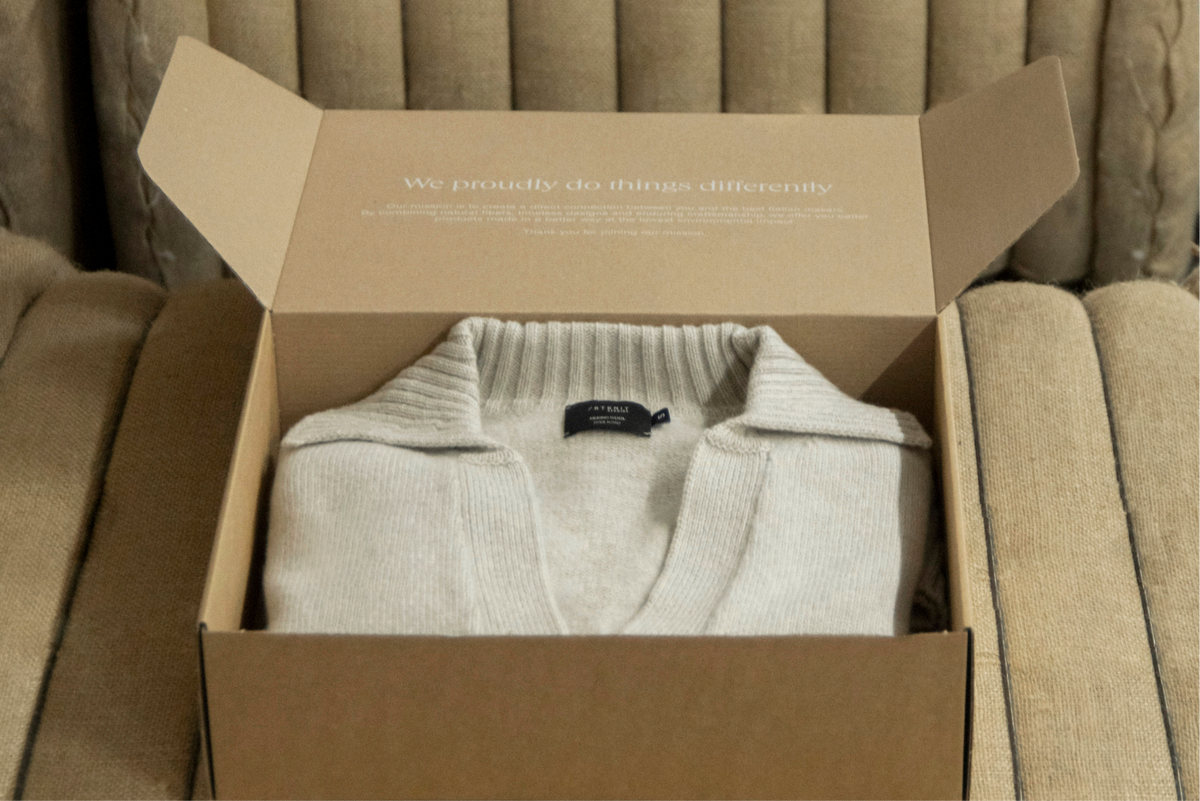
When we choose a yarn, we are not only choosing a raw material. We are gathering the legacy of shepherds who practised selection without knowing it, of wool merchants who turned softness into a number, of a territory that made its water a knowledge passed down through generations. That softness under the fingers is not a given of nature. It is the result of patient choices, more than of sudden inventions. And that is why we believe in fewer pieces, made well, created to last: buy less, buy better.
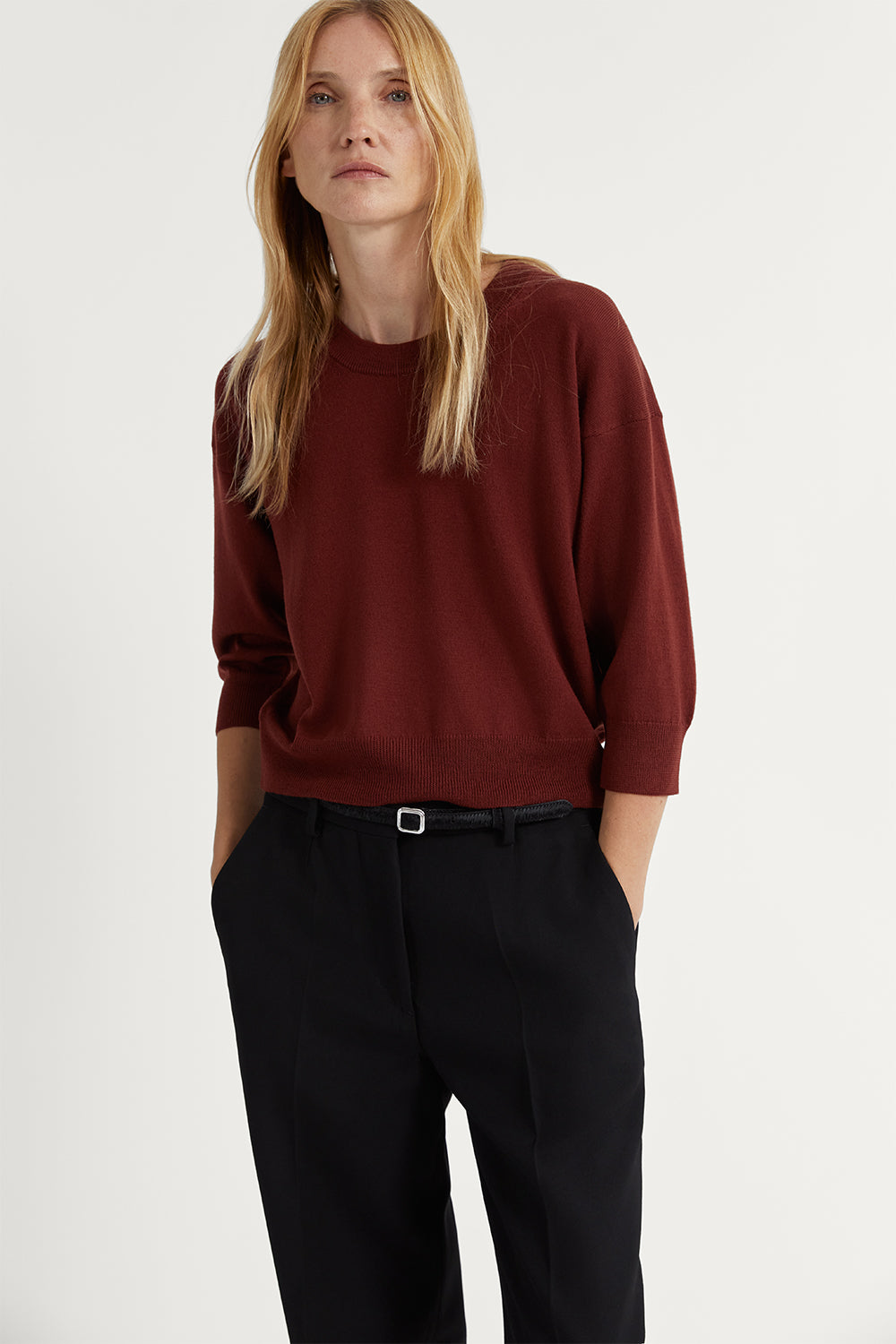

EXTRAFINE MERINO WOOL
The Merino Wool Boxy T-Shirt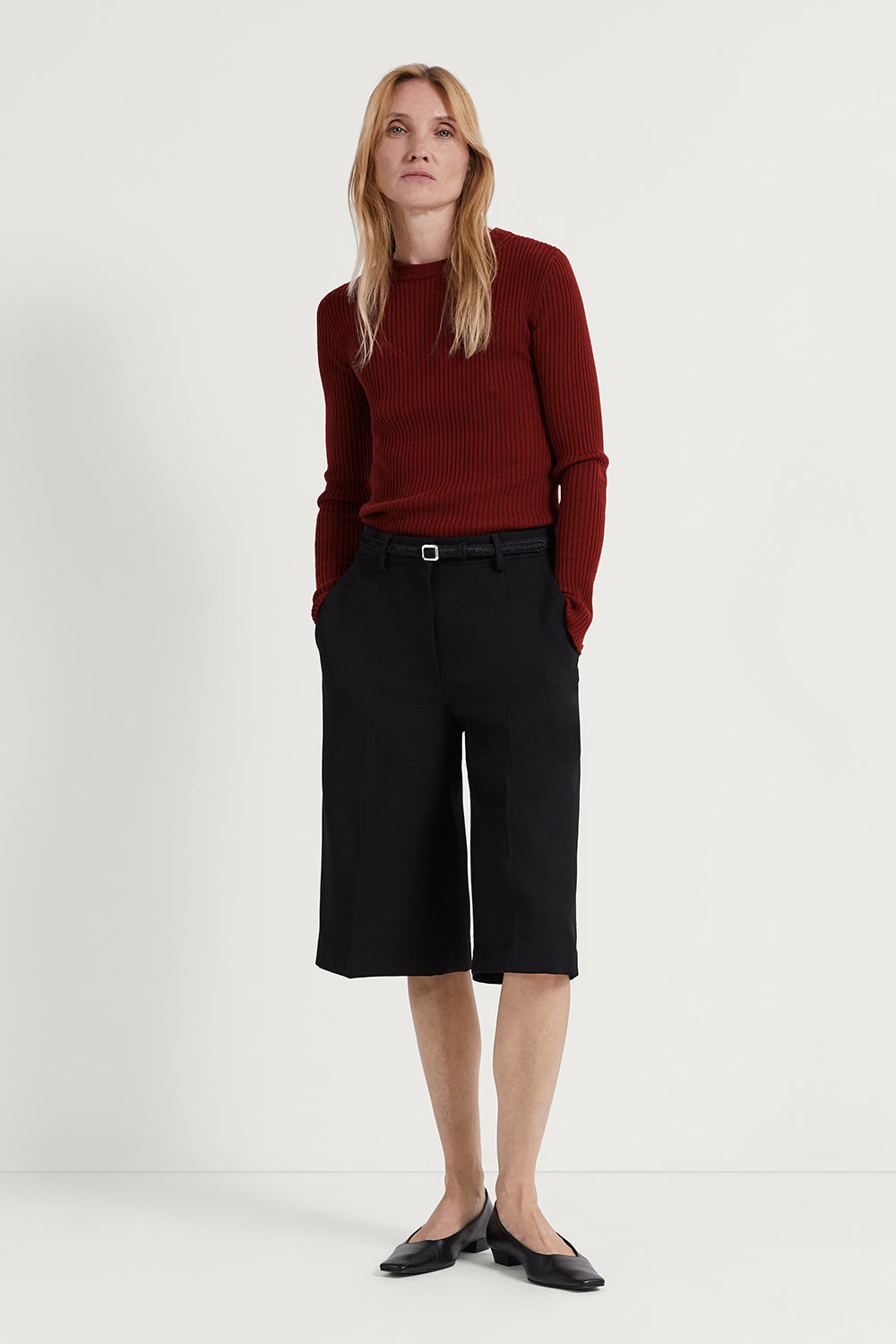
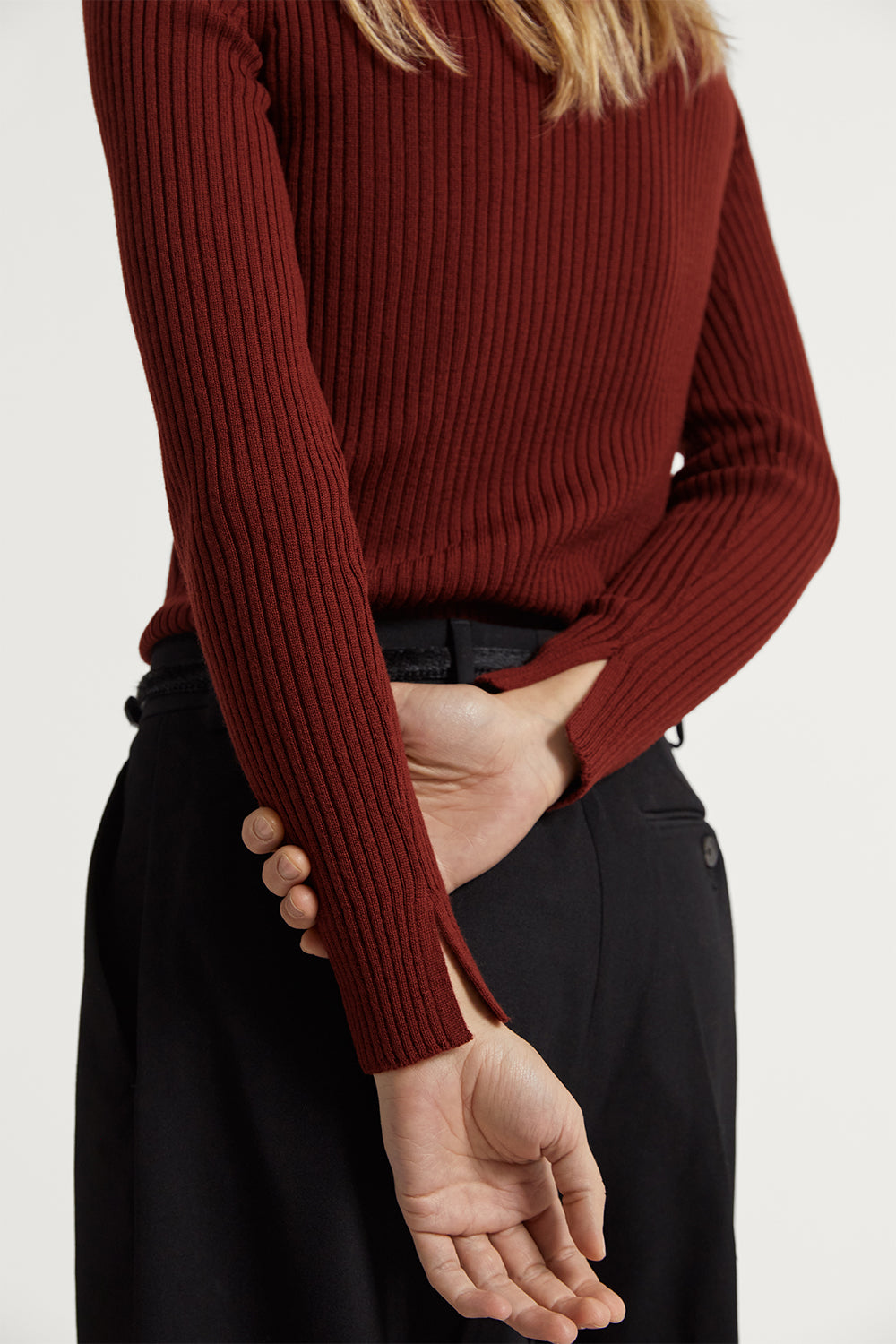
EXTRAFINE MERINO WOOL
The Merino Wool Ribbed Sweater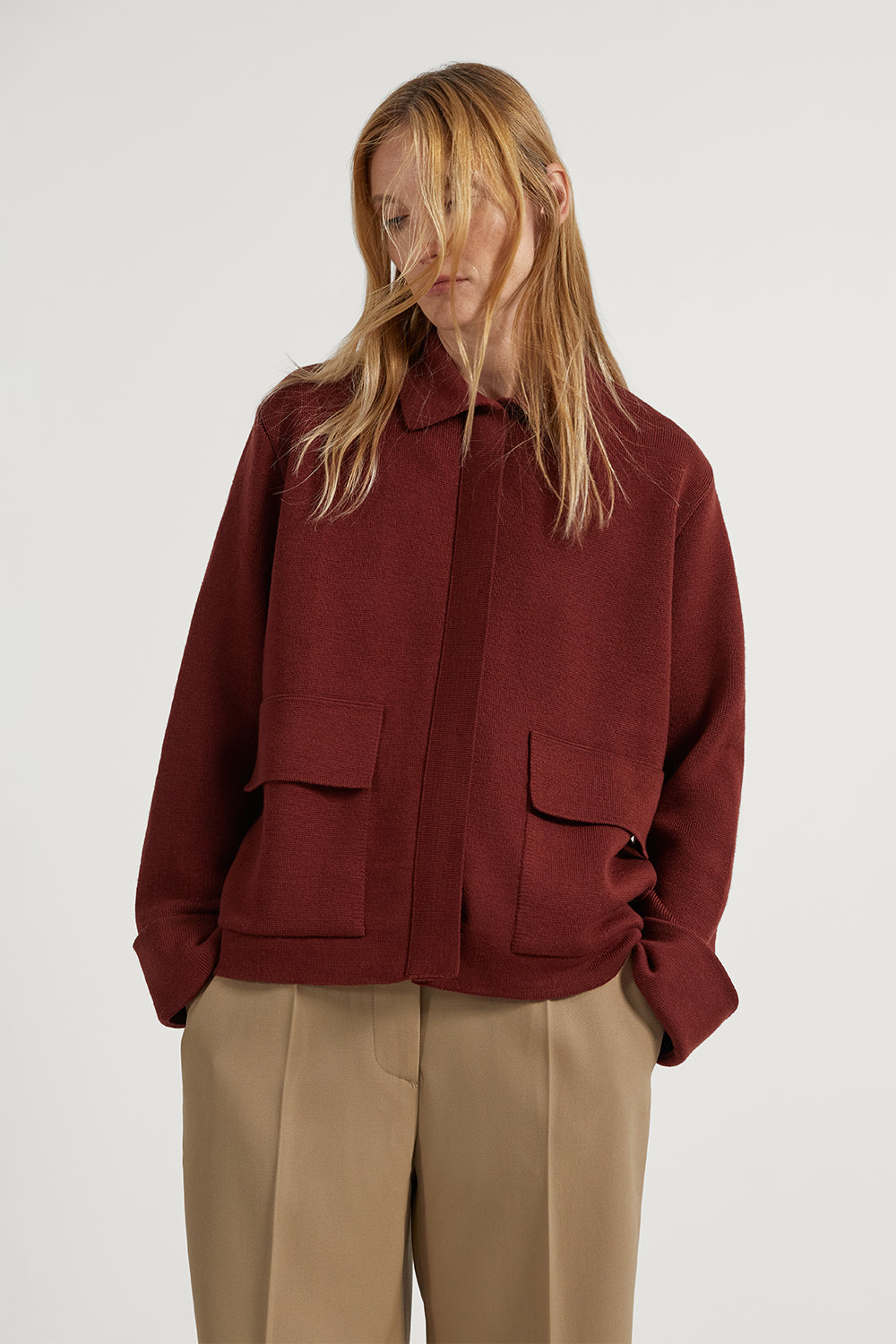
EXTRAFINE MERINO WOOL
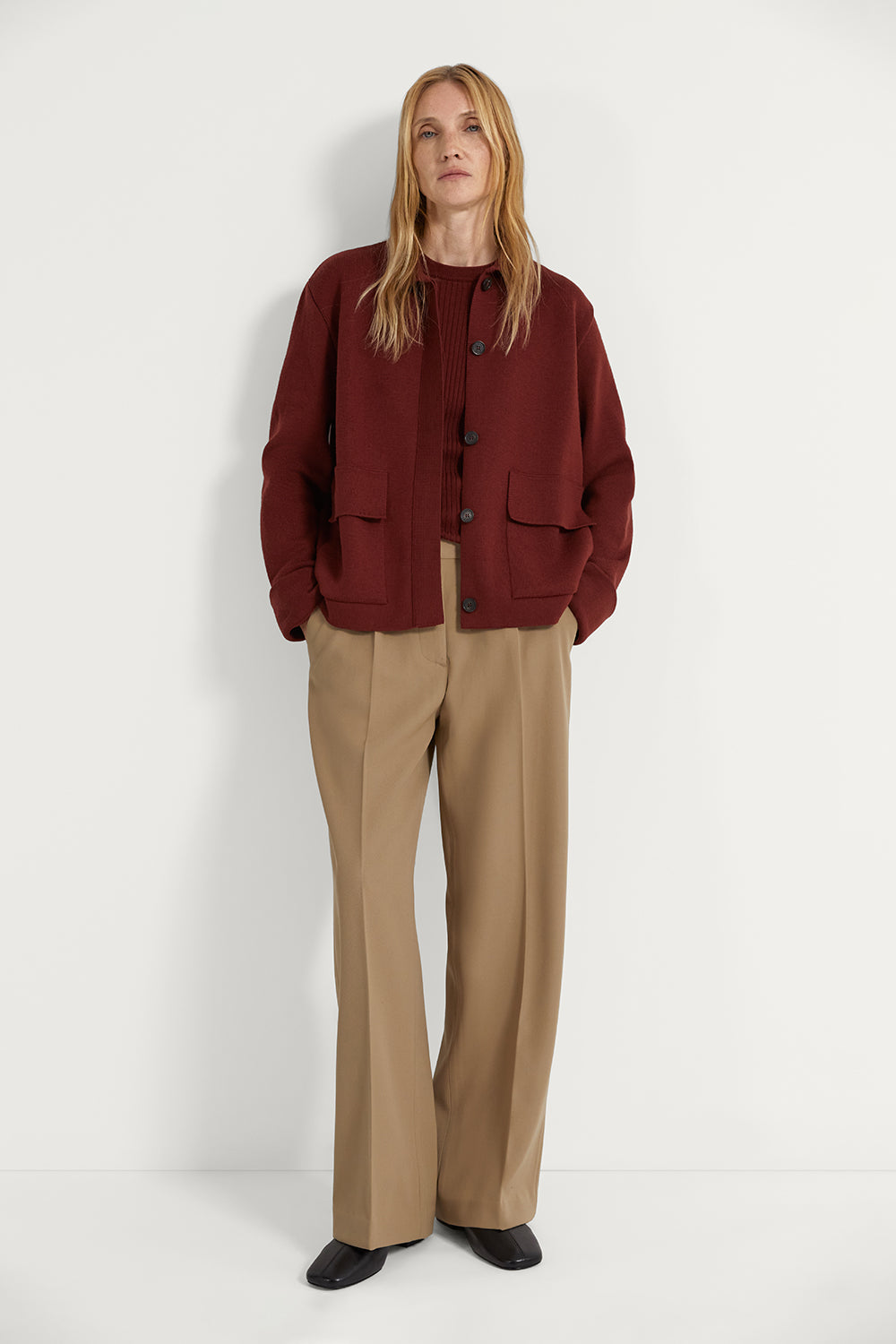
The Merino Wool Jacket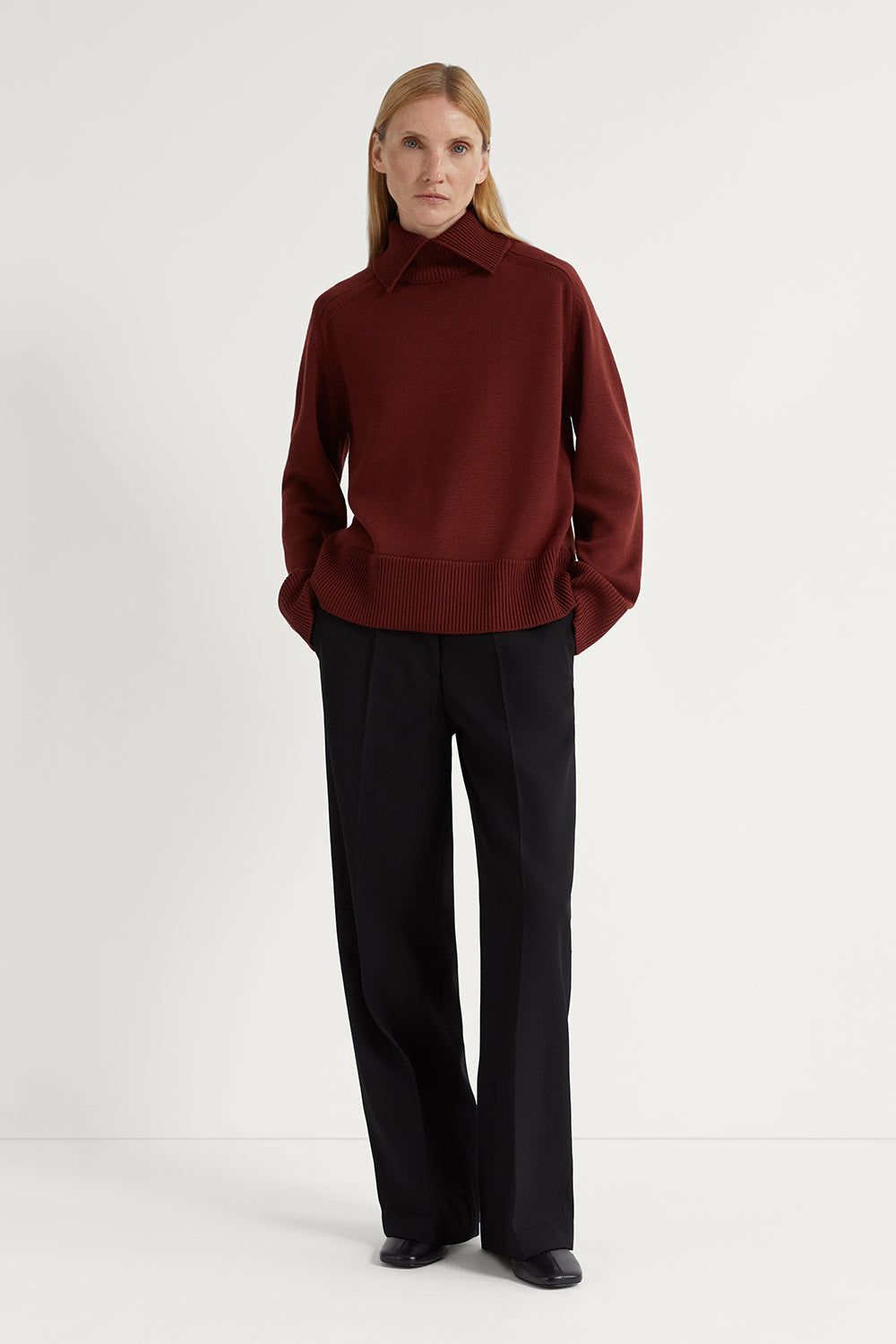
EXTRAFINE MERINO WOOL
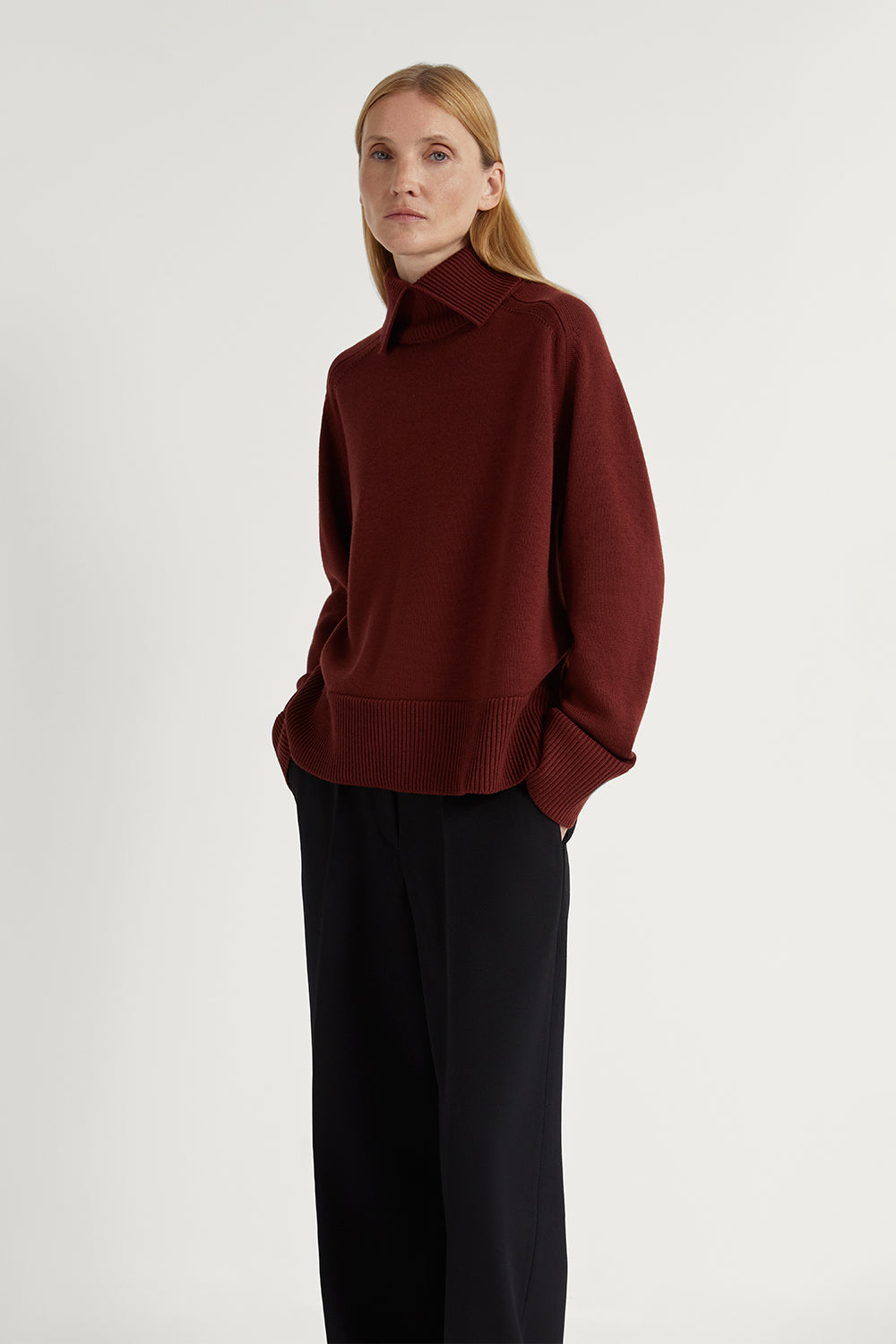
The Merino Wool Boxy Sweater With Special High Neck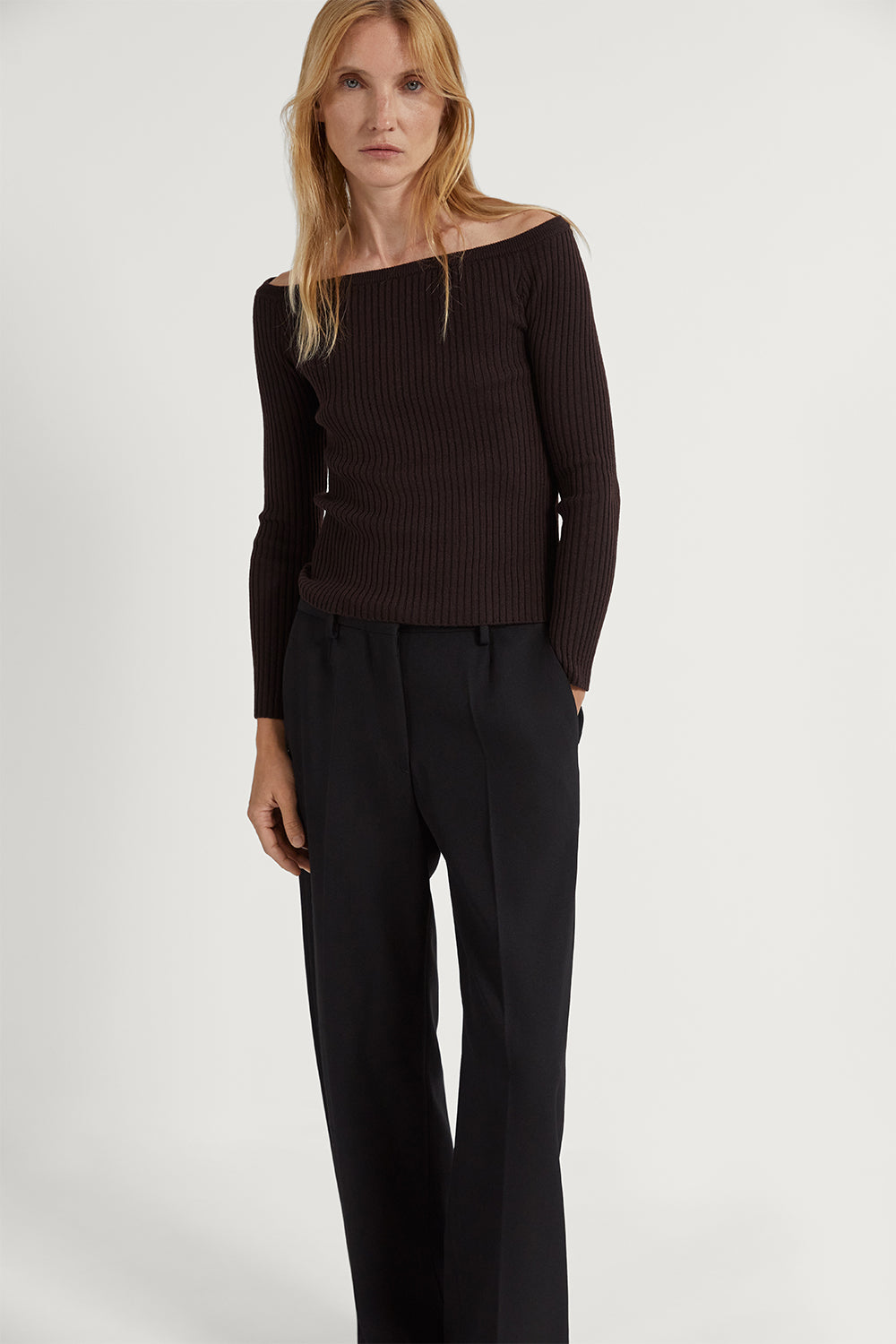
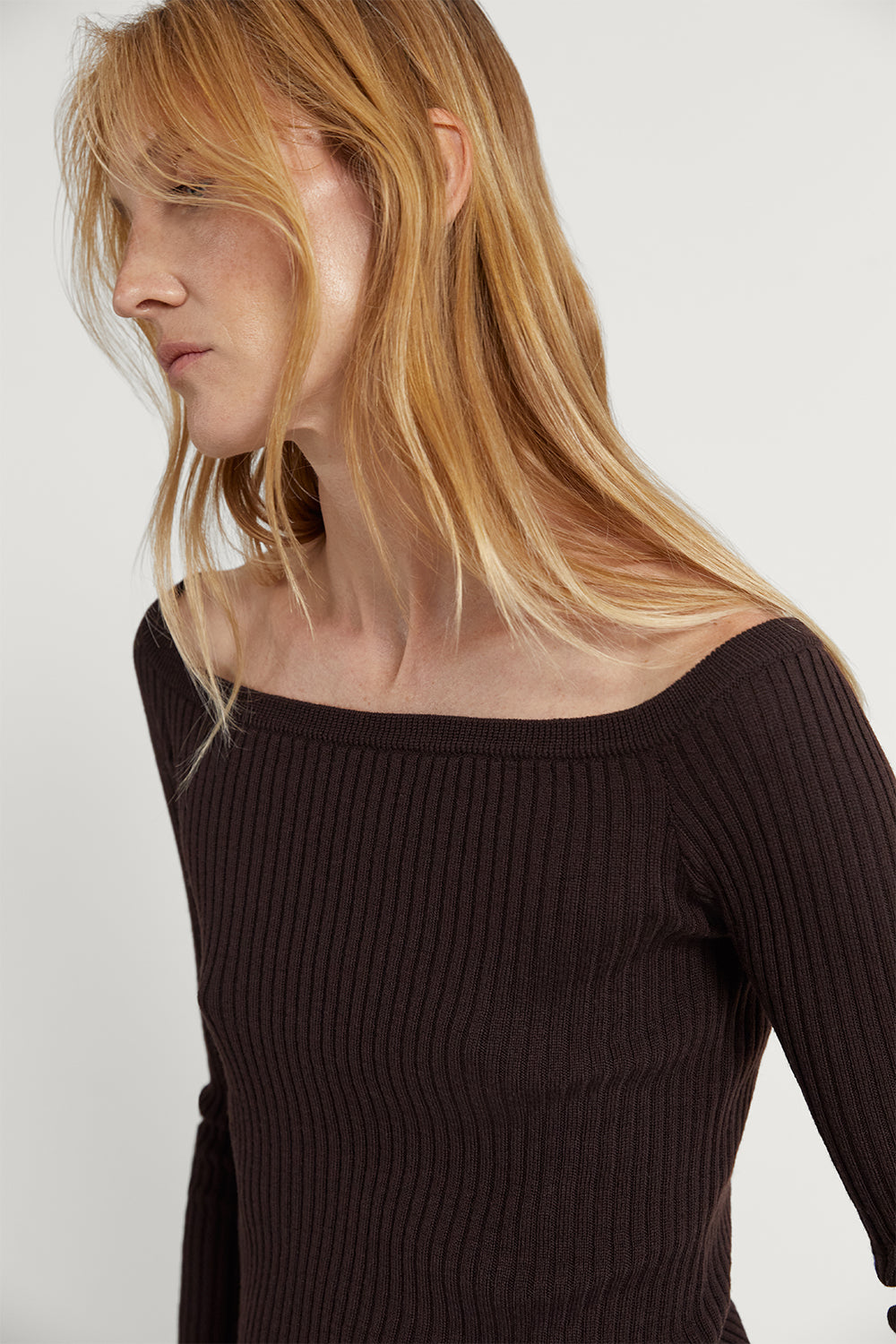
EXTRAFINE MERINO WOOL
The Merino Wool Off-The-Shoulder Top

EXTRAFINE MERINO WOOL
The Merino Wool Boxy Sweater With Special High Neck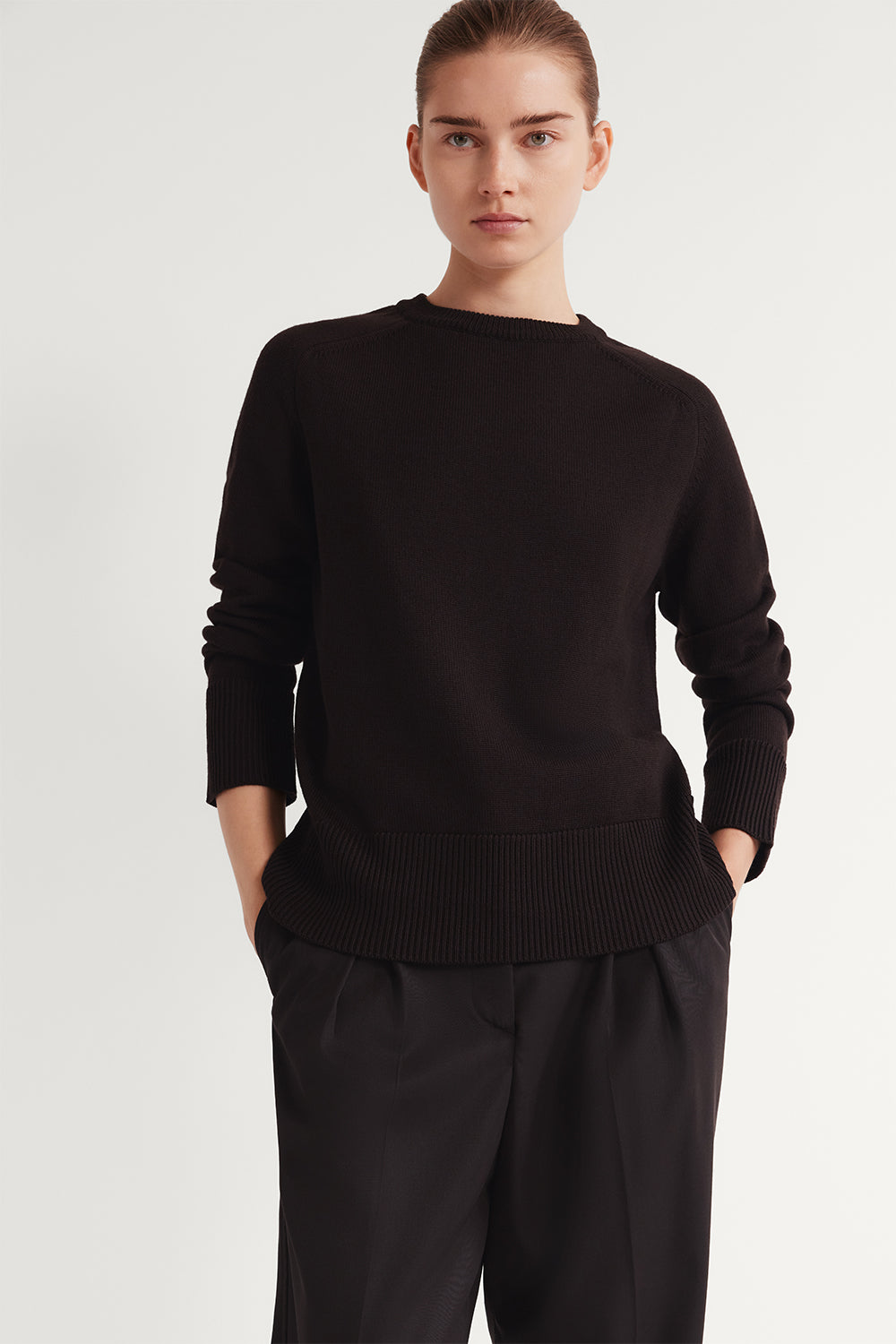
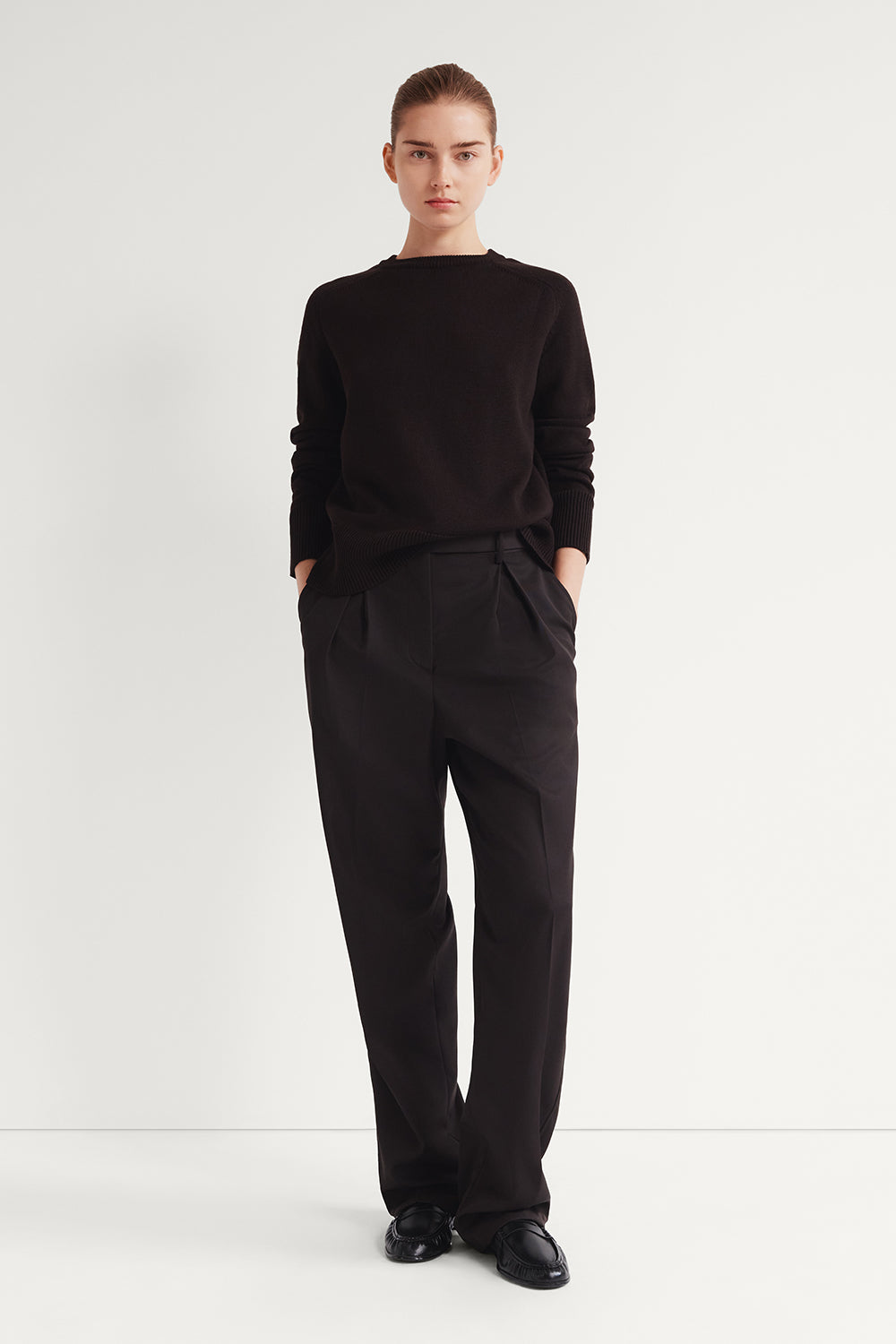
EXTRAFINE MERINO WOOL
The Merino Wool Boxy Sweater

EXTRAFINE MERINO WOOL
The Merino Wool Jacket

EXTRAFINE MERINO WOOL
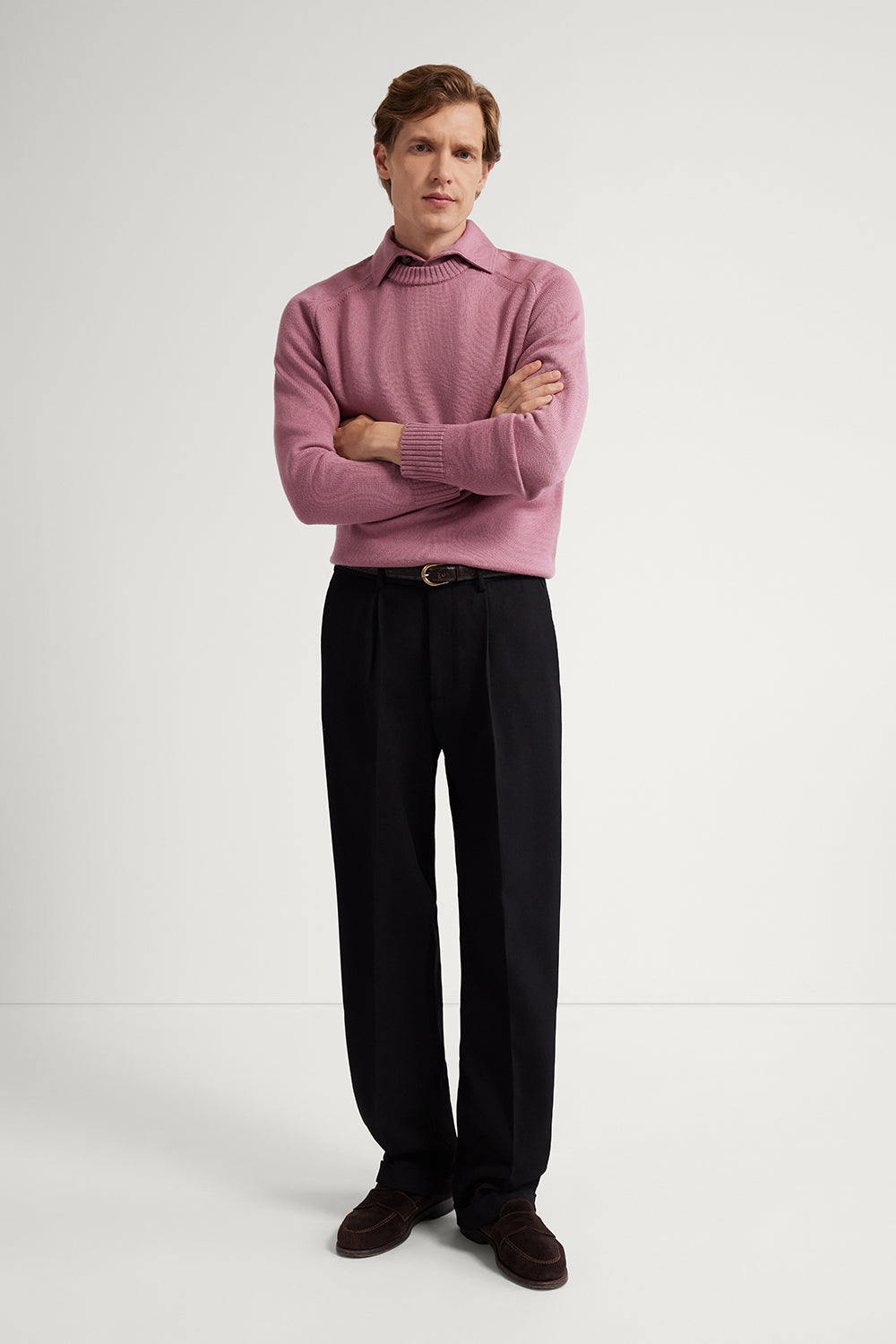
The Merino Wool Sartorial Polo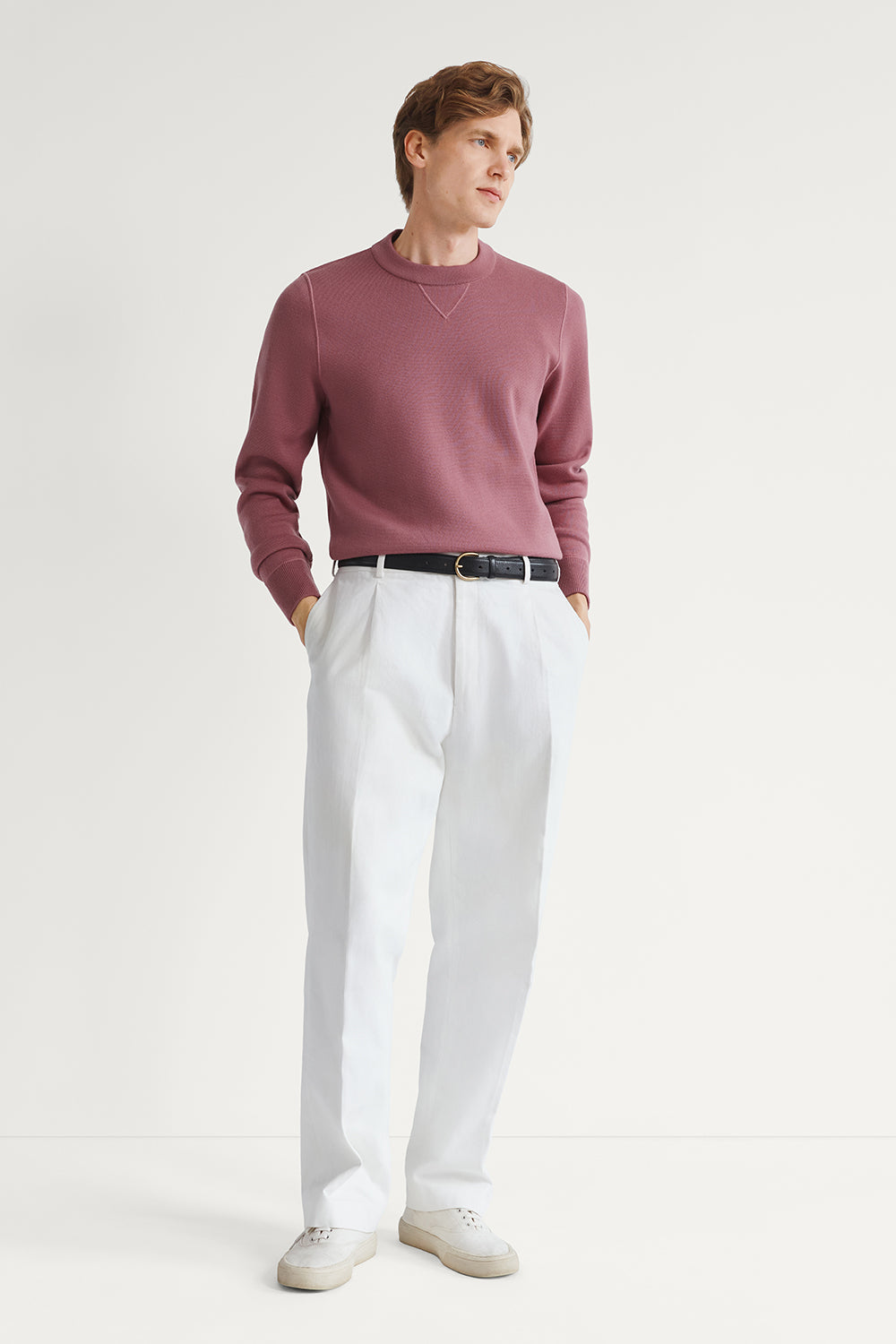
EXTRAFINE MERINO WOOL
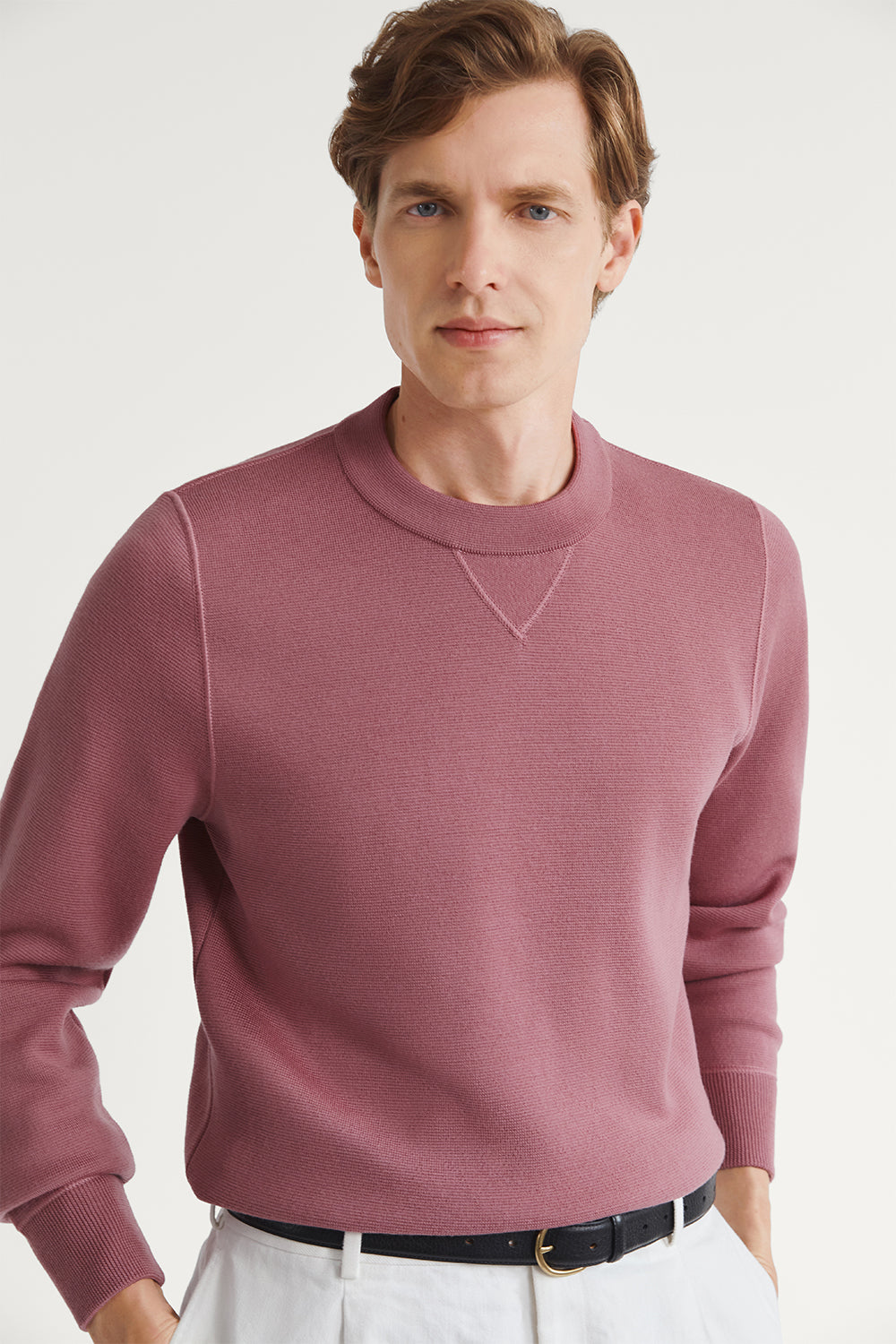
The Merino Wool Sweatshirt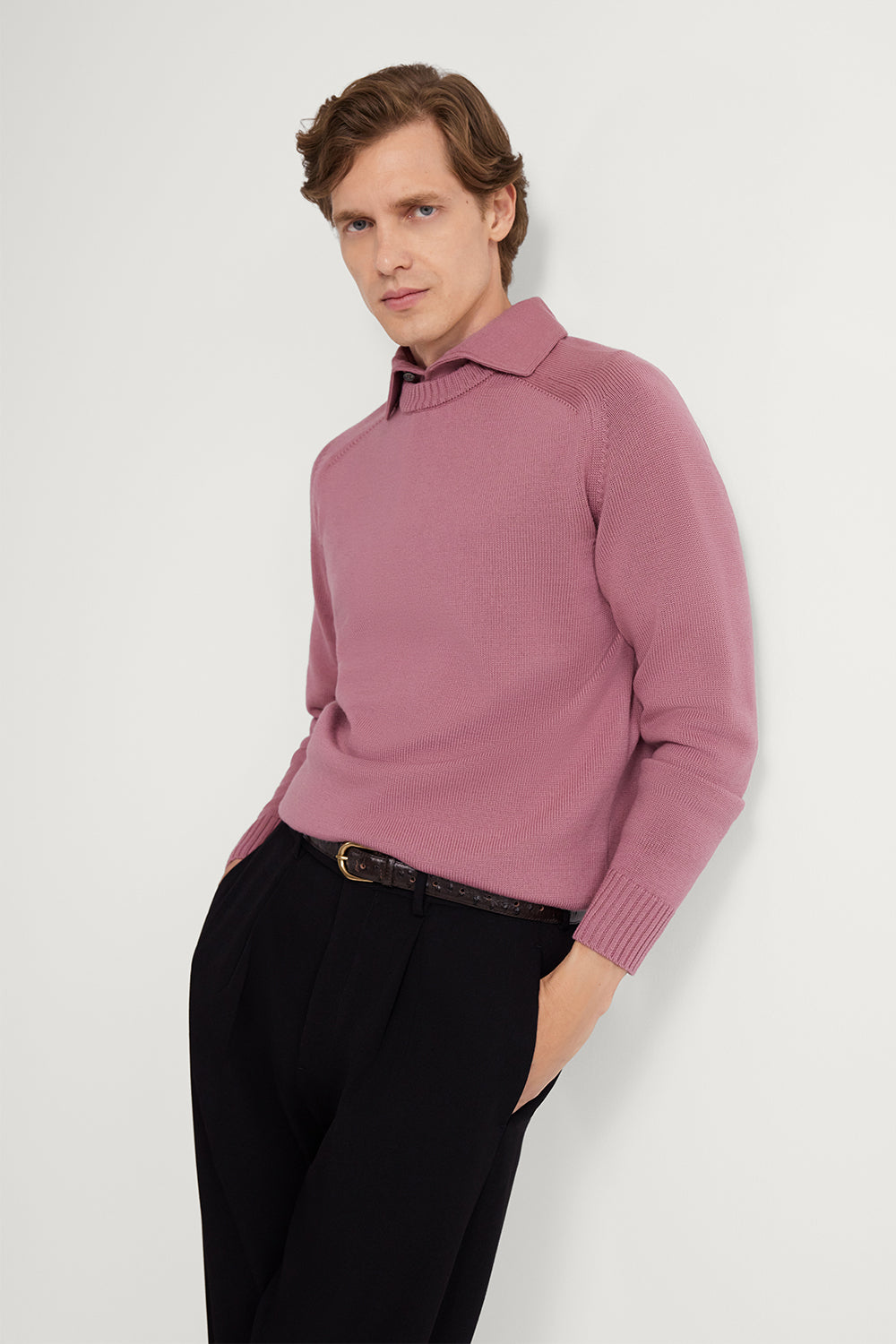
EXTRAFINE MERINO WOOL
The Merino Wool Saddle Shoulder Sweater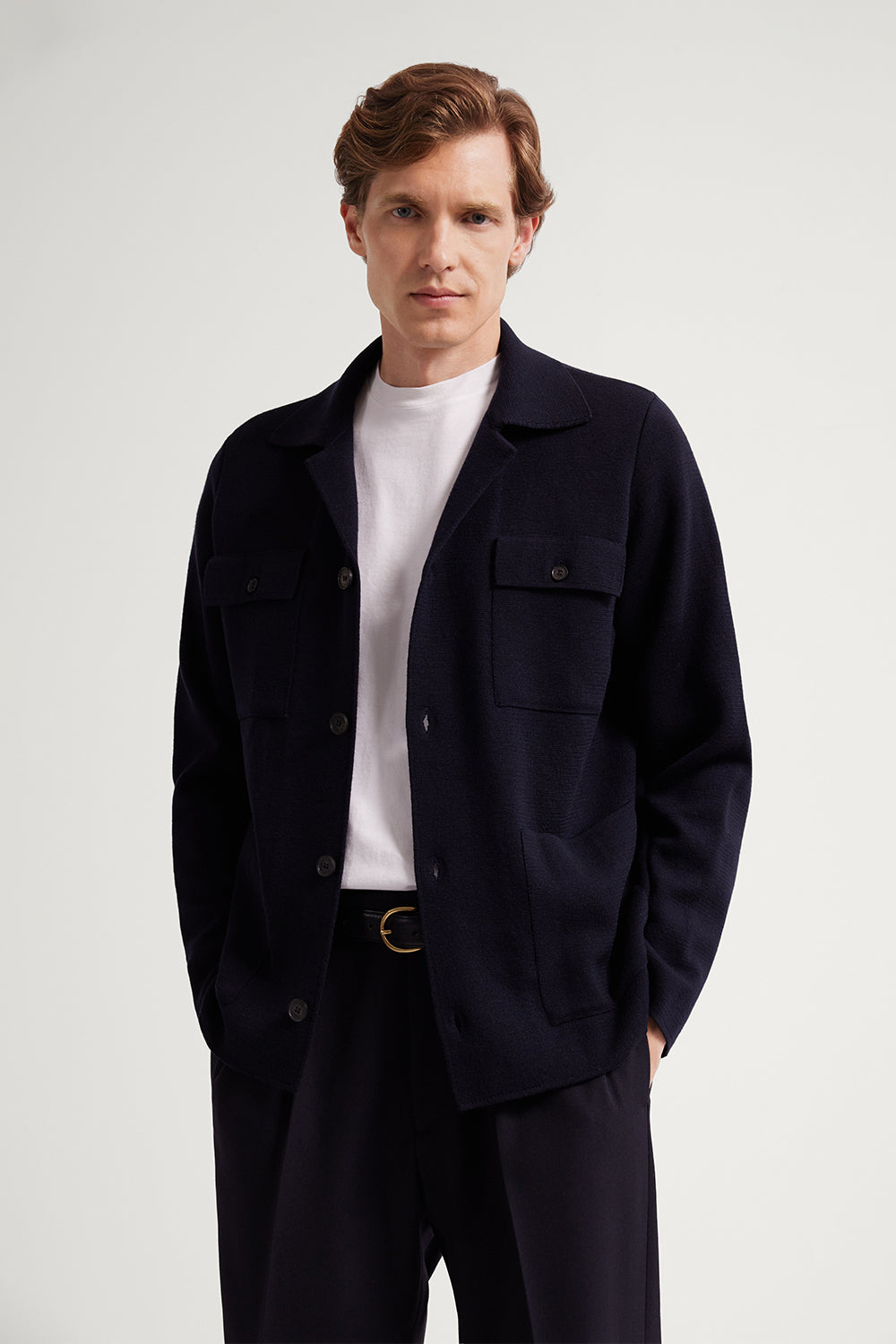
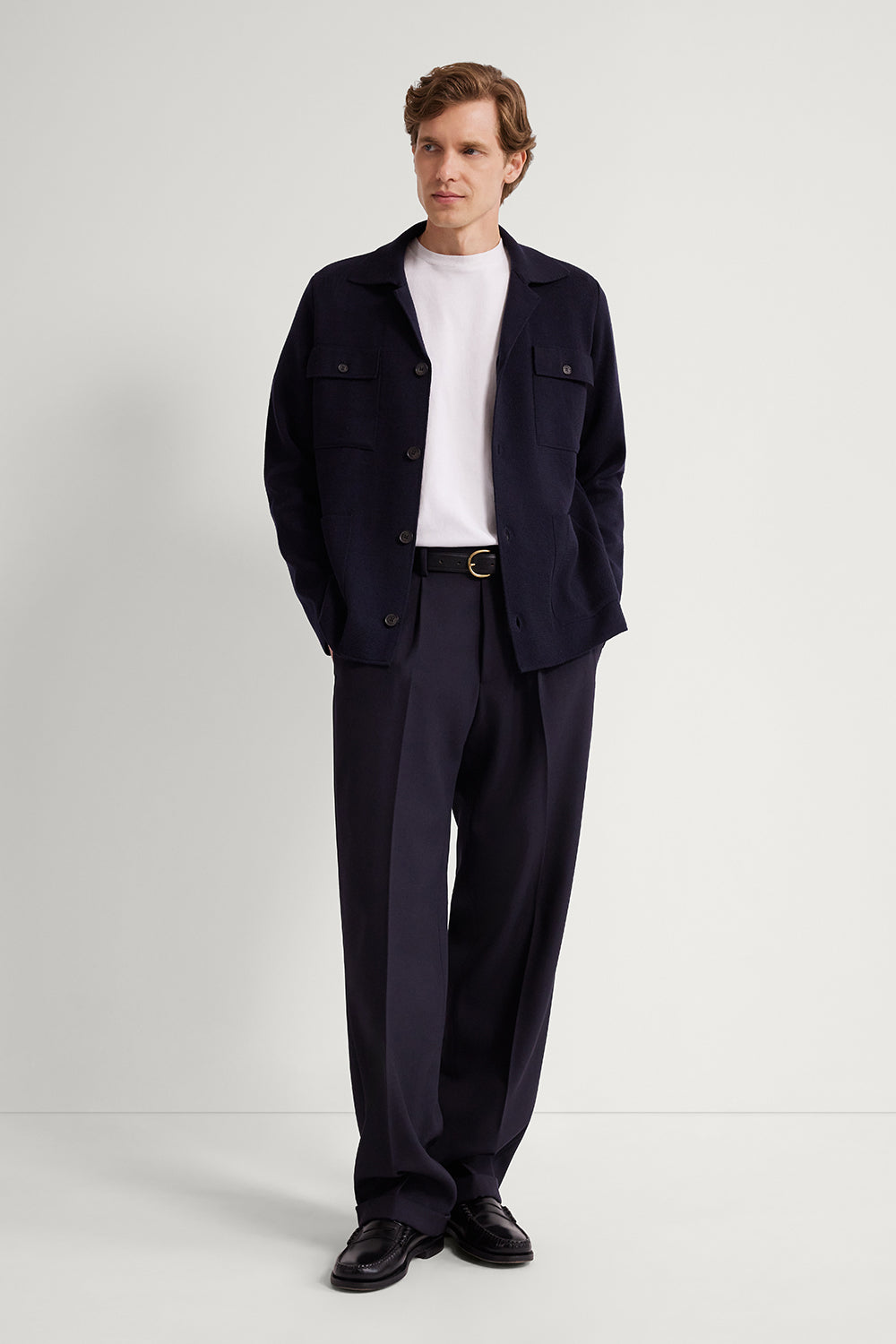
EXTRAFINE MERINO WOOL
The Merino Wool Bowling Collar Jacket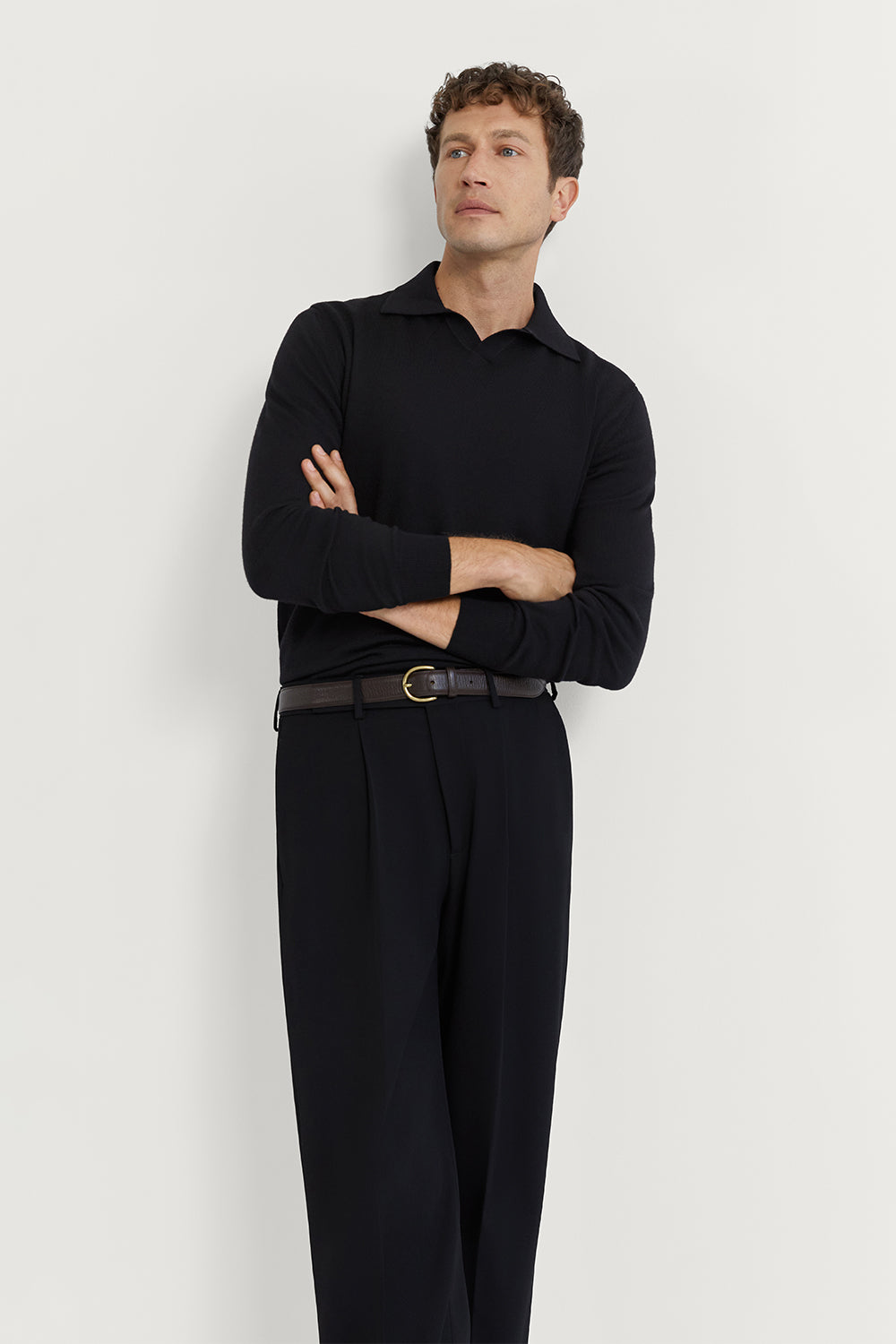
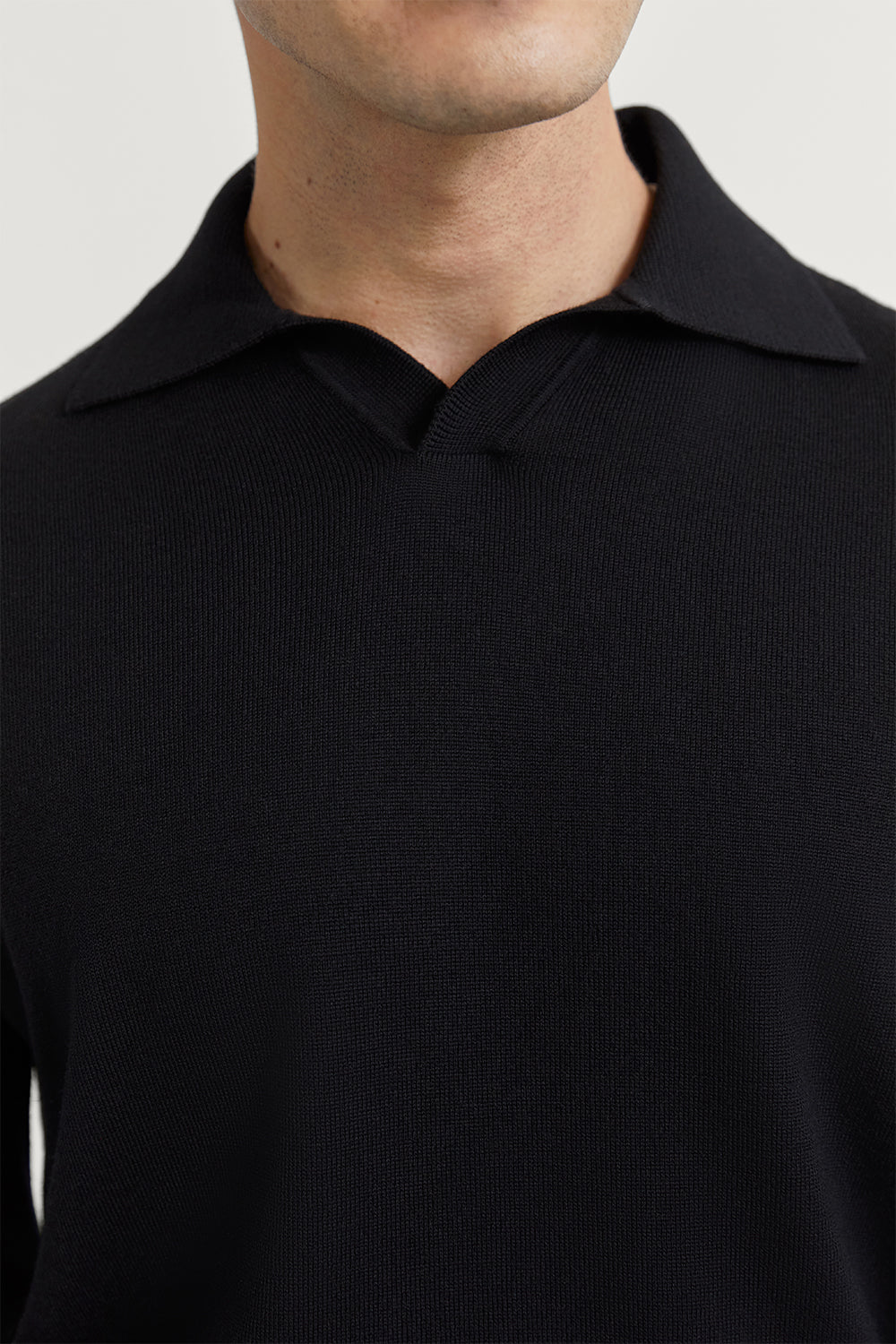
EXTRAFINE MERINO WOOL
The Merino Wool Buttonless Polo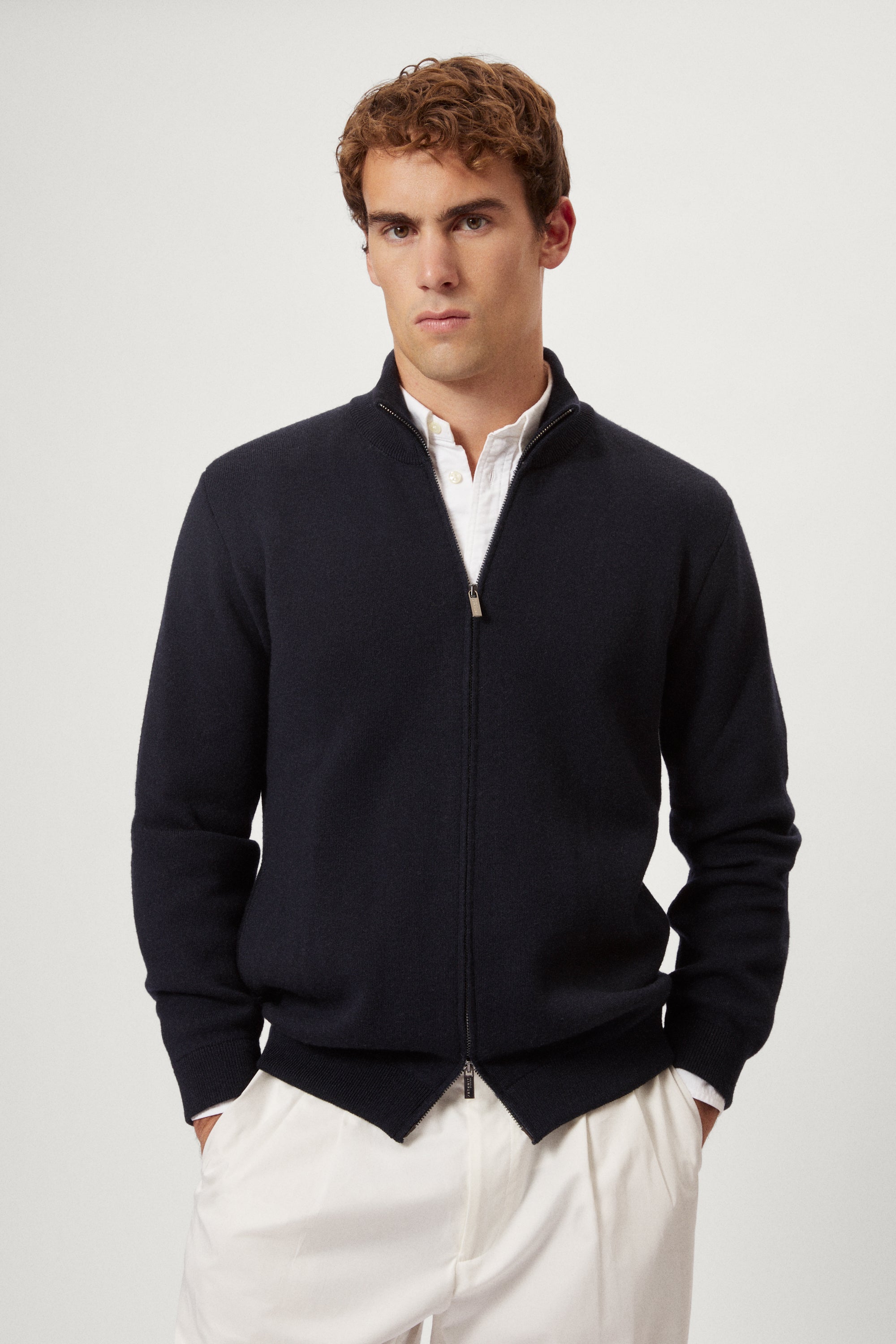
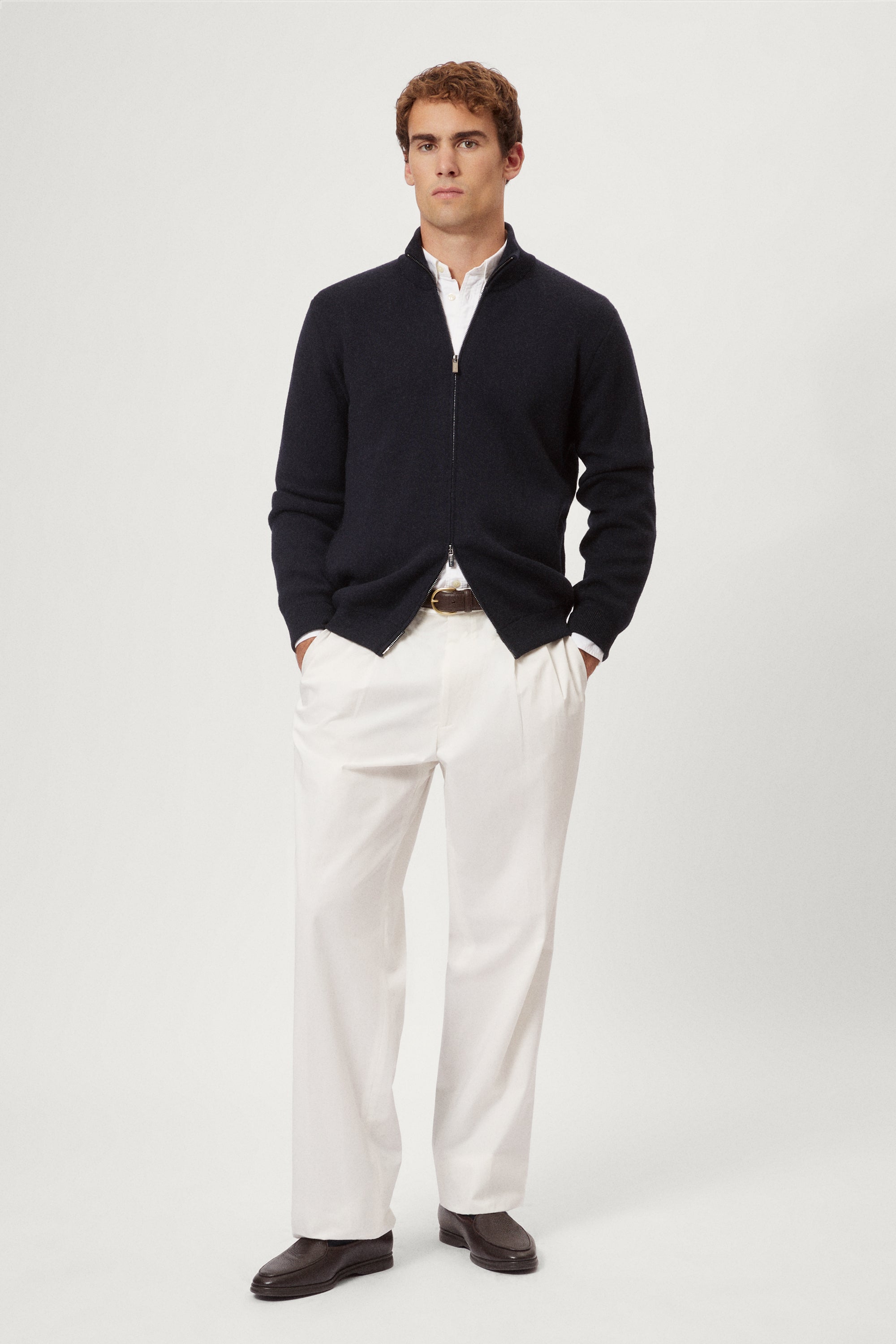
EXTRAFINE MERINO WOOL
The Merino Wool Lightweight Bomber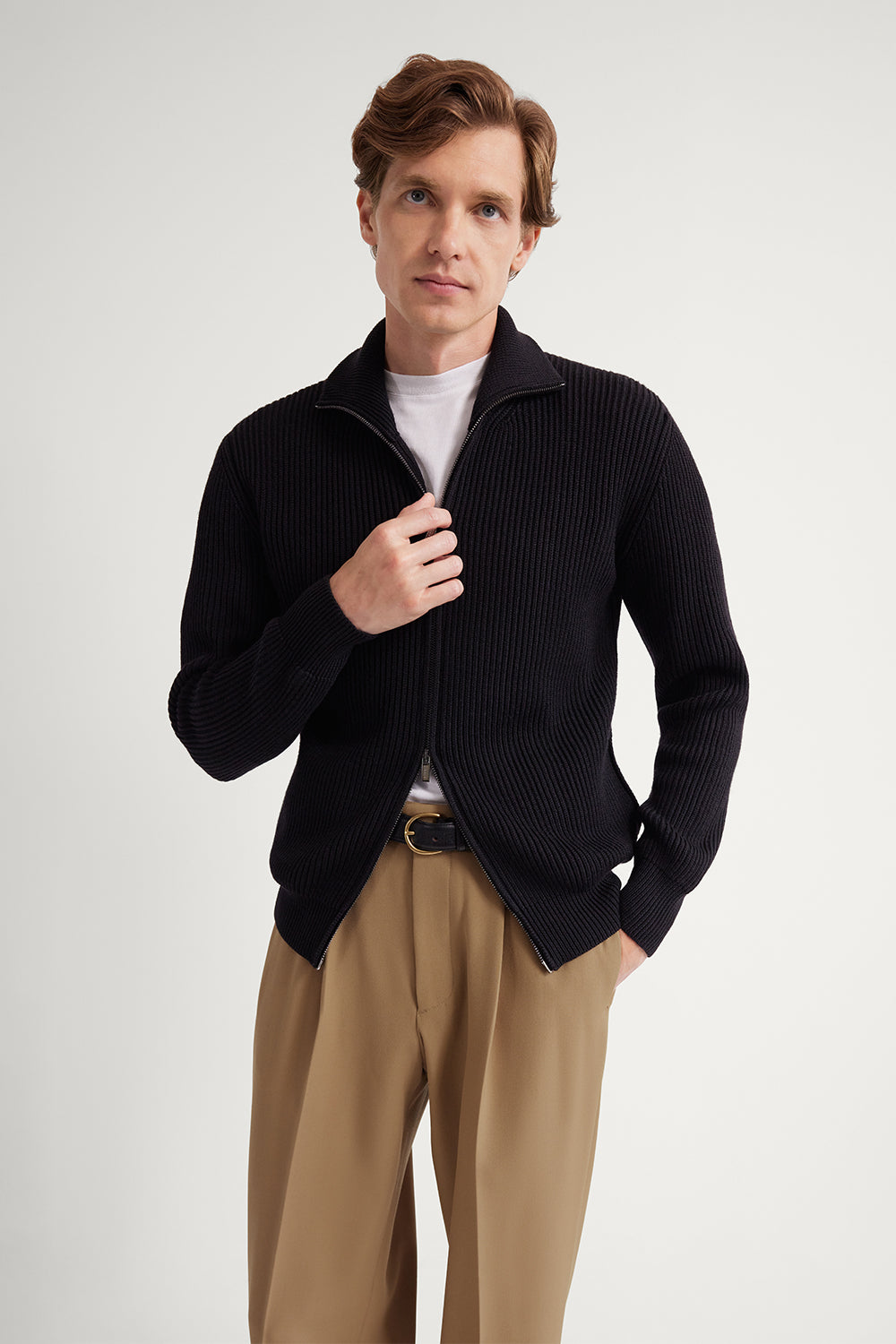
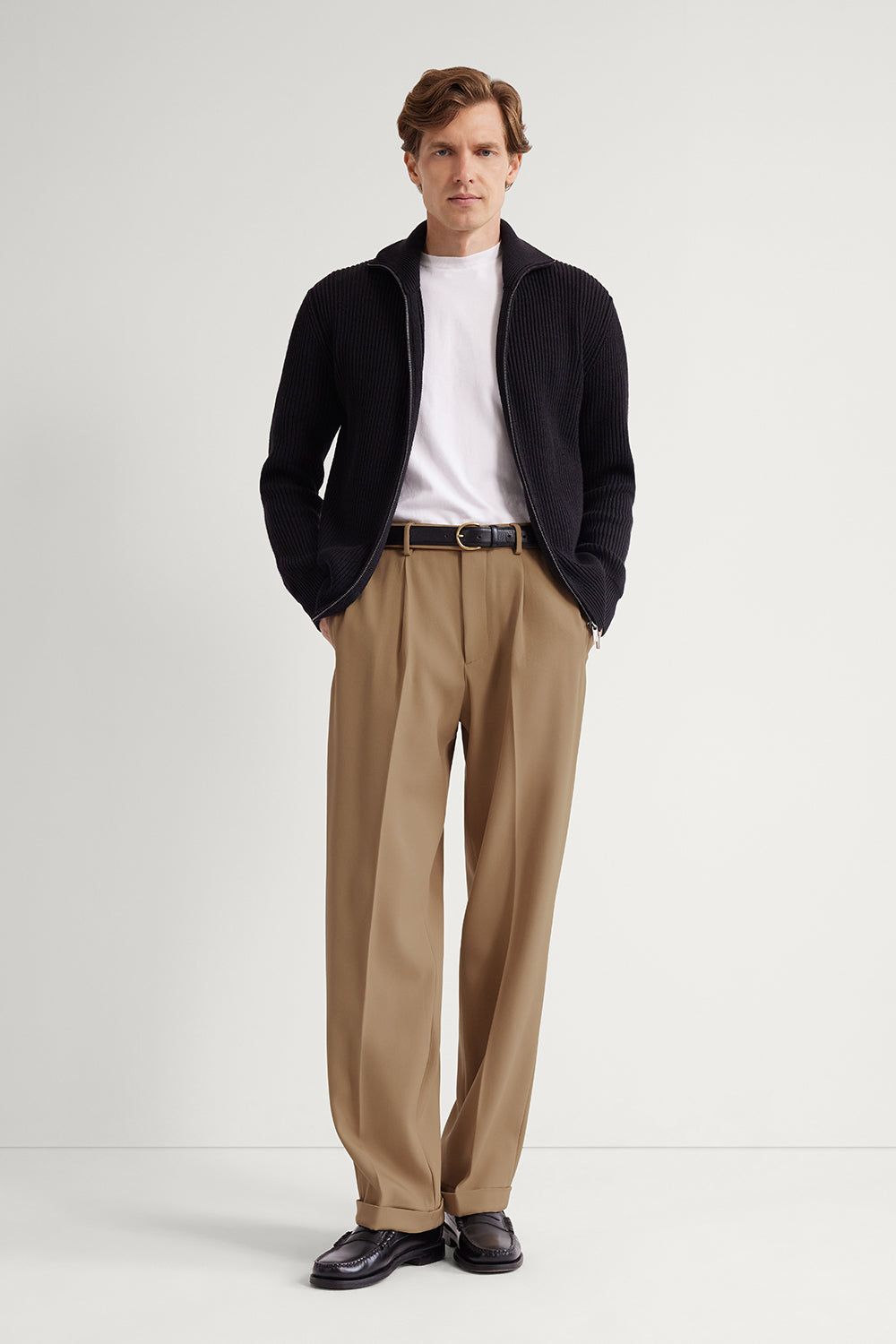
EXTRAFINE MERINO WOOL
The Merino Wool Polo Collar Zip Cardigan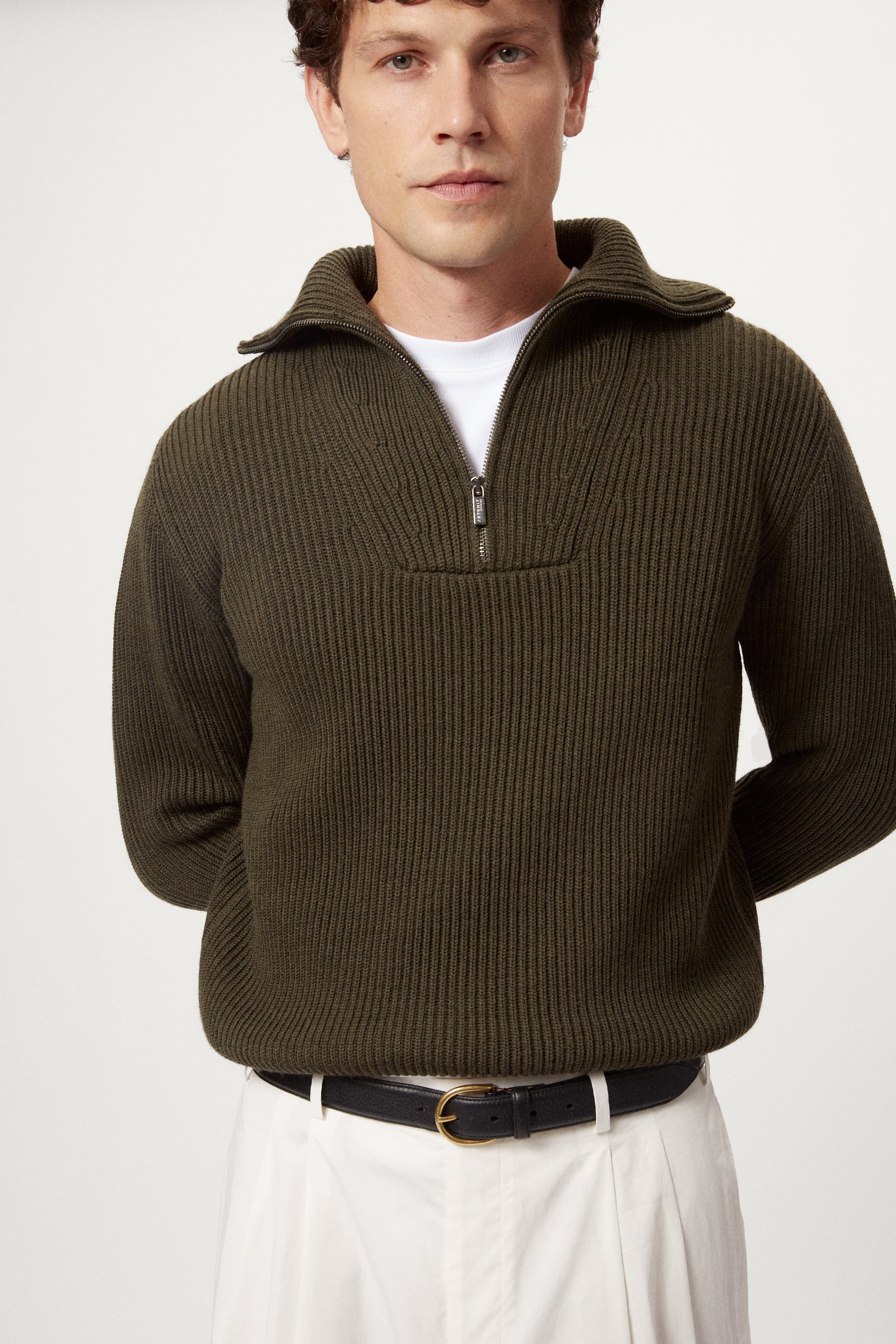

EXTRAFINE MERINO WOOL
The Merino Wool Polo Collar Half-Zip SweaterSources
National Museum of Australia
Shetland Sheep Society and Shetland Islands Council
Woolmark
Victoria and Albert Museum
DocBi – Centro Studi Biellesi e Museimpresa
ATL Biella
UNESCO Creative Cities Network
MAM-e / Missoni archive
Artknit Studios

WORLDWIDE SHIPPING AND EASY RETURNS
Shipping is free within the EU for orders over €250. Size exchanges are free in the EU, and returns are quick and easy, with our customer service ready to assist you.

ORDER ONLINE AND PICK UP YOUR ORDER
Choose between in-store pickup or InPost 24/7 Locker & Pickup Points at checkout, and collect your order whenever and wherever it suits you best with no shipping costs for in-store pickup.

PAY A LITTLE AT A TIME
You can pay directly from our website in three monthly installments without interest, by selecting Scalapay at checkout and creating an account in just two minutes.

DIGITAL PRODUCT PASSPORT
You can always know who crafted your piece and where the raw material came from by going through its journey on every product page.

THE REPAIR PROGRAM
The Repair Program aims to make your Artknit’s pieces look as good as new, in order to reduce waste and extend your knits’ lifecycle.