









Earth Overshoot Day is the date on which global demand for natural resources - food, water, energy, CO₂ absorption - exceeds the capacity
of ecosystems to regenerate over twelve months. From that day onward, we live in ecological debt.
Globally, Overshoot Day in 2025 was reached on July 24. In 2000 at the end of September. In 1990 in mid-October. In 1971, on December 25.
The trajectory is clear, and worrying: we are running out of available resources earlier and earlier.
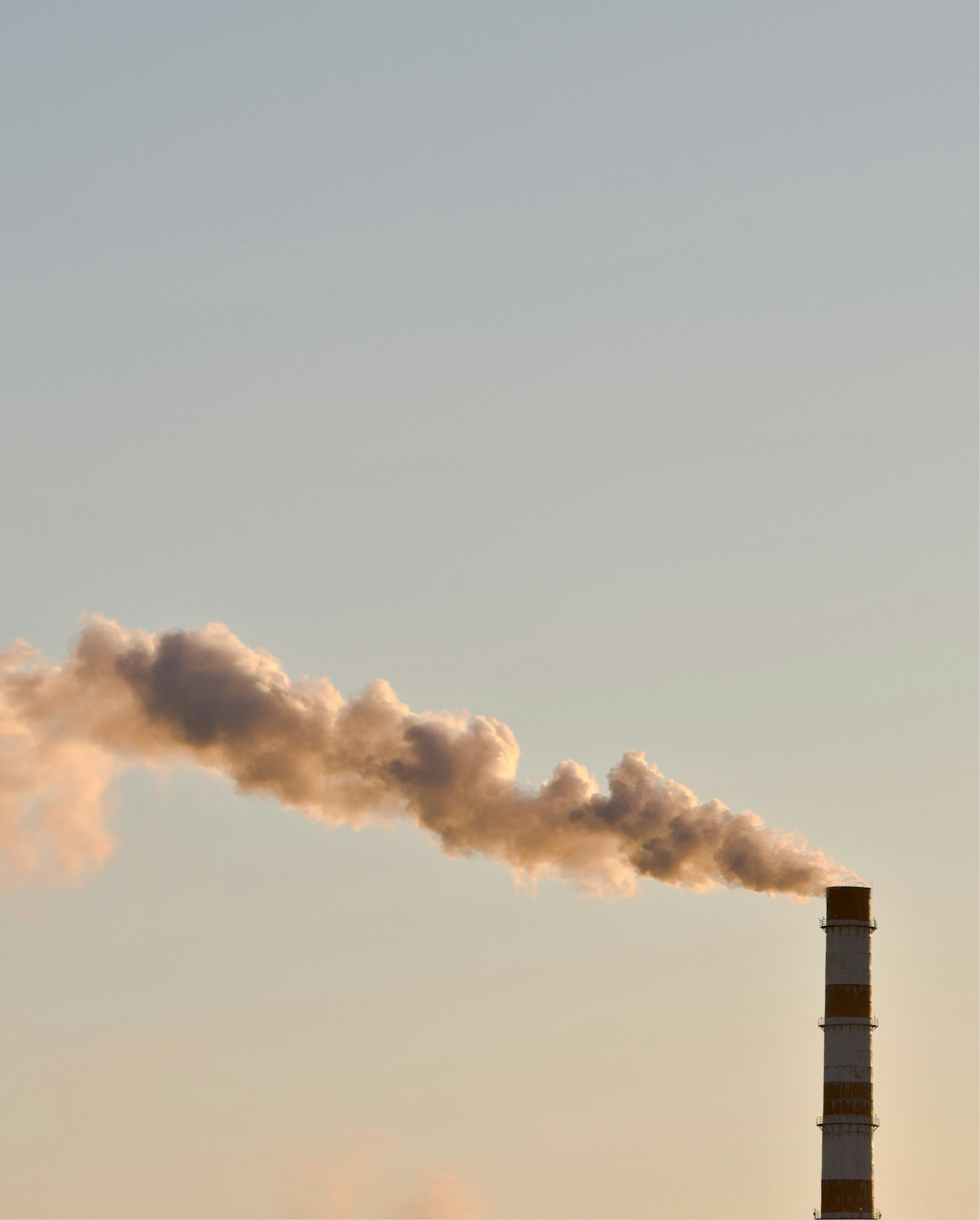
Earth Overshoot Day is calculated each year by the Global Footprint Network, an international sustainability research organisation,
in collaboration with York University. The formula is simple. On one side, there is the Earth's biocapacity: the amount of biological resources
the planet is able to produce and regenerate in a year - forests, farmland, marine areas, CO₂ absorption capacity.
On the other, there is the ecological footprint: everything that human activities consume and produce in that same year.
When the second exceeds the first, we enter overshoot.
The ecological deficit is not an abstract concept. Accelerated deforestation, soil erosion, biodiversity loss, groundwater depletion,
ocean acidification and CO₂ accumulation in the atmosphere. The repercussions take the form of increasingly frequent extreme weather events,
drops in food production and resource instability.
The Global Footprint Network also calculates the Country Overshoot Day for each nation. For Italy, in 2026, that date is 3 May,
three days earlier than in 2025, and coincides with the average for the entire European Union.
Italy's ecological footprint is driven by: the carbon footprint linked to fossil fuels, the food footprint, private transport and consumer goods
- including fashion.
Fashion and Overshoot Day: a relationship we cannot ignore
Among the sectors contributing to the acceleration of Earth Overshoot Day, the fashion industry holds a prominent place, often underestimated.
Emissions
The textile and fashion sector
is responsible for a significant share
of global greenhouse gas emissions - between 2% and 10% depending on the calculation methodology, with some estimates even reaching 10% when all stages of the supply chain are considered.
Water consumption
The textile supply chain consumes between 93 and 215 billion cubic metres of water every year. The washing of synthetic garments also releases microplastics into the oceans, contributing 9% to annual global microfibre pollution.
Textile waste
Around 92 million tonnes of textile waste are produced worldwide every year. Less than 1% of materials used to make garments is recycled into new ones. The fast fashion model has reduced the average lifespan of a garment to 7–10 uses before it is discarded.
Synthetic fibres
About 60% of all materials used by the fashion industry are plastic-based, i.e. derived from fossil fuels. This means that a significant proportion of what we wear is directly linked to the extraction of non-renewable resources.
Every purchase is an ecological decision. The more consciously we choose, the fewer resources are consumed.
Choosing responsible fashion means reducing one's individual ecological footprint in a concrete and measurable way. It means prioritising natural and traceable materials, short and transparent supply chains, and production processes with lower water and energy impact.
It also means changing habits: buying less, but better.
The shift from a linear economy (produce, consume, discard) to a circular one, in which materials are kept in use for as long as possible, is one of the most effective structural transformations that consumers and companies can make to help push back the date of Overshoot Day.
In textiles, this means investing in repair, garment care, recycling and transparent communication.

Our model is founded on the conviction that quality and responsibility go hand in hand.
Every choice we make is a concrete contribution to reducing the ecological impact of the fashion sector. 100% of our garments are made from certified and traceable natural materials, selected for their quality, durability and lower environmental impact compared to synthetic fibres. Our supply chains are short and transparent, and we have launched repair and garment care programmes.
We believe in responsible production, far from the logic of overproduction and seasonal trends: this is why we create essential, timeless garments, designed to last for years both in style and quality.
We believe fashion can be a sector that gives value back to ecosystems, and that change begins with everyday choices. Pushing back the date of Overshoot Day is not a task for future generations.
It is something we can do now, including through what we choose to wear.
SOURCE:
Global Footprint Network
York University / FoDaFo
WWF Italia
Economia Circolare
UNEP
Geneva Environment Network
Earth.org
Ellen MacArthur Foundation
Circularity Gap Report Textiles

WORLDWIDE SHIPPING AND EASY RETURNS
Shipping is free within the EU for orders over €250. Size exchanges are free in the EU, and returns are quick and easy, with our customer service ready to assist you.

ORDER ONLINE AND PICK UP YOUR ORDER
Choose between in-store pickup or InPost 24/7 Locker & Pickup Points at checkout, and collect your order whenever and wherever it suits you best with no shipping costs for in-store pickup.

PAY A LITTLE AT A TIME
You can pay directly from our website in three monthly installments without interest, by selecting Scalapay at checkout and creating an account in just two minutes.

DIGITAL PRODUCT PASSPORT
You can always know who crafted your piece and where the raw material came from by going through its journey on every product page.

THE REPAIR PROGRAM
The Repair Program aims to make your Artknit’s pieces look as good as new, in order to reduce waste and extend your knits’ lifecycle.