







Every year on 22 April, World Earth Day invites us to reflect on an increasingly urgent question:

In the fashion industry, the figures speak for themselves.
The fashion industry generates between 2% and 8% of global CO₂ emissions, is responsible for 20% of global water pollution and, despite growing volumes, only 1% of clothing is recycled
into new pieces.
In recent years, the fast fashion model has also accelerated waste and consumption, increasing pressure on natural resources, energy and water.
A PLANET UNDER PRESSURE: GLOBAL ENVIRONMENTAL DATA

The global average temperature has risenby +1.47°C compared to pre-industrial levels

Over 140,000 km² of land in the European Union has been affected by drought

More than 400 million tonnes
of plastic are produced every year

The theme of Earth Day 2026, “Our Power, Our Planet”, highlights
a simple truth: change comes from the sum of our daily actions.
Every choice has an impact. In the sustainable fashion industry, this impact is particularly evident: from the selection of raw materials to manufacturing processes, right through to the life cycle of pieces. Reducing fashion’s environmental impact means adopting a more conscious and measurable approach: choosing quality materials, reducing waste, prioritising transparent supply chains and investing in products designed to last.
It is not just about consumption, but about responsibility.

The first Earth Day was celebrated on 22 April 1970, when around 20 million Americans hit the streets to demand greater attention to environmental protection. In an era marked by industrialisation and uncontrolled growth, the first signs of crisis were becoming increasingly apparent: polluted rivers, unbreathable air, and ever more frequent environmental disasters.
The initiative, promoted by Senator Gaylord Nelson, marked
the beginning of a new collective awareness. Since then, World Earth Day has helped bring issues that are now fundamental – such as reducing emissions, protecting ecosystems and managing natural resources – to the forefront of the debate.
THE ENVIRONMENTAL IMPACT OF FASHION: INDUSTRY DATA AND CRITICAL ISSUES
The environmental impact of fashion is now one of the most significant globally.

Today, more than 50% of the fibres used worldwide are synthetic, and therefore derived from fossil fuels. This means that a significant proportion of the clothes we wear is linked to the use of non-renewable resources and rising emissions.

The impact also extends to water. The textile industry consumes around 93 billion cubic metres of water every year, and the washing of synthetic garments is responsible for a significant proportion of the microplastics released into the environment.

The fast fashion model, based on rapid, low-cost production, has made garments increasingly accessible but also more easily replaceable, contributing to the rise in textile waste.
Rethinking fashion therefore means moving beyond this model and shifting towards more responsible production.

In addition to emissions and water pollution, the sector is characterised by intensive resource use and an increasingly short product lifecycle. By 2030, global clothing consumption could rise by over 60%, driving up demand for raw materials, energy and water.
Sustainable fashion is also redefining the concept of luxury.
It is no longer about quantity, but about value: the quality of materials, transparency in the supply chain, and durability.
Choosing sustainable fashion means investing in pieces designed to last, made from natural fibres and using more responsible processes.
It means reducing fashion’s environmental impact through more conscious choices.
It is an approach that focuses on raw materials, people’s work and respect for resources.
At Artknit Studios, this commitment translates into concrete actions.
Every piece is the result of careful research into materials: we select high-quality natural fibres, collaborate with Italian manufacturers, and prioritise short, transparent supply chains. We believe in responsible fashion where quality and durability are not compromised, but are our top priorities. We work every day to measure and reduce our environmental impact: from the choice of materials to packaging, right through to production processes.
Because change comes from daily, responsible and verifiable decisions that can help reduce the pressure on the planet.


SOURCE:
UN Environment Programme
European Environment Agency
United Nations
UNECE (United Nations Economic Commission for Europe)
Parlamento Europeo
Textile Exchange
Copernicus
Global Fashion Agenda
McKinsey & Company
Nature Portfolio
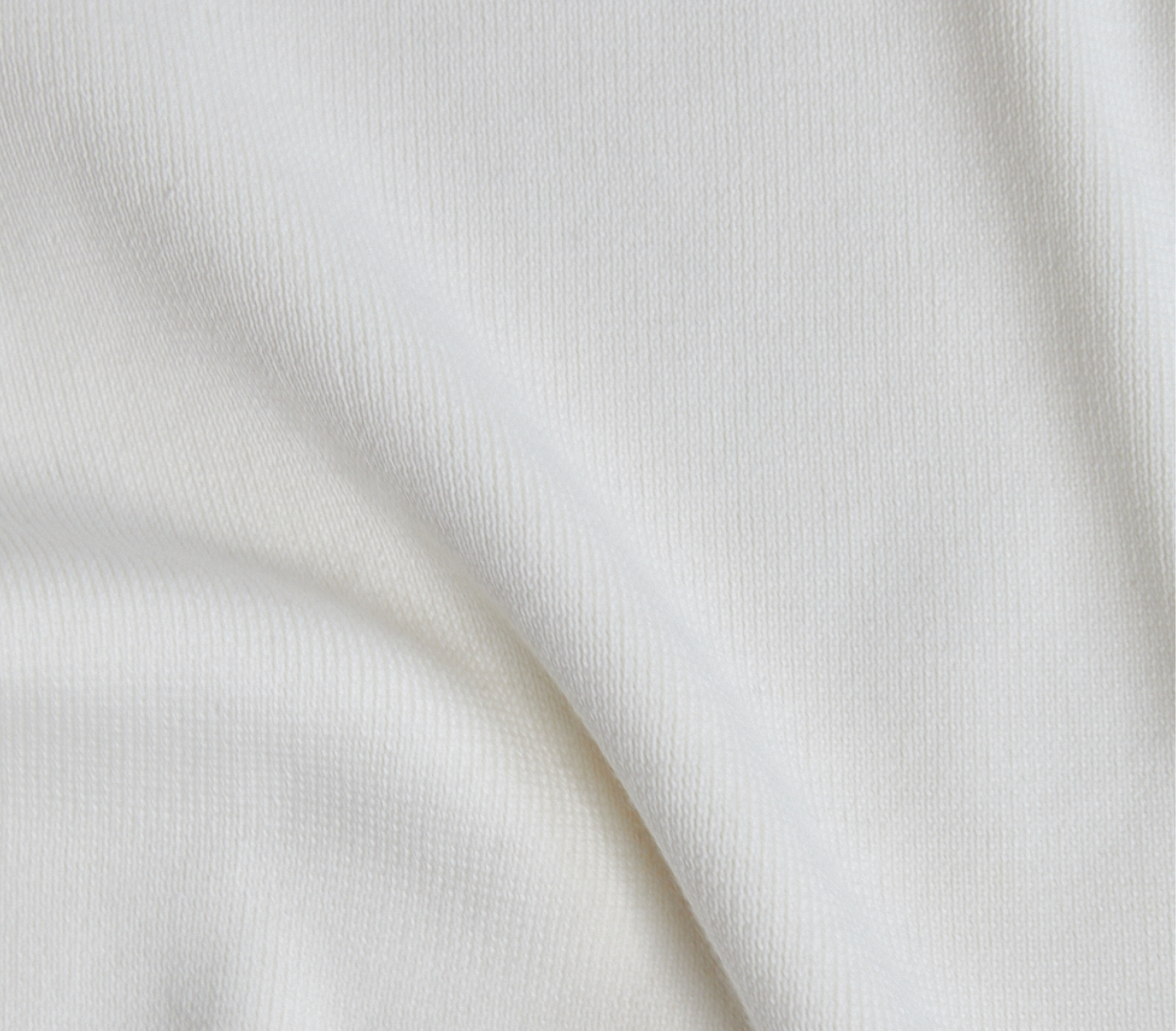
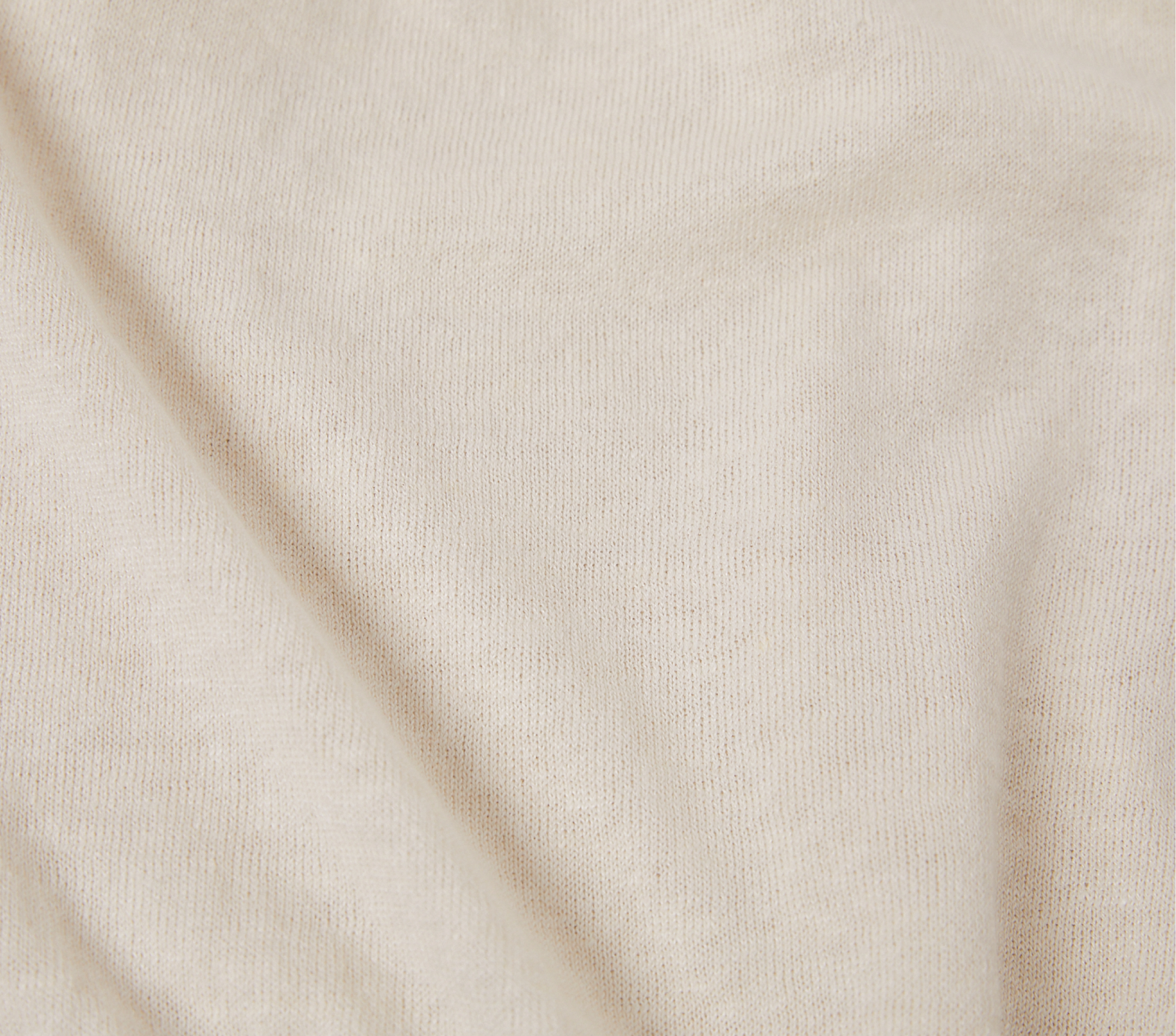
OUR NATURAL MATERIALS
SUSTAINABILITY STARTS WITH THE RIGHT MATERIALS
BRINGING NATURAL ELEGANCE SEASON AFTER SEASON.

WORLDWIDE SHIPPING AND EASY RETURNS
Shipping is free within the EU for orders over €250. Size exchanges are free in the EU, and returns are quick and easy, with our customer service ready to assist you.

ORDER ONLINE AND PICK UP YOUR ORDER
Choose between in-store pickup or InPost 24/7 Locker & Pickup Points at checkout, and collect your order whenever and wherever it suits you best with no shipping costs for in-store pickup.

PAY A LITTLE AT A TIME
You can pay directly from our website in three monthly installments without interest, by selecting Scalapay at checkout and creating an account in just two minutes.

DIGITAL PRODUCT PASSPORT
You can always know who crafted your piece and where the raw material came from by going through its journey on every product page.

THE REPAIR PROGRAM
The Repair Program aims to make your Artknit’s pieces look as good as new, in order to reduce waste and extend your knits’ lifecycle.