








Every year, on 8 June, the world celebrates World Ocean Day, a recurring event established by the United Nations in 2008 to refocus attention on what covers 70% of the Earth's surface, produces approximately half of the oxygen we breathe, and absorbs almost one third of the CO₂ emissions generated by human activity. The oceans regulate temperatures across the planet. Without them, climate systems would collapse.

World Ocean Day was first proposed at the Rio de Janeiro Earth Summit in 1992, receiving official United Nations recognition in 2008. It was created to raise public awareness of the impacts of human activity — from pollution to overfishing — and to build a global movement for marine protection.
The deterioration of the oceans is advancing on multiple fronts. Global ocean temperature has risen by 1.35°C compared to the early twentieth century, and the frequency of marine heatwaves has doubled since 1982. Furthermore, acidification, caused by the absorption of excess CO₂,
is altering the chemistry of the waters.
Among the industries contributing to the pressure on marine ecosystems, fashion occupies a significant and often underestimated role.
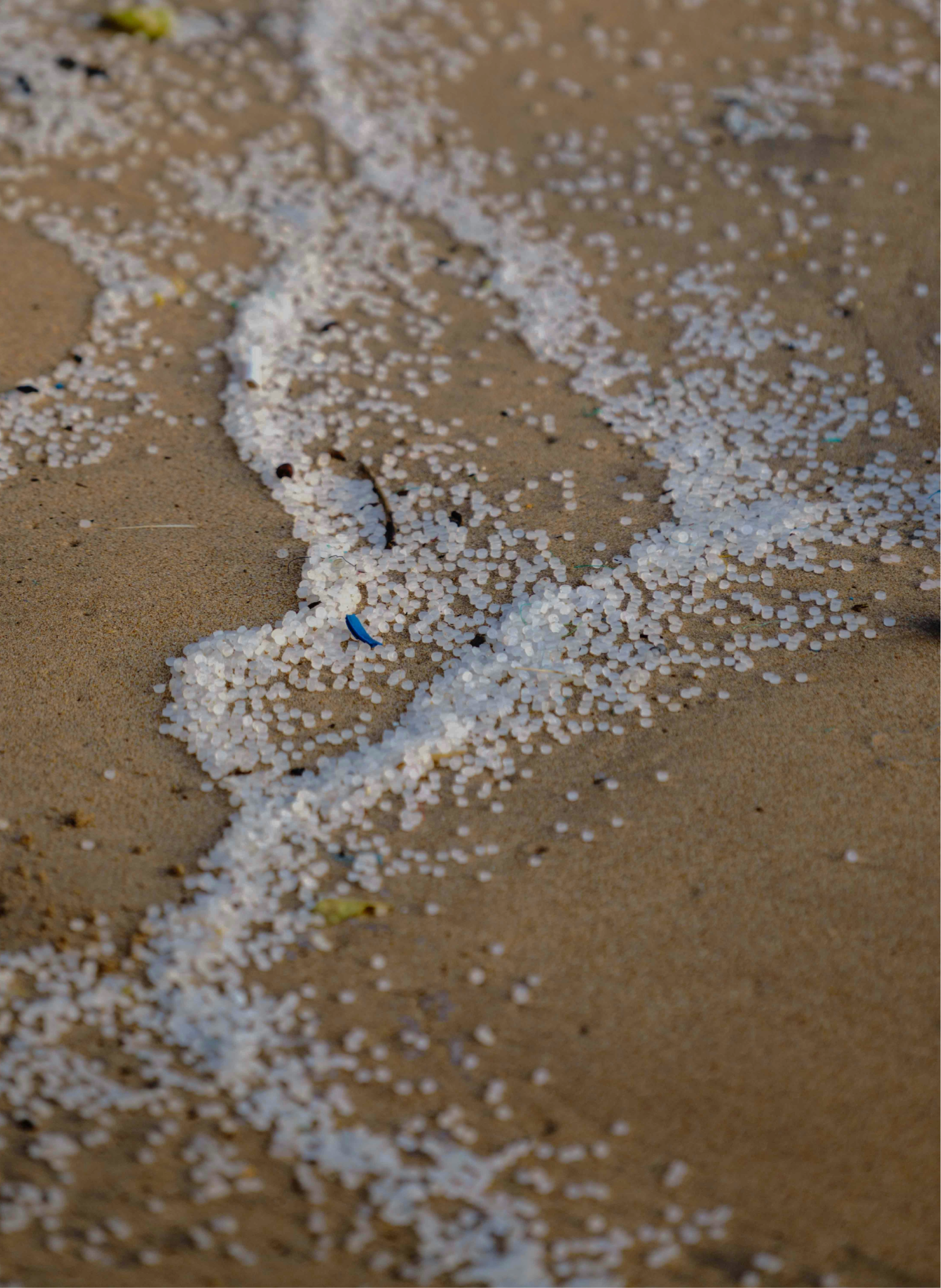
MICROPLASTICS
A report by the International Union for Conservation of Nature (IUCN) estimates that 35% of all microplastics present in the oceans come from the washing of synthetic fabrics such as polyester. A single wash cycle of polyester garments can release up to 700,000 plastic microfibres — invisible fibres that water treatment plants cannot fully retain, and which accumulate in marine sediments, in fish, and ultimately in our own bodies.

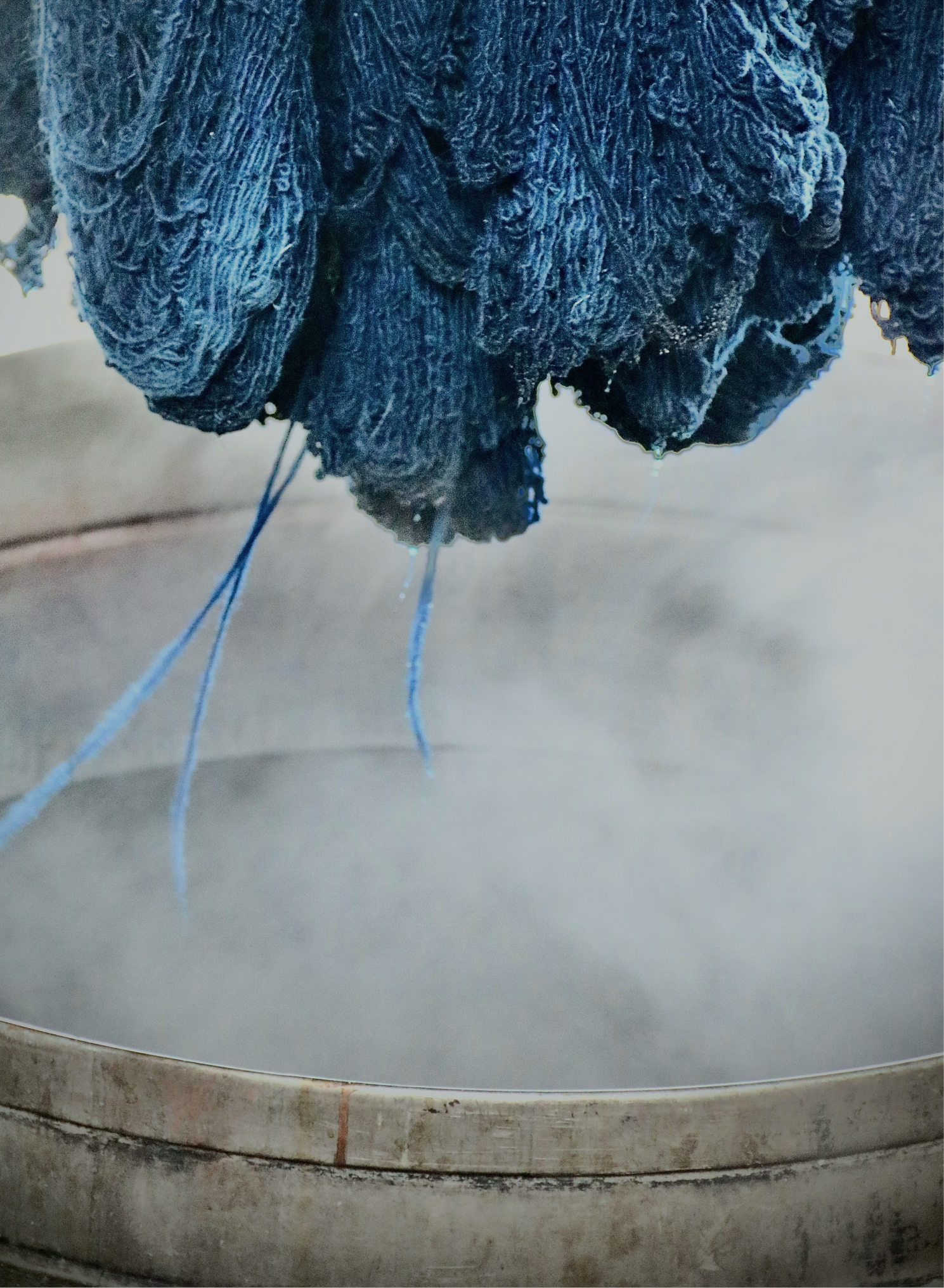
DYE POLLUTION
Textile dyeing is the second most polluting sector in the world for freshwater, and the fashion industry is responsible for 20% of global industrial wastewater, with approximately 200,000 tonnes of dyes released into waterways every year.
SYNTHETIC FIBRES AND PETROLEUM
Every polyester garment is, in effect, a derivative of fossil fuels, whose extraction and combustion directly contributes to the warming and acidification of the oceans themselves.
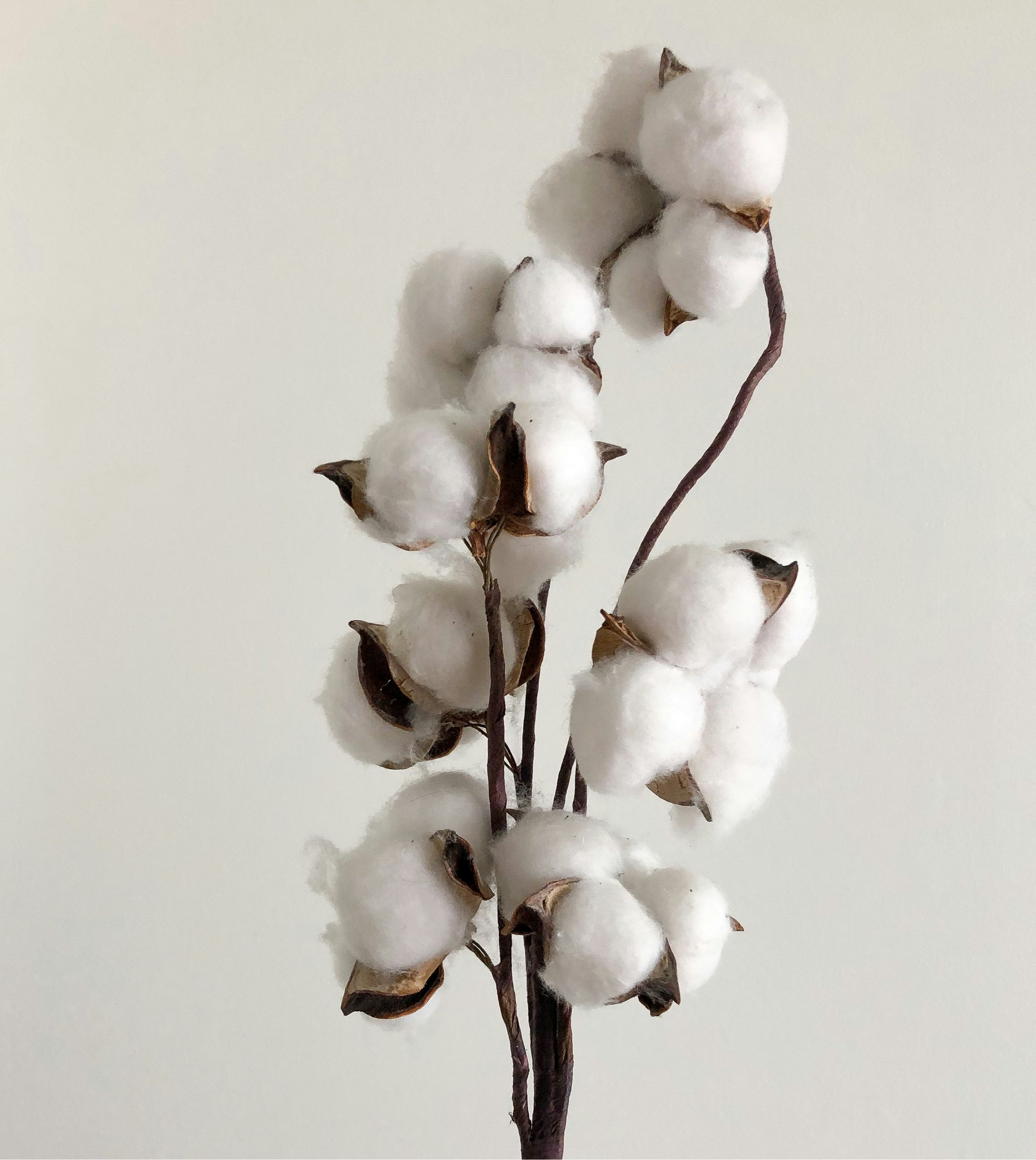
Choosing natural fibers over synthetic ones directly reduces the flow of microplastics. Choosing pieces designed to last means fewer washes, less waste, less pressure on resources. Choosing transparent and traceable Supply Chains means being able to know whether production respects the waterways that flow into the sea.

SOURCE:
European Parliament
IUCN
IPCC
NOAA
UN World Oceans Day
OceanCare
Seas At Risk
Earth.org

WORLDWIDE SHIPPING AND EASY RETURNS
Shipping is free within the EU for orders over €250. Size exchanges are free in the EU, and returns are quick and easy, with our customer service ready to assist you.

ORDER ONLINE AND PICK UP YOUR ORDER
Choose between in-store pickup or InPost 24/7 Locker & Pickup Points at checkout, and collect your order whenever and wherever it suits you best with no shipping costs for in-store pickup.

PAY A LITTLE AT A TIME
You can pay directly from our website in three monthly installments without interest, by selecting Scalapay at checkout and creating an account in just two minutes.

DIGITAL PRODUCT PASSPORT
You can always know who crafted your piece and where the raw material came from by going through its journey on every product page.

THE REPAIR PROGRAM
The Repair Program aims to make your Artknit’s pieces look as good as new, in order to reduce waste and extend your knits’ lifecycle.